Design Mistakes That Ruin Gravel Gardens in Los Angeles Heat
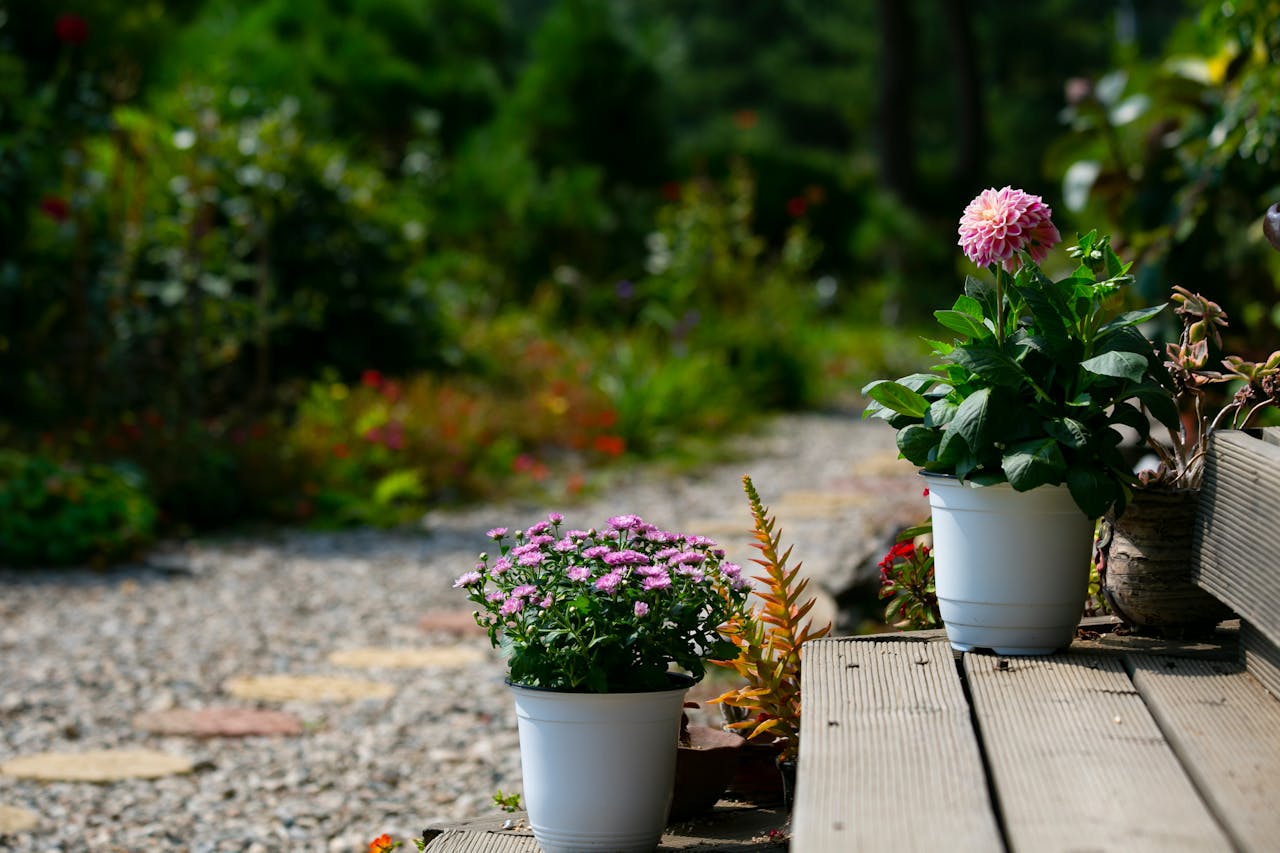
Beat the LA Heat with a Better Gravel Garden Plan
A gravel garden can look beautiful in Los Angeles, even when the sun is blazing and the days feel extra long. When it is planned well, gravel stays in place, paths stay clean, and plants stay cool enough to survive the harshest afternoons. When a few key design mistakes sneak in, though, things go wrong fast.
Many homeowners expect a low-maintenance yard and end up with scorched plants, loose rock that creeps into the street, and paths that turn dusty or muddy after a rare heavy rain. Our local climate has strong sun, long dry spells, and quick downpours that hit hard, so gravel garden ideas from cooler, wetter places do not always work here. In this guide, we will walk through the design mistakes that ruin gravel gardens in LA heat and share simple, realistic ways to avoid them so your space works with the weather, not against it.
Respecting LA Sun Angles and Microclimates
One of the biggest mistakes is ignoring how the sun moves across a yard. In Los Angeles, the afternoon and early evening sun from the west hits much harder than gentler morning light from the east. If you put delicate plants or dark-colored gravel in that full western exposure, they can scorch and feel hotter than they already are.
Hard surfaces also change the way heat works in your garden. Areas next to driveways, stucco walls, pool decks, or block walls become hot zones, with reflected light bouncing back onto your gravel and plants. These little pockets are microclimates, and they often need tougher plants and materials that can handle extra heat and glare.
When you plan your layout, think about:
- Which areas get direct afternoon sun and for how long
- Where light bounces off nearby walls, windows, or concrete
- Where you naturally feel the most heat when you walk outside
For the hottest zones, it usually helps to:
- Use sun-loving, drought-tolerant plants that can take bright light
- Choose lighter gravel colors to cut down on heat buildup and glare
- Add shade where you can, like a small tree or a pergola, near seating areas
Then use the parts of the yard that get partial shade, such as the east side of the house, for plants that like a break from strong afternoon sun.
Choosing the Right Gravel Size and Color
Another common mistake is using the wrong gravel size for the job. Very small gravel, like soft pea gravel or super fine crushed rock, often looks nice at first but can shift, rut, and feel squishy underfoot. In LA heat with regular foot traffic, it tends to move into piles, stick to shoes, and kick up dust.
Color matters too. Dark gravel, such as deep gray or black blends, absorbs more heat. In full sun this makes walking and sitting areas feel extra hot and can stress nearby plants. Lighter blends can brighten a small yard and help bounce some of that heat away, which makes the area more comfortable.
Good general guidelines:
- For main paths and patios, use mid-sized, angular gravel that locks together better
- For seating areas, consider lighter, cooler-toned rock to keep the surface more comfortable
- For planting zones, use a size that stays put but still lets water flow between the pieces
Whatever size and color you like, pairing gravel with the right base rock and edging helps it stay in place. Strong edging along beds, paths, and patios keeps your lines crisp and stops gravel from drifting where it does not belong.
Not Skipping Base Prep and Drainage
Many gravel gardens fail because the rock goes straight on top of native soil. It feels like a shortcut, but here that usually means sinking spots, muddy messes, and a flush of weeds once we get one good rain. Los Angeles rainstorms might be rare, but when they do come, water falls fast, and your gravel garden has to be ready.
A better approach is to think in layers:
- Remove existing grass or weeds instead of smothering them
- Shape the ground so water drains away from your house and sitting areas
- Install a compacted base layer, like a crushed rock or road base, under paths and patios
Weed barrier fabric can be helpful in some spaces, especially under walkways and low-plant areas, but it needs to be installed correctly so water can still drain, and so you can cut through it for future planting. For slopes, a mix of compacted base, stepped terraces, stabilizing grids, or well-placed boulders helps slow down runoff and keep gravel from sliding downhill.
For DIY homeowners, the depth of those layers and the type of base material make a big difference in how long the gravel garden lasts before it starts to settle or rut.
Avoiding Overcrowded Planting and English Garden Looks
Filling a gravel garden with lots of plants can feel like the right way to make it lush. In LA heat, that often backfires. When plants sit too close together in gravel, they trap heat, block airflow, and fight for limited water. The area can feel heavy and crowded, and it misses the airy, relaxed look that gravel gardens do best.
Another problem is copying designs from English or Pacific Northwest gardens. Those styles rely on regular rain, cool air, and moisture-loving plants. In Southern California, they often need constant watering to stay alive, which defeats the point of a low-water gravel garden.
Instead, think more about Mediterranean-style and drought-tolerant ideas:
- Leave space around each plant so air can move and roots can spread
- Choose low-water natives, succulents, and Mediterranean herbs that like dry soil
- Mix heights, like low groundcovers, medium shrubs, and a few taller accent plants
- Let the gravel show as part of the design instead of hiding every inch under foliage
When you use gravel as a visible design element, it frames plants, highlights their shapes, and keeps the whole garden feeling open and calm.
Choosing Plants That Match a True Low-Water Garden
A yard can look like a low-water design and still hide plants that drink a lot. Picking plants only by looks is a fast way to end up with hydrangeas, thirsty lawns, or tropical shrubs that struggle without heavy irrigation in LA heat. They often wilt, crisp at the edges, or need more water than you planned just to stay alive.
It helps to know what drought-tolerant really means. These plants can survive dry periods once their roots are established, if the soil drains well and the sun exposure is right. They are not no-water plants, but when paired with the right gravel, mulch, and layout, they keep your garden lower in maintenance.
Some ways to build a smart gravel garden mix:
- Use gravel around tough shrubs and perennials to keep soil from baking and to reduce splashing during rain
- Add decorative rock as accent areas, like around boulders or near entry paths
- Use mulch in planting pockets where extra moisture retention will help younger plants
- Consider quality turf alternatives in spaces where you still want a soft, green look without a full lawn
Thoughtful plant and material pairings bring color, form, and structure all summer without constant care. When you match gravel type, sun exposure, and plant water needs, your gravel garden becomes a space that handles Los Angeles heat with far less stress for you.
Get Started With Your Project Today
Ready to turn your inspiration into a low-maintenance, beautiful outdoor space? Explore our curated gravel garden ideas and let Mr. Pavers help you design a layout that fits your home, lifestyle, and budget. We work closely with you to choose the right materials, edging, and accents so your garden looks great and performs well year-round. If you are ready to discuss your project or schedule an on-site estimate, contact us today.