When Concrete Garden Blocks Beat Wood for Raised Beds
Build Longer-Lasting Raised Beds This Spring
Concrete garden blocks can completely change how your raised beds look and how long they last. If you garden in the Los Angeles area, late April is a sweet spot. There is still time to get beds built or upgraded before summer crops really take off.
Many home gardeners start with wood, because it feels familiar and easy. But more people are switching to garden concrete blocks for raised beds, and it is not just a style choice. Concrete often holds up better in our strong sun and regular watering, and it gives you more design options too.
We are going to walk through when concrete makes more sense than wood, what problems it helps you avoid, and how simple planning can turn your idea into a clean, solid space for growing veggies, herbs, and flowers.
Why Wood Raised Beds Fail Faster Than You Think
Wood seems like the natural pick for raised beds. You cut some boards, screw them together, fill with soil, and you are growing. But in our climate, those boards usually start to break down a lot sooner than people expect.
Here is what often happens with wood beds in Southern California:
- Sun dries and cracks boards, especially on the exposed top edge
- Sprinklers and drip lines keep the bottom of the boards damp
- Soil holds moisture against the wood day and night
That mix of dry heat and constant moisture speeds up rot, warping, and splitting, even if you start with treated lumber. After a little while, you may notice:
- Boards bowing or bulging out from soil pressure
- Screws or nails loosening and corners pulling apart
- Rough, splintered edges that catch on clothes or gloves
Pests can also be a problem. Damp wood can invite termites, carpenter ants, and mold. To slow that down, people end up sealing or painting the boards, touching up rough spots, and sometimes replacing whole sides.
The hard part is that this usually happens right when your soil is getting good. You have spent a few seasons adding compost, worms, and mulch, and now the bed walls are falling apart and you are forced to rebuild around your best soil.
How Garden Concrete Blocks Outlast and Outperform Wood
Garden concrete blocks solve many of those issues from the start. Concrete does not rot, burn, or attract termites, and it is not bothered by wet soil or constant sun. That makes it a strong match for hot, dry summers and occasional rainy days.
Compared with wood, garden concrete blocks often give you:
- Straighter walls that do not bow out over time
- Better support for deeper soil and strong root systems
- The chance to build taller beds without worrying about sagging
Because blocks do not swell or shrink with moisture, your corners tend to stay lined up and square. You do not have boards twisting out of shape or hardware popping loose. The structure feels solid under your hands when you lean in to plant or weed.
While every project is different, concrete beds are known for lasting a very long time. That means fewer rebuilds, less material going to waste, and more time actually growing instead of fixing.
Design Freedom and Function You Get with Concrete Blocks
Concrete garden blocks are like building bricks for your yard. You are not stuck with simple rectangles unless you want them. The modular shape opens up a lot of fun, useful layouts.
With blocks, it becomes much easier to:
- Curve beds along a fence or path
- Create terraces on a gentle slope
- Build multi-level beds that step up or down
- Add low seat walls along the edges
Because the block sizes are consistent, you get clean lines and a neat look, even if you are not a professional builder. Leveling each course is simpler when every piece matches the next.
Blocks also make it easier to add practical features, like:
- Short steps up to a higher bed
- A bench cap along one side for sitting or setting tools
- Wider tops that act as a ledge for pots or watering cans
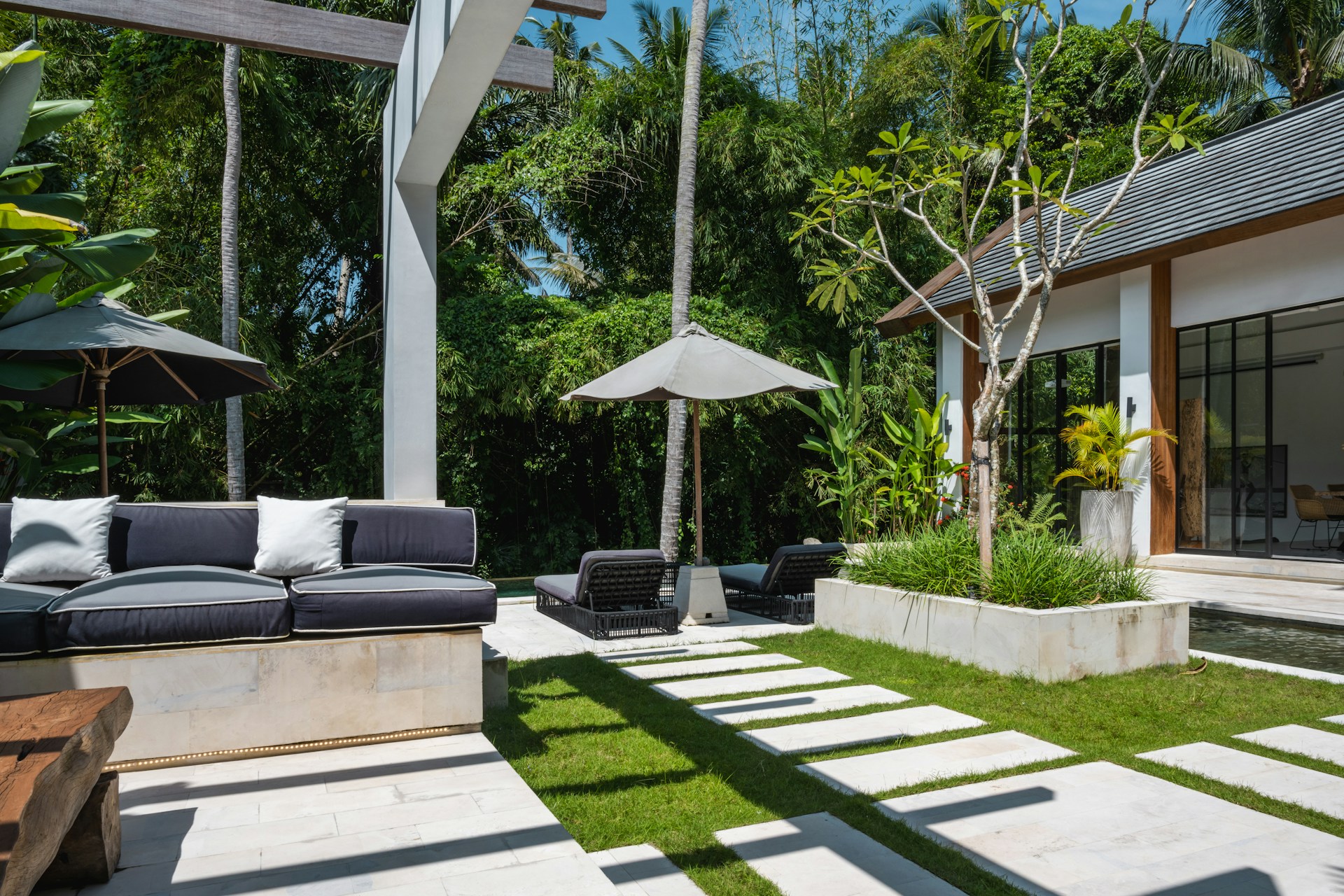
For style, today’s block shapes and caps can look modern, classic, or somewhere in between. When you pair them with stone or gravel around the beds, the whole yard can feel more finished, not just the growing area.
Safer, Cleaner Growing Spaces for Edibles and Flowers
Many gardeners feel unsure about growing food near old railroad ties or certain pressure-treated woods. Over time, those materials can raise questions about what is leaching into the soil right next to your tomatoes and greens.
Quality garden concrete blocks give you an option that is more inert and low maintenance. You are not reapplying sealers or worrying about flaking paint or decaying boards around your lettuce.
You can also keep the space around your beds much cleaner by pairing concrete walls with gravel or stone walkways. That helps:
- Reduce mud after watering or light rain
- Improve drainage around the beds
- Keep paths easier to walk, even with wet shoes
Taller concrete block beds can be a big help for comfort too. Less bending and kneeling makes gardening friendlier for kids, older adults, and anyone with a sore back or limited mobility. Working at a higher level can turn heavy chores into something that feels more like a calm, easy routine.
Simple Planning Tips Before You Buy Blocks and Soil
A little planning before you start stacking blocks makes everything smoother. Late April is a great time to step outside, look at your space, and sketch out where your raised beds should go.
Start by watching:
- Where the sun hits in the morning and afternoon
- How far your sprinklers or drip lines reach
- Any shade from walls, sheds, or trees
Once you have the spot picked, think about size. In most yards, it works well if beds are narrow enough to reach the middle from both sides without stepping on the soil. Decide how high you want the walls for comfort and root depth, then you can estimate:
- How many garden concrete blocks you will need per layer
- How many layers high you want each bed
- How much soil, mulch, gravel, or stone you will need to fill and surround the beds
Concrete beds pair nicely with other hardscape materials. Gravel can help with drainage around the base, stone can define paths between beds, and mulch on top of soil helps hold moisture and keep roots cooler during long, sunny days.
When you plan all of that together, you end up with a raised bed area that looks clean, stays strong, and is ready to grow season after season.
Get Started With Your Project Today
Transform your outdoor space with our durable, versatile garden concrete blocks that are designed to look great and last. At Mr. Pavers, we help you select the right styles and quantities so your garden project comes together smoothly. If you have questions or need guidance before you order, simply contact us and we will walk you through the next steps.