Smart Gravel Garden Design for Los Angeles Hillside Yards
Smart Gravel Gardens for Los Angeles Hillside Yards
Steep sunny hillsides in Los Angeles are tough. Soil slides, water runs straight off, and any lawn you plant struggles under the hot sun and watering rules. A smart gravel garden design turns that same slope into a calm, low-water retreat that actually works with the hill instead of fighting it.
We will walk through why gravel gardens are such a good fit for our local hills, how to plan a safe layout, which materials and plants belong together, and the basic steps to get a hillside gravel garden ready for long summer evenings.
Why Gravel Gardens Work So Well on LA Hillsides
Gravel gardens are a natural fit for our dry summers and bright sun. Instead of thirsty grass, you build a surface that protects the soil and supports drought-tolerant plants.
Here is why they shine in our climate:
- Gravel shades the soil, so water does not evaporate as fast
- It keeps roots cooler during heat waves
- It works nicely with drip irrigation or hand watering
- It lets rain soak in instead of slipping off a hard surface
On a hillside, erosion is always a concern. When you stack your gravel garden in layers, you slow water down and give it a place to go.
Good gravel garden design on a slope often includes:
- A compacted base rock layer to firm up paths and flat areas
- Decorative gravel on top to protect the soil
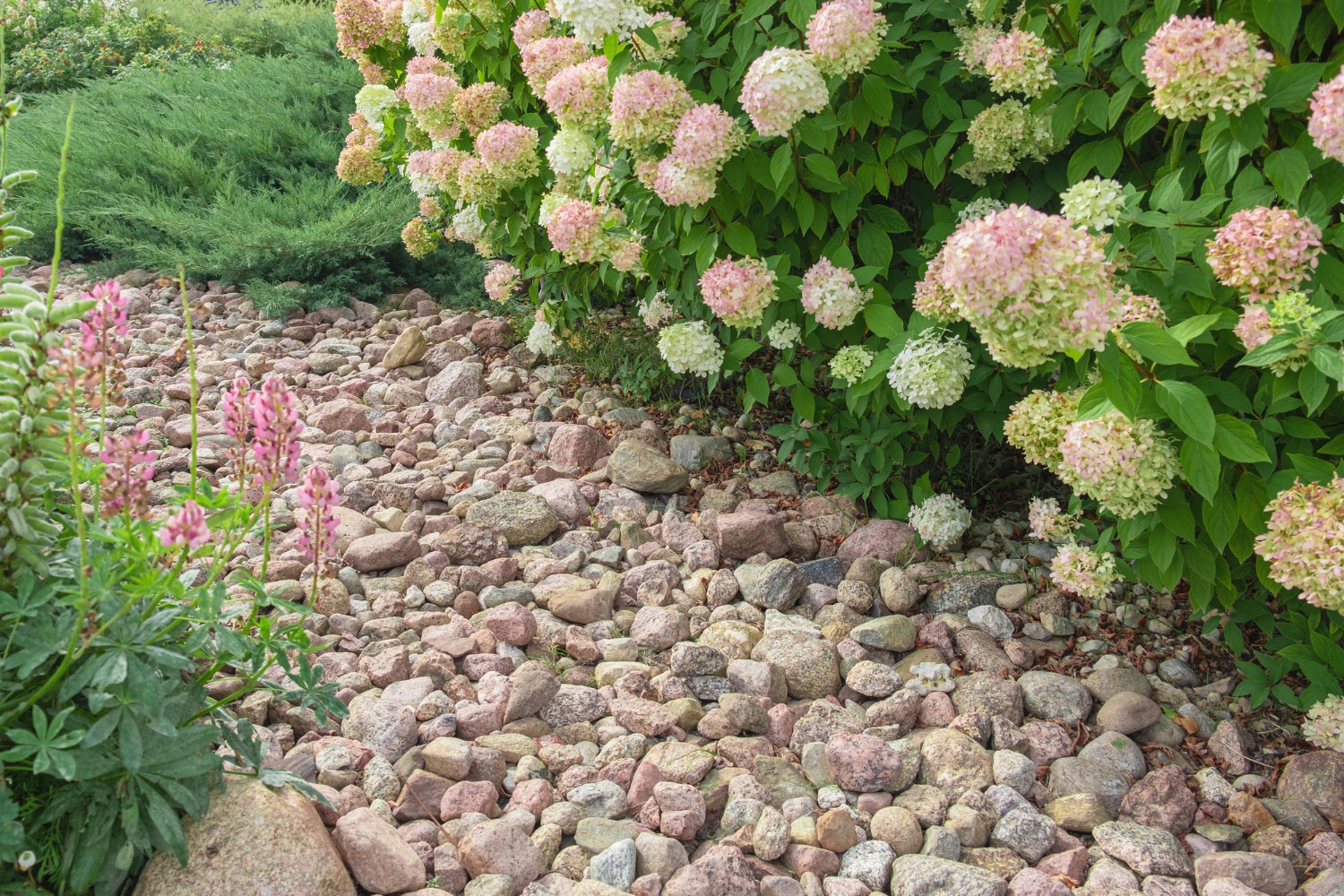
- Dry creek beds or shallow swales that guide water down the hill
- Rock features that help break up long runs of slope
The look is a big bonus too. Gravel gardens feel clean and modern, with strong lines that work well beside stucco, wood, or glass. There is no mowing, less edging, and fewer spots for weeds to take over. Seasonal cleanups are mostly raking gravel back into place and pruning plants now and then.
Planning a Safe and Stylish Hillside Gravel Garden
Before picking colors or plants, you want to understand your slope. Stand in the yard and ask a few simple questions.
- How steep is it and where can you walk safely right now?
- Which areas get full sun most of the day?
- Where does water already flow when it rains?
If the hillside is very steep or crumbly, it may need extra support. Some slopes benefit from low retaining walls, large boulders set into the bank, or professional help to keep soil in place. Property lines and views also matter, especially in hill neighborhoods where you share sightlines with neighbors. On dry hills, many homeowners also plan for fire-wise spacing, leaving open gravel breaks between plant groups and keeping large plants away from structures.
When the slope feels safe, you can start thinking about layout. Gravel gardens do not have to be flat. They follow the land.
Many people like to include:
- Small terraces or landings that hold a bench or a couple of chairs
- Gentle switchback paths instead of one steep line up the hill
- Planting pockets cut into the slope at different heights
- Curved lines and staggered islands of plants to soften the view
Those curves do more than look nice. They help slow runoff and keep the eye moving, which makes even a compact hillside yard feel deeper and more inviting.
Choosing Gravel, Stone, and Plants That Work Together
The material mix is what turns a plain slope into a true gravel garden design. Each layer and feature has a job.
For the ground, there are three main stone choices:
- Base rock, a rough, compactable material that forms a strong foundation under paths and seating areas
- Decomposed granite (DG), which packs into a firm but natural surface for walking zones
- Decorative gravel in sizes like pea gravel or 3/8- to 3/4-inch rock, for open areas and plant beds
On slopes, angular stone usually gives better traction and is less likely to roll downhill than very rounded rock. Color matters too. Warm tans, soft grays, and mixed earth tones tend to look good with Los Angeles light and common home finishes. Darker gravel can get hot under full sun, so think about where your feet will go.
Stone features keep it all in place. Boulders anchor the slope and create natural-looking breaks. Flagstone or pavers make solid steps and small patios. Edging materials, such as stone, steel, or concrete borders, help stop gravel from creeping down the hill over time and give paths a sharp, finished line.
Plants are the living part of the design, and on a hillside, roots are your best friend. Deep-rooted, drought-tolerant plants hold soil and thrive in gravel.
Good types to consider include:
- California native shrubs and perennials that like sun and dry summers
- Mediterranean herbs and flowers that handle heat and low water
- Ornamental grasses that move in the breeze and grip the slope
- Succulents that pop against rock and store water in their leaves
On dry hills, many homeowners also think about fire-wise choices. That can mean spacing plants so they are not one solid mass, keeping the area near buildings more open, and avoiding plants that build up a lot of dry, woody growth.
Gravel, base rock, pavers, boulders, and even mulch all work together to create a strong, layered system that looks good and lasts.
How a Hillside Gravel Garden Comes Together
Once the plan and materials are clear, the build follows a simple order. The work is physical and often needs skilled help, especially on steeper slopes.
First comes site prep. Old turf, weeds, and loose debris are cleared away. The slope is lightly reshaped where needed, carving in future terraces, paths, and planting pockets. This is also when drainage is fixed, adding shallow channels or dry creek features and checking that water moves away from structures.
Next are the layers for strength and drainage:
- Base rock is spread and compacted under paths and seating pads
- Landscape fabric is used where it helps hold gravel in place but is kept out of planting pockets that need direct soil contact
- The final layer of decorative gravel is raked in for even coverage and safe footing
Planting into gravel takes a careful hand. Holes are cut where plants will go, soil is amended only as needed, and then gravel is pulled back around the base of each plant for a tidy finish. Paver pads can be set for furniture, low-voltage lighting can line steps and key paths, and a few focal boulders or large containers can pull the design together.
Late spring and early summer are popular times to finish hardscape and let drought-tolerant plants settle their roots before the driest stretch of the year.
Keeping Your Hillside Gravel Garden Looking Great
Once the gravel garden is in, care is simple. A light seasonal routine keeps everything in shape.
A basic year-round rhythm might include:
- Raking gravel back where it belongs and topping up thin spots
- Pulling or spot-treating the few weeds that pop through
- Checking drainage after the first good rain of the season
- Refreshing mulch in select planting pockets for a softer look
As summer heat builds, deep but infrequent watering helps new plants grow strong roots. You can also watch for spots that seem stressed and adjust, maybe by adding a small shade plant nearby or choosing a tougher plant for that area next time.
During the rainy season, look for new erosion channels, shifted stones, or areas where runoff has moved gravel. Small fixes, like resetting a boulder or adding a touch more stone, keep the whole system working well.
Over time, many homeowners like to upgrade in small steps, adding a new seating nook, another set of stone steps, extra lighting, or an expanded planting area. Using consistent, pro-grade gravel and hardscape materials makes those changes easier since colors and textures match and are easy to find again.
Get Started With Your Project Today
Transform your outdoor space with a custom gravel garden design that fits your style, budget, and maintenance needs. At Mr. Pavers, we listen carefully to your goals and create a plan that brings lasting structure, color, and texture to your yard. If you are ready to explore ideas or schedule a consultation, simply contact us and we will walk you through the next steps.