Decoding Garden Bed Materials for Gravel Gardens in LA
Beat the LA Heat with Smarter Gravel Garden Beds
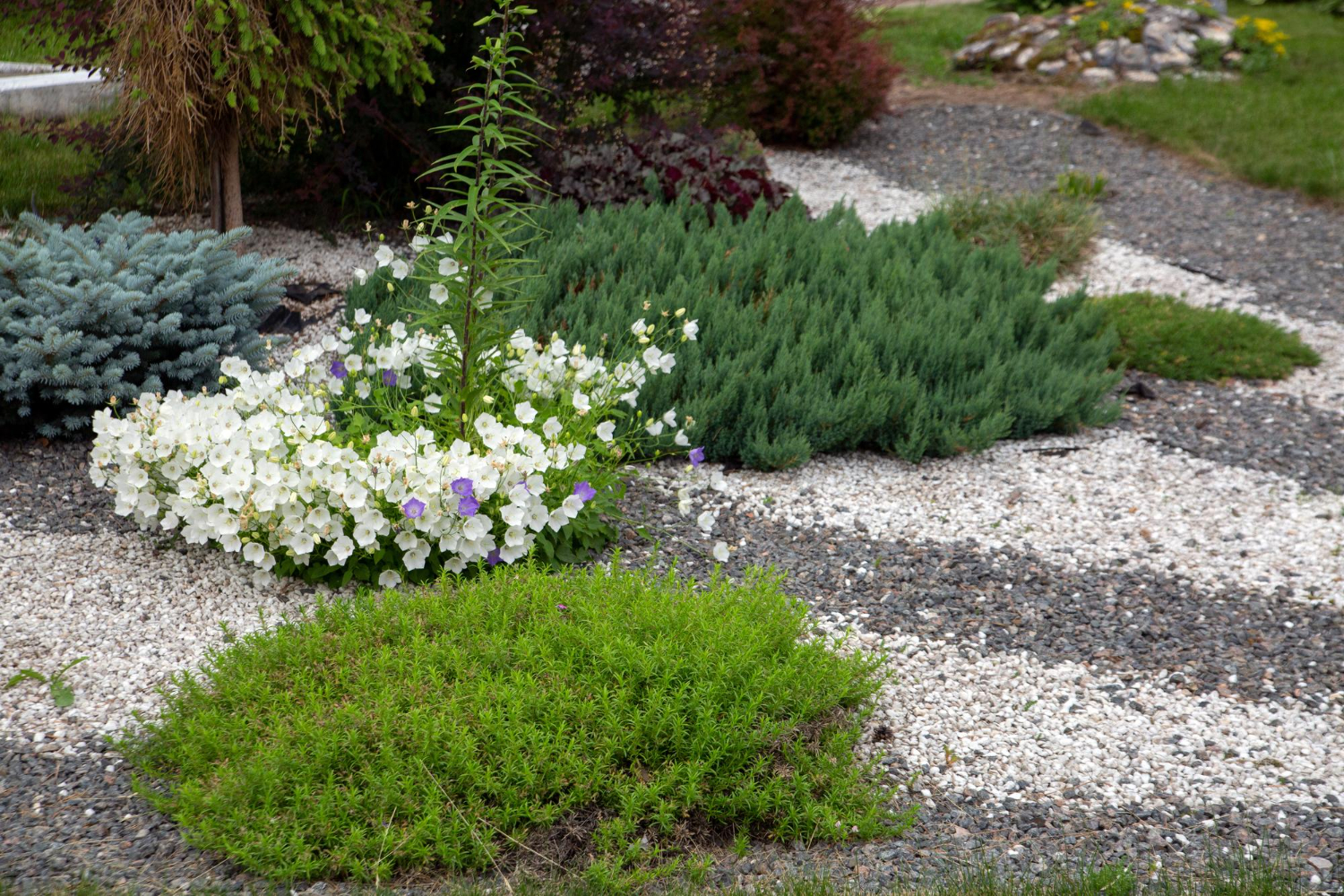
Gravel gardens can look amazing in Greater Los Angeles, but our heat can be rough on plants and materials. The sun beats down, hard surfaces bounce extra heat, and water rules make it tough to keep things green. The right garden bed materials can make the difference between crispy plants and a cool, thriving gravel garden.
When we talk about garden bed materials, we are really talking about how hot your soil gets, how long moisture stays, and how long your edging will last in the sun. Smart choices can keep roots cooler, cut down on watering, and keep your gravel where it belongs. We will walk through how different materials act in the heat, which ones pair well with gravel, and how to put everything together so your yard works with the LA climate instead of fighting it.
How LA Heat Impacts Your Garden Bed Design
Greater Los Angeles yards deal with intense sun, long dry spells, and lots of reflected heat from patios, driveways, and stucco walls. That heat does not just hit the leaves. It also soaks into soil and edging, then radiates into plant roots.
Here is what that means for your garden bed design:
- Heat and root stress: Dark, dense materials around your beds can act like a frying pan. They store heat during the day and release it into the evening, which can push root zones to stressful temperatures.
- Water retention vs drainage: Gravel gardens need fast drainage so roots do not rot. At the same time, the soil under that gravel still needs some organic matter to hold moisture through a long, hot afternoon.
- UV, expansion, and breakdown: Strong sun can cause some plastics to get brittle, metal borders to expand and contract, and certain woods to crack. Over time, that can lead to gaps, loose gravel, and warped bed lines.
When we plan a gravel garden in this kind of climate, we want materials that handle those daily temperature swings without warping, breaking, or cooking your plants.
Comparing Popular Garden Bed Materials for Gravel Gardens
Not every border or bed material behaves the same in LA heat. Each has trade-offs when it sits next to gravel and under full sun.
Wood options in hot, dry yards:
- Cedar and redwood: Naturally more resistant to decay than many softwoods, they handle dry conditions fairly well, but full sun can still cause some fading and checking over time.
- Pressure treated lumber: Designed to stand up to moisture in contact areas, but edges that face strong sun can still twist or cup if they are thin or not supported.
- Composite boards: Made to resist rot and insect activity, they can be a steadier choice for clean, modern lines around gravel, though darker colors may absorb more heat.
Masonry and stone edging:
- Concrete blocks: Stable and heavy, they stay put on flat or gently sloped sites and pair nicely with gravel paths and beds.
- Natural stone: Holds up under sun and foot traffic, and lighter colors tend to stay cooler than darker boulders or flagstone.
- Pavers: Very flexible for curves or straight lines, and when set on a proper base, they keep gravel and soil from washing out of beds.
Metal and plastic choices:
- Steel edging: Thin and strong, it creates crisp lines but can heat up fast. It works better when it is not directly touching root zones or when plants are more heat-tolerant.
- Aluminum edging: Lighter than steel, still conducts heat, so we usually keep it as a divider for gravel and paths, not as the main wall of a raised bed.
- High-density plastic: Holds up better to UV than cheap plastic, and it does not conduct heat like metal. It can be a practical choice for low edging when you like a more hidden border.
Best Garden Bed Materials for LA Gravel Gardens
For gravel-heavy yards in the LA area, some materials tend to perform better over time.
Cool, durable edge choices:
- Stone, concrete pavers, and blocks usually handle strong sun, foot traffic, and garden tools without much trouble.
- Lighter colored stone or pavers can help keep nearby soil a bit cooler compared to very dark materials.
- These materials work well on sloped yards where you need short retaining walls to keep gravel beds from sliding.
Smart mixes look good and work hard:
- Use stone or pavers for the main structure, like low walls, steps, and edging that needs to stay firm.
- Add composite or more rot-resistant wood for details, like top caps, short faces in front yards, or spots where you want a softer look.
- Mix textures so your yard feels inviting, not like a parking lot, while keeping the benefits of strong hardscape materials.
Soil and underlayment pairings:
- Under gravel, start with a compacted base-rock layer that allows drainage but keeps your surface stable.
- In planting zones, use a soil mix that has grit for drainage plus some compost to hold moisture without staying soggy.
- Add landscape fabric only where you want to block weeds or keep gravel from sinking, and avoid wrapping plant roots in it so they can breathe.
Building a Heat-Resilient Gravel Bed Step by Step
Planning matters just as much as materials when you work in LA heat. Before you move a single rock, study your yard.
Plan for sun and slope:
- Note where the afternoon sun hits the hardest and where shadows from walls or trees fall.
- Watch how water moves after you run irrigation or after rare rain. Look for spots where water sits or runs fast.
- Place gravel beds where they will not reflect too much heat onto windows or tight patios.
Layering for performance usually looks like this:
- Excavate and create a firm, graded base, adding base rock and compacting it well.
- Set your garden bed edging or low walls using stone, pavers, or blocks on that stable base.
- Fill planting zones with your soil mix, keeping it slightly lower than the top of the edging.
- Install weed-barrier only where you need it to separate gravel from soil, then spread your gravel on top.
Details that help everything last:
- Choose lighter colored gravel near plants to reduce surface heat.
- Set pavers and stone on a proper base instead of bare soil so they do not shift and crack your clean lines.
- Leave small joints or breaks in long runs of masonry next to beds so materials can expand and contract without popping.
Turn Your LA Yard Into a Cool Gravel Oasis
When garden bed materials match the LA climate, gravel gardens can stay cooler, cleaner, and easier to care for. The right mix of stone, pavers, and carefully chosen wood or edging helps keep roots protected, water where it belongs, and gravel from wandering into lawns or walkways.
Local suppliers that focus on pro-grade pavers, stone, gravel, turf, and related products make it much easier to pull all of this together. At Mr. Pavers, we work with Greater Los Angeles homeowners and contractors who want outdoor spaces that look good and handle the heat, from the base-layers you never see to the gravel and garden bed materials you enjoy every day.
Get Started With Your Project Today
Upgrade your landscape with durable, attractive solutions by choosing the right garden bed materials for your space. At Mr. Pavers, we help you match the right products to your design, budget, and long-term maintenance needs. If you are ready to plan your next project or have questions about materials, simply contact us and we will guide you through the next steps.