Top Construction Tools Every DIYer Needs
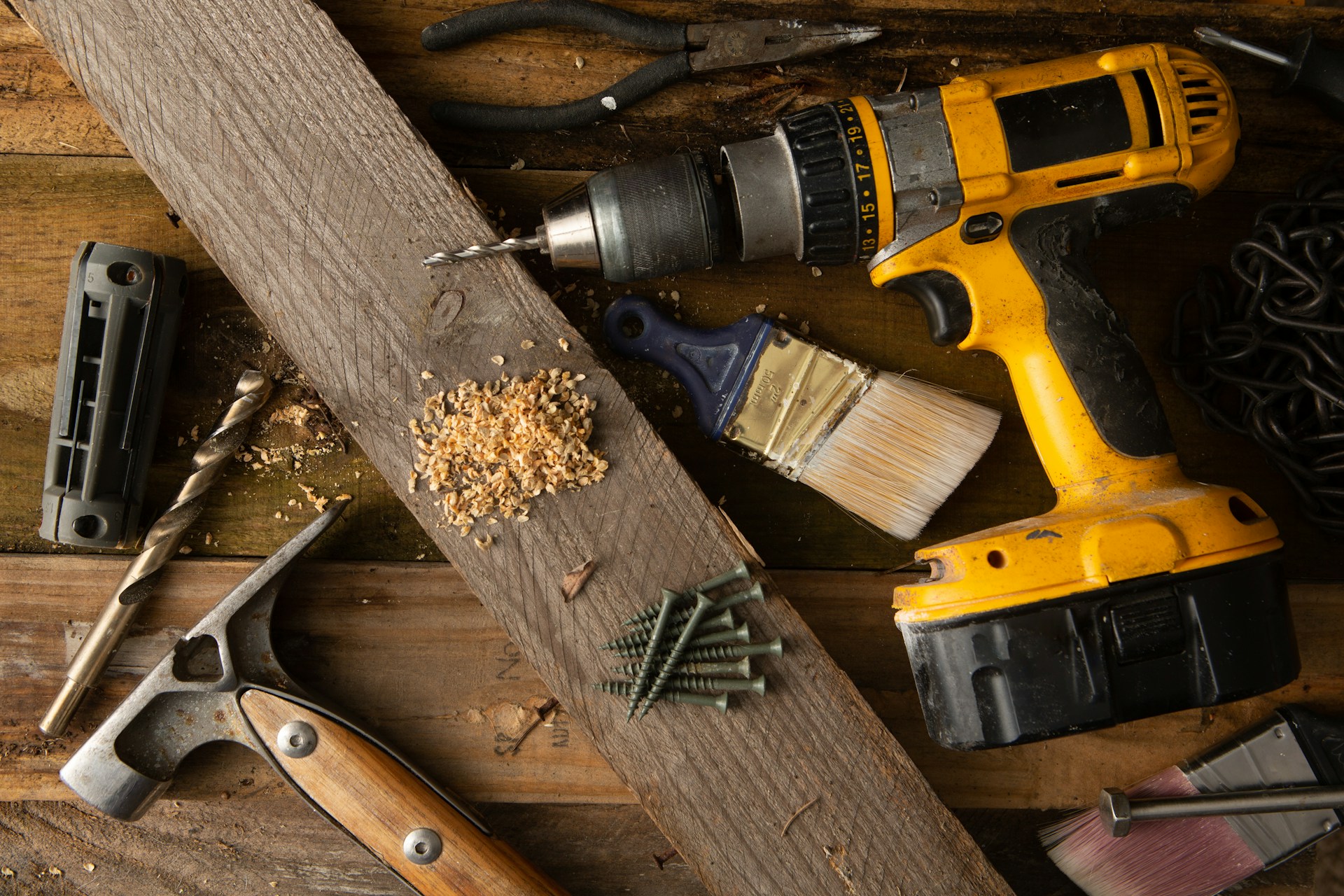
Getting into home improvement tasks or small builds can be a rewarding way to spend your weekends. Whether you’re planning to fix up an old bench, frame out a shed, or mount some shelving, having the right tools can make everything smoother. Without the proper gear, jobs take longer, mistakes happen more often, and the final result may not hold up the way you imagined. That’s why it helps to know what tools are worth keeping on hand, especially if you like to take on projects yourself.
You don’t need a garage full of expensive equipment to get good results. A few solid construction tools go a long way. When your toolkit includes the right basics, you can handle a wide mix of repairs and builds without running to the store every time something comes up. If you’re trying to stock up or just figure out what’s missing from your setup, here are a few of the must-haves worth grabbing before you take on your next project.
Hammer
A good hammer is one of the first tools most people reach for and for good reason. It’s used for far more than driving in nails. You might need it to take something apart, shape a piece of wood, or get nails out when things go sideways. It’s one of the most used tools in any belt.
Hammers come in different sizes and styles depending on the task:
1. Claw hammer: This is the standard hammer you’ll find in most households. It’s great for driving nails and pulling them out.
2. Ball peen hammer: Typically used in metalwork, it has a rounded end that helps when shaping metal or striking tools like a chisel.
3. Framing hammer: Heavier and longer than a standard hammer. Framing hammers are built for bigger jobs like rough carpentry or outdoor builds.
For small home projects, a claw hammer is usually enough. Look for one with a comfortable grip and a weight that feels right in your hand. Too light and it won’t drive well. Too heavy and you’ll get tired fast. Also, make sure the head is secure and doesn’t wiggle. If it does after use, it’s time to replace it.
Having a solid hammer on hand means you’re ready for basic home fixes without delay. Whether you’re adjusting a wooden gate outside or helping someone hang photos on a new wall, it’s always good to have nearby.
Screwdriver Set
Screwdrivers show up in almost every project and probably more often than you’d think. Whether you’re opening up an electrical fixture, assembling furniture, or tightening a door hinge, this tool plays a role nearly every time.
You’ll save yourself a lot of frustration by getting a kit that includes:
1. Phillips head: Recognized by the cross shape. Used for most screws around the house.
2. Flathead: Straight across, great for prying or loosening flat-slotted screws.
3. Torx and square drives: Less common but helpful for certain furniture or electronic devices.
4. Precision screwdrivers: Smaller tips for electronics, eyeglasses, or other detailed work.
Rather than getting individual screwdrivers one at a time, try to get a full set with a comfortable grip and magnetic tips. That magnetized end can really come in handy when working with tiny screws or reaching into tight spots. A set with interchangeable bits can also help save space while giving you more versatility.
This is one of those tools you’ll find yourself reaching for constantly. A solid screwdriver set may not seem exciting, but once you’ve used one to fix a loose drawer or swap out an old light switch, you’ll see how much easier it makes your projects.
Tape Measure
It’s surprising how often people skip using a tape measure, only to end up with crooked shelves or misfitting furniture. A tape measure might not look like much, but it plays a big role in making sure everything fits just right. Without it, planning cuts or ensuring the right amount of floor space becomes a guessing game. Regardless of whether you’re hanging a picture frame or designing a backyard deck, it’s a must-have.
When choosing a tape measure, several features can make it easier to work with:
1. Length: Opt for at least a 25-foot tape. It will cover most common tasks, both small and large.
2. Locking mechanism: Allows you to hold measurements securely without slipping.
3. Material: Look for a tape made with durable metal that won’t easily bend or snap.
4. Readability: Clear, bright markings ensure you can read measurements even in low light.
Using your tape measure well means more than just pulling it from point to point. For quick measurements, press it firmly against the surface. For longer spans, use the hook to latch onto the edge, freeing up your hands. Mastering these simple tips usually leads to cleaner, more professional results.
Power Drill
A power drill might just be the most versatile tool to have in your kit. Whether it’s for drilling holes or fastening screws quickly, the right drill saves time and effort. It’s the tool that bridges the gap between job site efficiency and home convenience.
When considering a power drill, take note of these features:
1. Cordless or corded: Cordless drills offer more mobility, especially in tight spaces, while corded models deliver consistent power through longer sessions.
2. Variable speed: Lets you control the drilling speed based on your task, helpful for precision.
3. Battery life: Key for cordless versions. Long battery life ensures you can work without constant interruptions.
For beginners, start by practicing on scrap materials to get a feel for how the drill handles. Safety always comes first, so use goggles and clear your work area of debris. A good example: using a power drill to install curtain rods. It quickly marks and drills into place, ensuring firm attachments for heavy drapes.
Utility Knife
A utility knife is another unsung hero in any toolkit. With its sharp, retractable blade, it handles everything from trimming carpet and cutting open boxes to scoring drywall and even light carving. Its utility is unmatched for precise and controlled cuts.
To make the most of a utility knife, keep the following in mind:
1. Blade replacement: Make sure it’s easy to swap out dull blades without extra tools.
2. Safety features: Look for knives with a lock or retractable blade for safe handling.
3. Ergonomic handle: A comfortable grip helps prevent slips and reduces hand fatigue during extended use.
Always extend only the bare minimum of blade needed for the job. Keep spare blades ready since sharp blades make cleaner cuts and reduce the chance of injury. Utility knives are great for things like shaping upholstery or carefully removing caulk around edges.
Construction Tools That Make DIY Projects Easier
Getting your hands on these reliable tools builds confidence in handling home tasks. Each one helps your work go smoother and your results look cleaner. When your toolkit is stocked with gear that does the job right, fixing or building something becomes less of a hassle and more of a success.
Elevate your DIY experience by equipping your toolkit with essential tools that deliver quality results. At Mr. Pavers, we understand that success in home projects relies on the right equipment. Explore our wide array of durable tools, perfectly suited to help you tackle any task with confidence. Let us support your next home improvement adventure with the perfect gear.