Smart Ways to Use Garden Stepping Stones in Tight Los Angeles Yards
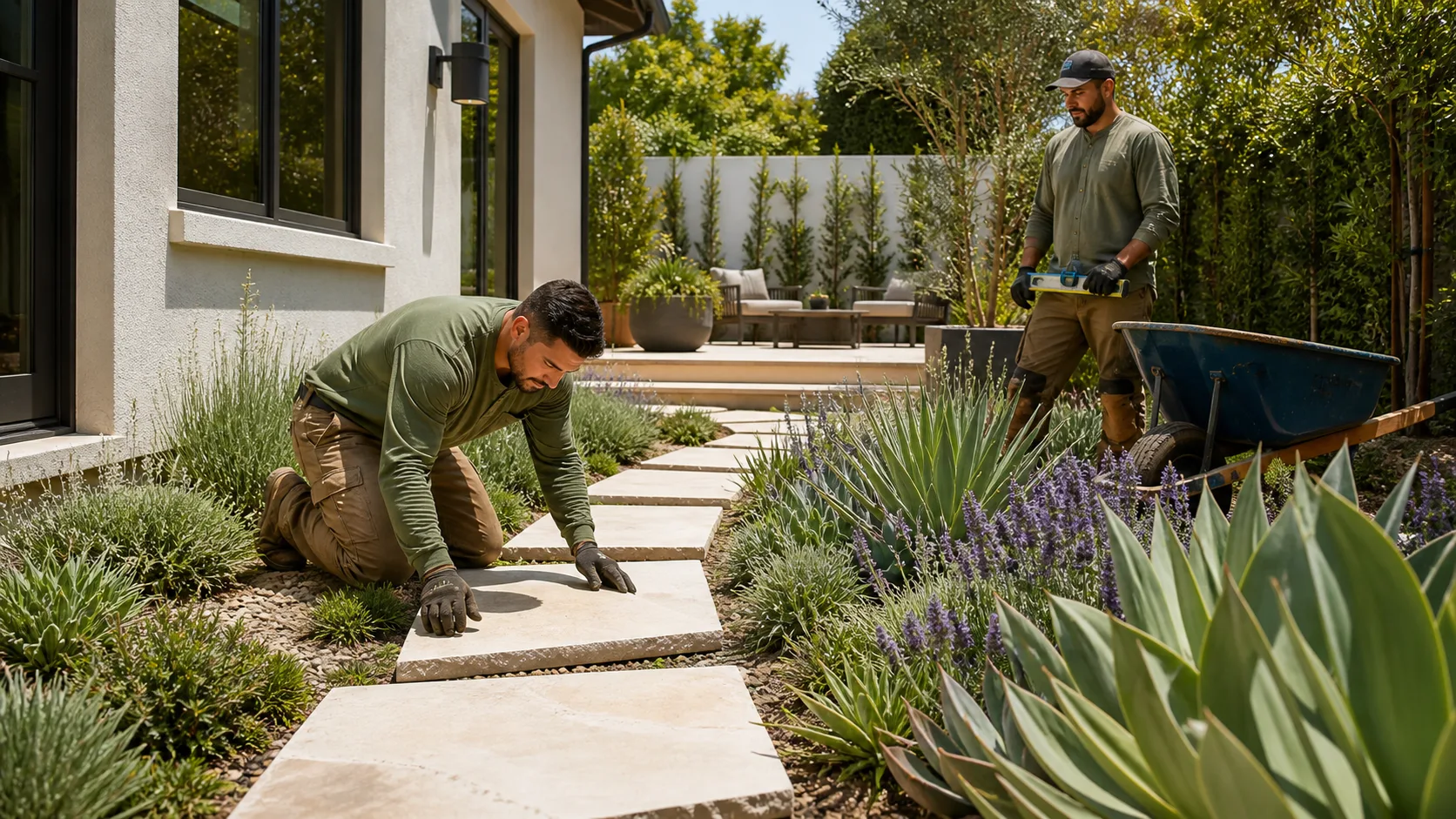
Transform Tight LA Yards with Smart Stepping Stone Design
Small Los Angeles yards do a lot of work. They hold grills, trash bins, side gates, ADUs, and often the only outdoor hangout spot you have. A simple garden stepping stone path can turn those cramped spaces into clean, walkable outdoor rooms that are actually pleasant to use. With the right layout, each stone helps guide movement, protect plants, and cut down on dusty or muddy patches.
In tight yards, every square foot matters. Stepping stones help you control where feet go, so plants, soil, and hardscape do not get wrecked. That matters in Los Angeles, where lots are compact, water is precious, and we spend time outside all year. With smart planning and the right materials, a small, squeezed-between-bungalows yard can feel organized, calm, and even a little stylish.
Plan Your Path First, Then Place Every Stone with Purpose
Before choosing any garden stepping stone, it helps to think about how you actually move through your yard. Start by standing at your back door and walking your normal routes. You might notice key paths like:
- From the back door to a seating area
- From the kitchen to the grill
- From the driveway or side gate to the yard
- From the house to the ADU or studio
- From the door to trash and recycling bins
In a tight yard, every stone should earn its place. Here are a few simple planning tips:
- Follow natural walking lines first, then adjust for looks
- Keep step distance comfy, usually a short, natural stride
- Choose smaller stones in narrow side yards so the path does not feel crowded
Curving paths can soften boxy, rectangular yards and make them feel more relaxed. A gentle curve around a planter or a corner of lawn feels more natural than a straight shot along a fence. Staggered stone patterns, instead of perfect rows, help the path blend into the garden. Try lining the path with plants or a simple border and aim the route toward a view, like a tree, a cool pot, or a small water feature, instead of straight at a fence or wall.
Use Stepping Stone Paths to Protect Plants and Soil
In small LA yards, planting beds are often squeezed into corners or along narrow strips. When people walk through those spots without a clear path, soil gets packed down and roots struggle. Stepping stones give feet a place to land so the soil around them stays loose and drains better.
Think about the parts of your yard you need to reach for regular care. You can:
- Set stones between shrubs so you can trim and water
- Thread a path through a veggie bed for harvest days
- Add a few stones in a groundcover area for quick access
This kind of layout helps keep plants safe from accidental stomping. Between the stones, water-friendly materials like gravel, decomposed granite, or mulch let rain soak in instead of run off. That supports drought-tolerant planting, which works well with Los Angeles watering rules and long dry spells. It also cuts down on mud, dust, and weeds, which makes your space easier to live with day to day.
Make Small Spaces Feel Bigger with Light, Color, and Texture
Tight side yards and narrow spaces between homes are common all over LA. These areas can feel dark and cramped, especially when they are shaded between tall walls. Lighter-colored stepping stones bounce more light around and can make those passages feel more open and safe to walk through.
The look of the stone matters too. You can mix textures and finishes to match the style of your home:
- Tumbled stone for a softer, rustic bungalow feel
- Clean concrete looks for modern ADUs or studios
- Large, sleek slabs for simple, low-clutter yards
- Slightly textured surfaces for better traction around water features
To make a small yard feel bigger, think about where the path leads the eye. You can point a garden stepping stone path to:
- A small fire pit or portable fire bowl
- A group of large planters or a mini herb garden
- A vertical trellis wall with vines or hanging pots
When the path leads to a clear “destination,” the whole space feels more thought out. Good focal points pull your eyes forward, which tricks the brain into reading the yard as larger and more inviting than it really is.
Build Multi-use Zones Around Simple Stepping Stone Layouts
One short path can support lots of activity if you plan it right. In a compact yard, your main stepping stone run can branch off into mini zones, such as:
- A grilling corner with room to stand and turn
- A single lounge chair or reading nook in a quiet spot
- A kids’ play patch with a small mat or sandbox
- A tiny raised-bed garden beside the fence
Think about how you use your yard during different times of year. In cooler evenings, you might want easy, dry access to a heater or a fire feature. During hotter months and school breaks, you may care more about a barefoot-friendly route to shade, a small splash pad, or a kiddie pool area.
One big benefit of stepping stone layouts is flexibility. If you keep the pattern simple and modular, it is easier to adjust over time. You can:
- Add new stones to reach a fresh seating area
- Shift a few stones if a tree grows or a new shed appears
- Remove a short branch of the path if a zone stops working for you
Because you are not pouring large slabs, changes usually do not require tearing out the entire yard surface.
Practical Tips for DIY-friendly, LA-Ready Installation
Tight LA yards often come with quirks like old roots, leftover concrete pieces, or odd slopes. Before setting any garden stepping stone, it helps to:
- Clear roots, rubble, and old edging in your path line
- Check how water currently drains during heavy rain
- Plan a path that does not trap water against your house
A basic installation usually calls for a stable base so each stone feels solid underfoot. That often means removing some soil, setting a compacted base layer, and then placing the stones at a height that matches nearby surfaces. Joints between stones can be filled with materials that suit your yard and lifestyle, like small gravel for drainage or softer fillers that are easier on pets and kids.
Some situations are better for a professional crew, like:
- Steep grades or tricky drainage issues
- Retaining walls or steps tied into the path
- Blending stepping stones with existing driveways or patios
In those cases, a pro can handle the layout and build, while you focus on style choices and how you want to use the yard.
Step Into Your New Yard with Help From Mr. Pavers
When you look at your own small yard, start simple. Sketch the space, mark the doors and gates, then draw basic lines where you need to walk. Note spots where plants need protection, where you want to sit, and where kids or guests tend to gather. A clear plan on paper makes it much easier to choose garden stepping stone sizes, shapes, and colors that fit your real life, not just a photo online.
At Mr. Pavers, we focus on job-ready hardscape and landscape materials for Los Angeles yards, both DIY and contractor projects. Because we work in this area, we understand the tight lots, drought-conscious planting, and year-round outdoor use that shape local yards. When you are ready, bring a few photos and rough measurements with you. We can help you look at in-stock stepping stones and complementary materials so you can turn a cramped outdoor corner into a walkable, good-looking space you are happy to use day after day.
Transform Your Garden Path Into A Beautiful Focal Point
Create a welcoming path that ties your whole landscape together with a carefully chosen garden stepping stone from Mr. Pavers. We offer durable, attractive options that are easy to integrate into your existing design so you can enjoy a polished look without complicated installation. If you have questions or need help choosing the right style or quantity, contact us and we will guide you through every step.