Preventing Weed Growth Between Pavers
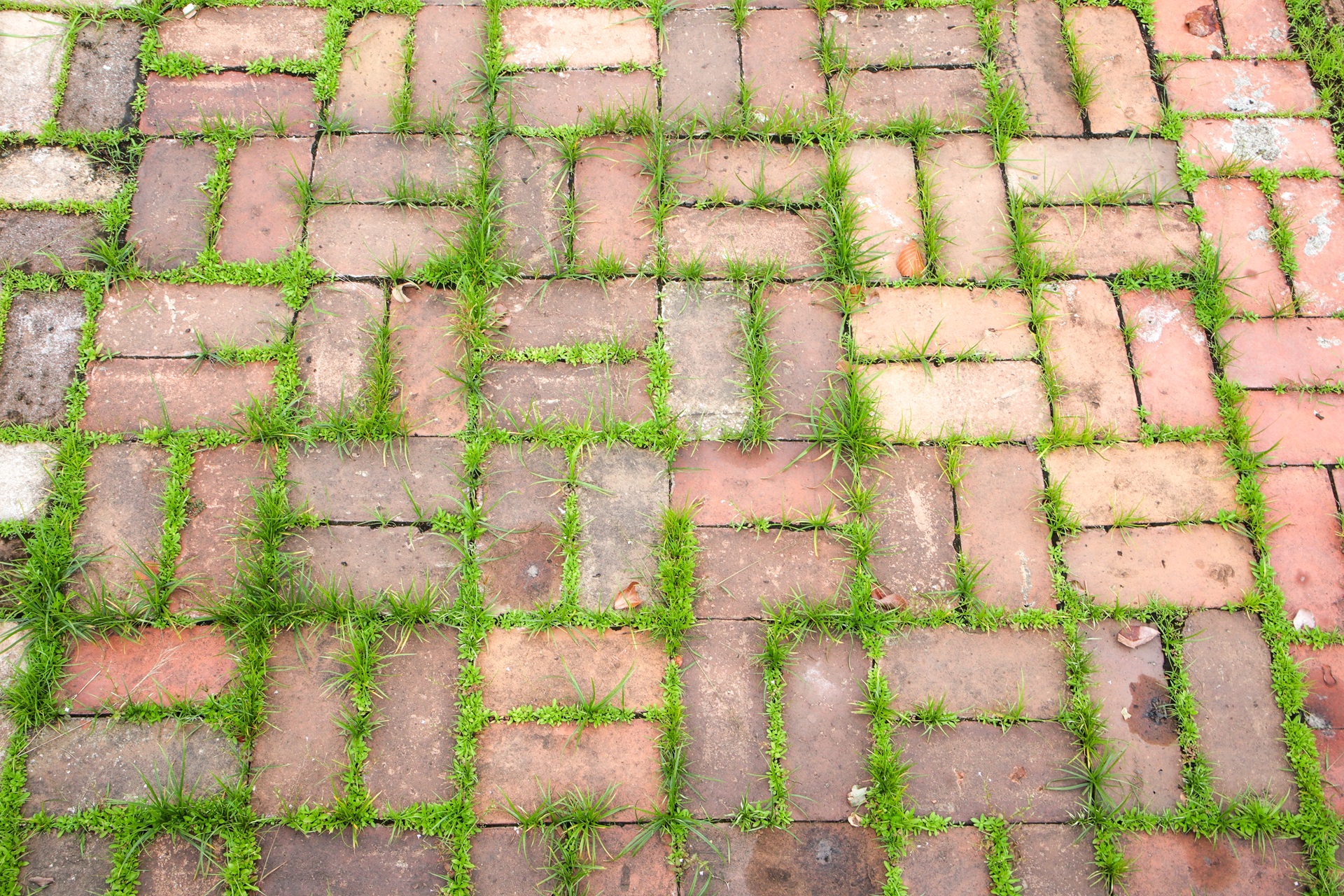
Weeds tend to show up where they’re not wanted, especially in the spaces between pavers. No matter how clean your patio or walkway looks after installation, those tiny gaps can turn into weed-friendly spots if not handled right. Once weeds take root between pavers, they can be tough to remove and even harder to keep away. Besides being annoying to look at, they can weaken the structure over time by shifting pavers or cracking mortar lines.
Brick units, when installed correctly, create beautiful and durable surfaces. But keeping their clean look means more than laying them down and walking away. The way they’re cared for makes a big difference in how well they hold up against weeds. Between routine upkeep, smart setup choices, and the right materials from the start, you can keep your brick units looking great without turning your weekend into a weed-pulling marathon.
Regular Cleaning And Maintenance Of Brick Units
Weed seeds don’t need much to settle in and start growing. Give them a bit of room, some settled dirt, and a little water and they’re off. That’s why keeping surfaces clear makes such a difference. It doesn’t have to be hard or time-consuming. A basic cleaning routine can help keep those open joints tidy and less welcoming to weeds.
Here are a few easy ways to stay ahead:
– Sweep often. Use a stiff-bristle broom to move loose dirt, leaves, and other stuff that might feed weed seeds.
– Rinse off surface dust. A quick hose-down now and then goes a long way in keeping dust and grime from settling between joints.
– Use a safe cleaner. If you spot mildew or grime buildup, grab a gentle, paver-safe cleaner. Avoid products that leave behind residue or damage the finish.
– Pressure wash with care. Use light settings and a wide-spray tip. Focus on surface grime, not blasting joint material out of place.
– Remove weeds early. If you spot small weeds starting to grow, yank them before the roots take hold. The longer they stay, the harder they are to remove cleanly.
Managing small problems before they grow into big ones is key. For example, if a few dry leaves pile up between brick units after a windy day, don’t let them sit. They trap moisture and create the perfect little pocket for weeds to move in. A broom, a few minutes of your time, and you’re back in control.
Proper Installation Techniques
A thoughtful setup helps stop weeds before they ever show up. It’s easy to focus on the visible part of the pavers, but what’s happening underneath matters just as much. Too much space between brick units or poor base prep gives weeds what they want—room to grow and weak spots to push through.
Here’s what solid installation should always include:
– Tight spacing. Keep the gaps between brick units narrow. This gives less space for weed seeds to settle and grow.
– Compact base material. Start with a crushed stone or gravel base that’s been compacted well so moisture drains fast and roots can’t dig in.
– Weed barrier fabric. Laying this underneath the base discourages deep-rooted weeds from growing up from below.
– Quality joint fill. After setting the bricks, fill the gaps carefully. Loose fill invites growth, while settled material helps lock things in.
The brick units you choose also play a role here. Uniform, well-cut pieces fit tighter and create fewer chances for weed-friendly spaces. On the flip side, uneven or poorly shaped bricks can lead to mismatched gaps that trap debris and hold moisture. Paying attention to these details upfront can make a big difference months or even years later.
Applying Polymeric Sand
Polymeric sand can be a powerhouse in the fight against weeds. This special type of sand contains additives that, when combined with water, create a binding agent. It locks the brick units together, forming a solid surface that weeds find hard to penetrate. Adding polymeric sand is a simple yet effective step in keeping your outdoor space neat.
Here’s how you can use polymeric sand to your advantage:
- Clean the area well. Make sure all of the gaps between your pavers are free of dirt, debris, and any existing weeds.
- Apply dry polymeric sand over the paving surface with a broom, ensuring it fills the gaps fully. Work it into the joints with sweeping motions.
- Remove any sand leftover on the surface to prevent it from sticking when it gets wet.
- Mist the area lightly with a garden hose. A light spray is key here to activate the binding agents without washing the sand out of the gaps.
- Allow the sand to dry for a full day without exposure to rain for a stronger bond.
Properly using polymeric sand strengthens the joints between the pavers and drastically reduces the space weeds need to root. Don’t rush it. Taking the time to apply it correctly pays off by keeping your patio or walkway pristine for a longer period.
Using Natural Or Chemical Weed Prevention Methods
When natural methods can’t keep up with stubborn weeds, sometimes it helps to have a few tricks up your sleeve. There are plenty of ways to discourage weeds naturally and chemically, offering choices to fit your gardening style.
For natural methods, vinegar comes in handy. Its acetic acid content can burn the weeds at their base:
– Mix vinegar with water in a spray bottle.
– Apply directly to weeds on a sunny day for the best effect.
– Repeat as needed until the weeds disappear.
Boiling water can also work wonders on small, isolated weeds. Carefully pour it onto the unwanted growth to wilt the weeds down to nothing. But remember, boiling water affects any plant life it touches, so aim with care.
In some cases, you might turn to herbicides for more stubborn adversaries. It’s important to choose products labeled for safety in outdoor spaces and follow directions carefully. By using these treatments sensibly and sparingly, you can balance weed control with environmental care.
Keeping Paver Joints Weed Free With These Methods
Combining these steps provides a solid approach for maintaining a beautiful outdoor space free from pesky weeds. Routine cleaning keeps dirt and seeds in check, while proper installation methods lay a strong foundation. Polymeric sand locks everything together, and strategic use of natural and chemical solutions tackles weeds that dare to emerge afterward.
By keeping up with a regular maintenance schedule and utilizing smart prevention tactics, you can enjoy your weed-free outdoor retreat. Engaging the right materials and methods not only saves time but also enhances the longevity and appearance of your brick units. With some effort on your part, those pavers will continue to stand strong and weed-free, enhancing your home’s curb appeal and offering a welcoming space for relaxation and enjoyment.
Transform your outdoor haven into a weed-free zone with the help of Mr. Pavers. Our high-quality brick units offer the durability and style you need to create a lasting and attractive space. By choosing materials that resist wear and smart installation techniques, you can enjoy a clean and inviting patio or walkway year-round. Let Mr. Pavers assist you in building an environment that enhances your home and stays pristine through the seasons.