Planning Your Outdoor Space With The Right Base Materials
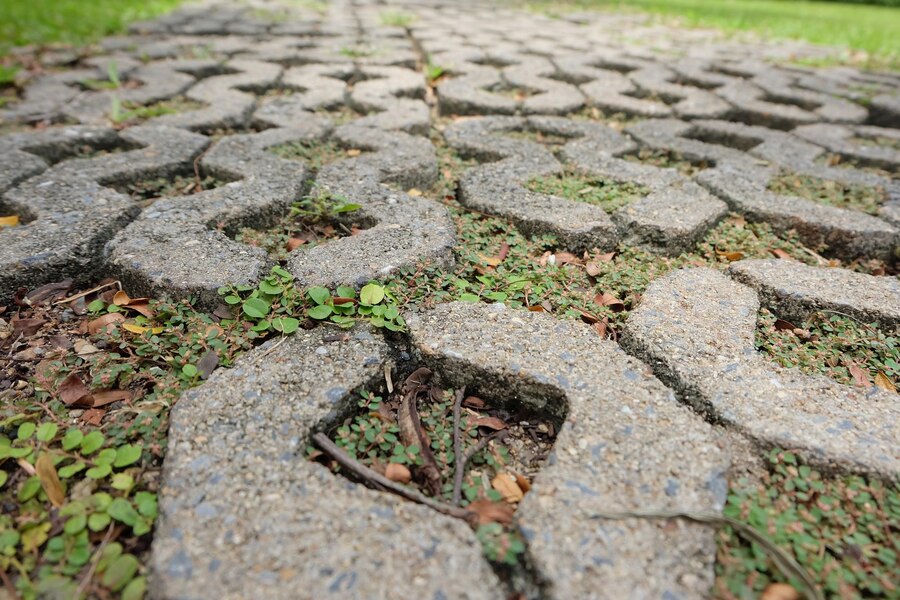
When it comes to patios, pathways, or driveways, the part you don’t see is what matters most. The top layer might show off your favorite pavers or stones, but what sits underneath is what really keeps it all in place. A solid base gives your outdoor space the strength to stand up to wear and weather. Without it, even the most beautiful design can shift, crack, or sink over time.
That’s where the right base materials come in. Choosing what goes under the surface can mean the difference between a project that lasts years and one that needs early repairs. Whether you’re working with sand, gravel, or crushed stone, each material has a job to do. One of the most useful materials is sand aggregate. It plays an important role in leveling and bonding layers together, giving your surface a clean, even look that holds up strong.
Understanding Base Materials
No matter the size of your project, every outdoor surface needs a solid start. Good base materials form the foundation of patios, walkways, driveways, and more. They help create a level structure and support everything that gets built on top.
There are a few main types of base materials used in most outdoor work:
– Crushed stone: Jagged pieces of stone that pack tightly and drain well. Used to build strength and depth in thicker base layers.
– Gravel: Rounder stones that are easier to spread and compact. Often used in pathways, parking areas, or under larger stone layers.
– Sand: Fine material used to fill space and smooth out uneven surfaces. Lays well under pavers and works great for leveling.
Each one serves a purpose depending on the needs of the space. Crushed stone might work better for driveways that carry heavier loads. A walkway, on the other hand, might only need a layer of sand and compacted gravel. When you match the base material to the job, you get better results and fewer problems down the road.
Using the wrong base or skipping it altogether can lead to sinking spots, puddles, or even loose stones. Nobody wants to fix the same area twice because the base wasn’t right the first time. Taking the time to pick the right mix of materials sets everything else up for success.
The Role Of Sand Aggregate
Sand aggregate is often overlooked, but it fills one of the most important roles in any outdoor surface. It acts like a final touch before the top layer goes on. Unlike bigger materials like stone or gravel, sand works its way into small gaps, helping everything settle more evenly.
Sand aggregate is used for:
– Leveling out the final layer under pavers or bricks
– Binding space between stones so they stay in place
– Helping water drain properly to avoid puddles or pooling
When sand is spread out and compacted, it stops movement from below while holding everything on top tight. It keeps pavers from shifting out of place and gives the surface a crisp and clean look. It also plays well with other materials. When laid over compacted gravel, for example, sand helps lock everything together.
Let’s say you’ve got a patio made from concrete pavers. Once your gravel base is set and compacted, adding a layer of sand helps you even out any high or low spots. This creates a smooth bed that supports each paver evenly. The result is a flat surface that looks sharp and stays solid. Without that final layer of sand, some pavers can settle unevenly or rock back and forth when walked on.
Even a thin layer of sand aggregate makes a big difference in both appearance and long-term performance. It supports drainage, improves settling, and helps the whole structure hold its shape.
Preparing Your Site
Getting the groundwork right before you add base materials is important to the durability of your project. Start by clearing the area, removing any debris, plants, or old materials. The next step is to measure and mark your project boundaries. Use stakes and strings to keep your outline precise and ensure you’re working within the desired area.
To set a solid foundation:
– Excavation: Dig down to the right depth for your project. Patios and walkways often need about 6 to 8 inches of base material. Driveways may require more.
– Manage Slope and Drainage: Slightly slope the foundation away from buildings to help water drain, reducing the risk of water pooling.
– Level the Ground: A level surface is key before laying your base materials. Use tools like a spirit level to check for any uneven spots. You’ll want to smooth them out to create a uniform surface.
– Compaction: Compacting the ground will help prevent future settling or movement. It makes sure the ground is firm before adding base materials.
Setting the scene properly sets you up for success, ensuring your base materials work their best.
Laying the Base Materials
Once your site is ready and level, it’s time to start layering the base materials. Different materials will be layered in specific orders to provide strength and support.
1. Start with the bottom layer. Typically, this involves spreading and compacting coarse materials like gravel or crushed stone. These materials offer drainage and stability, making them an ideal base that supports the weight of your project.
2. Next, introduce finer materials like sand aggregate. This acts like a cushion, filling gaps in the crushed stone and leveling out the surface. Spread an even layer of sand, checking your level as you go to maintain a flat platform.
3. Compact each layer thoroughly using a plate compactor. This helps to bind the materials together, reducing air pockets and creating a stable surface for pavers or stones.
Proper layering and compaction of your base materials build the strength and endurance your outdoor features need. This approach supports the top layers without shifting or cracking, even with years of foot traffic or heavy loads.
Transform Your Outdoor Space with the Right Base
Investing time and effort into choosing and laying the right base materials can make all the difference for your outdoor spaces. Get it right, and it allows patios, walkways, or driveways to look good and hold up for years. This careful planning helps prevent costly repairs and keeps your outdoor areas useful and attractive.
Whether preparing for heavy use or just wanting fewer worries down the road, the right base materials help you get there. By laying a strong base, you’re not just building a place to relax or entertain. You’re creating something that adds lasting value to your property and gives you peace of mind.
Ready to transform your outdoor space with a solid and durable foundation? Discover how the right use of sand can make all the difference in your project’s success. At Mr. Pavers, we provide expert guidance and top-quality materials to ensure your patios, walkways, and driveways stand the test of time. Trust us to help you build a beautiful and stable outdoor area that elevates your home.