Top Benefits Of Using Stone Material In Gardens
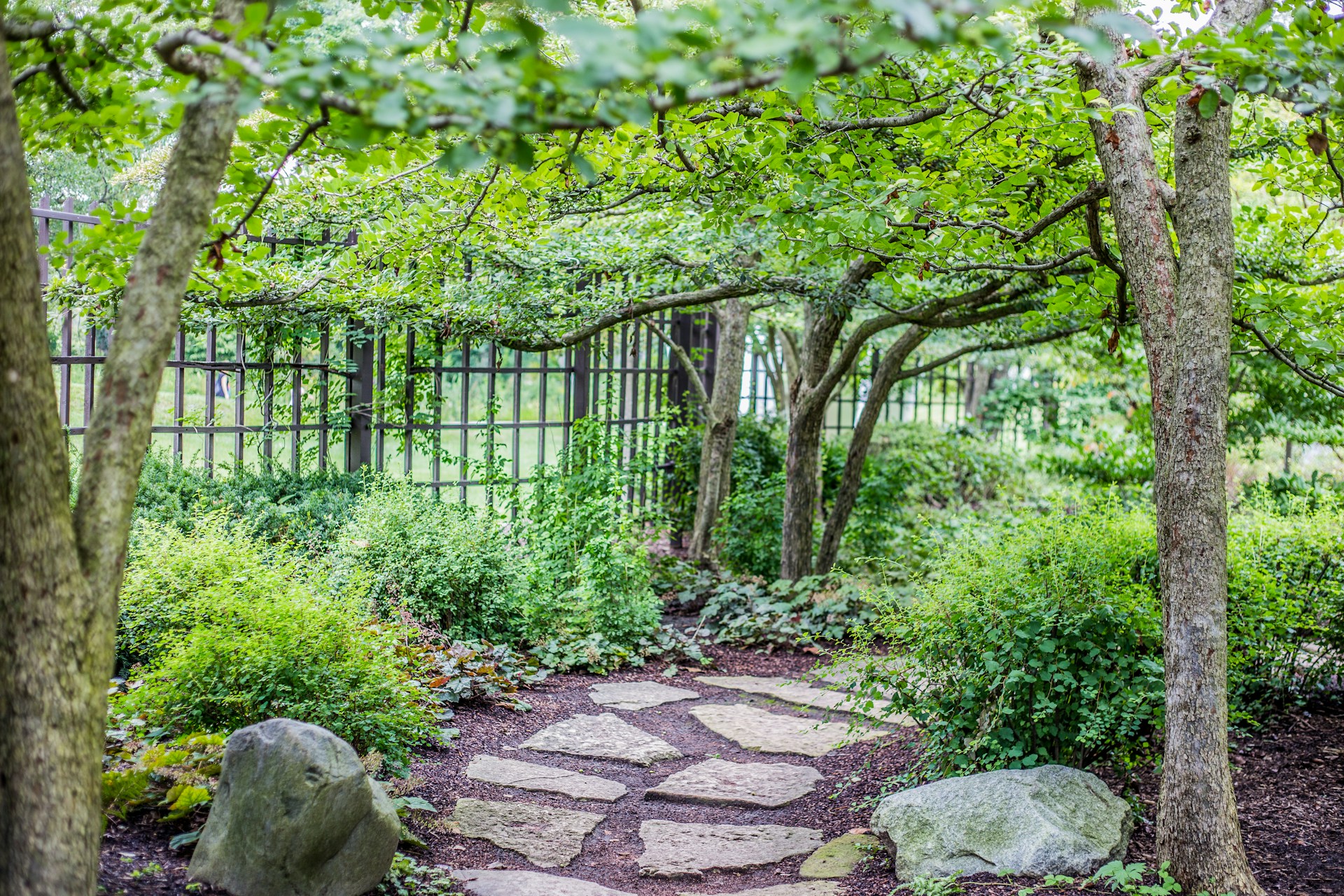
There’s a reason stone material continues to be a favorite choice in gardens of all sizes. Whether you’re looking to refresh a path, edge a flower bed, or add some structure to your space, stone brings both form and function. It blends in beautifully with natural surroundings while lasting through just about any weather. The range of textures and colors also means it pairs well with pretty much any garden style, from coastal and rustic to more modern designs.
Besides looking great, stone material also takes some of the work off your plate. It’s strong, doesn’t break down easily, and holds up better than things like wood or mulch in the long run. If your weekends are already packed and you want a landscape you don’t have to constantly maintain, stone might just be the answer. Let’s break down some of the biggest benefits it can bring to your garden space.
Enhancing Visual Appeal
Stone adds more than weight, it brings personality. Unlike basic plastic edging or fast-fading mulch, natural stone delivers a finished look that doesn’t feel artificial. The variety of sizes, shapes, and colors allows for big customization. Whether you’re building a winding garden path or highlighting a few standout plant beds, this material helps create a layout that pops.
A few standout ways to use stone to boost curb appeal:
– Garden Paths: Flagstone or pea gravel creates walkways with charm that invite people in while giving your space clear direction.
– Borders: Larger stones or stacked flats give a clean edge to garden beds, keeping soil in place and weeds out.
– Water Features: River rock and smooth pebbles are great for lining fountains, ponds, or dry stream beds to give flow to your layout.
– Accent Areas: Mix in decorative stone around succulents, cacti, or well-spaced perennials for contrast without crowding.
Each type of stone offers something different. Slate tends to have cooler tones and flatter textures, ideal for contemporary gardens. Limestone feels warmer and softens up more structured spaces. Cobblestone gives off that old-world charm and works great for stepping stone paths in cottage gardens.
One homeowner we worked with used black Mexican beach pebbles to surround vivid green hostas in a shady corner of her yard. The result was simple, low-maintenance, and clipped together perfectly. Not flashy, just really polished. That’s the kind of touch stone gives. Even when the plants take a back seat during colder months, stone keeps the structure and style in place all year long.
Durability and Longevity
Stone isn’t just for looks—it’s tough. Unlike wood that can rot or plastic edging that warps with heat, stone takes on weather and weight with ease. Rain, sun, foot traffic, and even snow don’t really faze it. That’s why stone paths don’t just look good out of the box, they age well without a whole lot of effort.
Compared to other garden materials, stone holds its shape better and doesn’t need constant replacement. While mulch breaks down or blows away after a season, stone stays where you put it. That means less time spent topping off beds or fixing broken borders. It also works well for heavy-use spots, like driveways or front entrances, where softer materials wouldn’t last.
To keep your stone areas in shape:
– Clear leaves, twigs, or dirt regularly with a broom or blower.
– Rinse off dust buildup, especially in high-traffic walkways.
– Make sure stones are set into a stable base like compacted gravel to prevent shifting.
While the upfront cost of stone can be more than other materials, the long-term value is hard to beat. Once it’s set and secure, your stone features require only light upkeep here and there. Perfect for anyone who wants their outdoor space to look great year after year, with less ongoing effort.
Environmental Benefits
Stone material also wins points for being sustainable. Many types of stone are sourced directly from nature with very little processing. This cuts down on energy use and chemical treatments, making it a friendlier option when building greener gardens. Beyond looks, stone is great for function too—it helps reduce erosion and creates natural barriers against heavy rainfall.
Another top benefit is stone’s help with water retention. In places where drought and water rules limit what you can do, keeping every drop of moisture matters. A layer of stone mulch, for example, holds in water longer than bare soil and keeps it from evaporating too fast. This helps plants stay hydrated with fewer top-offs from the hose, which is a win for both your schedule and your water bill.
Stone can even create spaces for local wildlife. Little critters like insects or frogs often make their home between the small crevices in stacked rocks or stone piles. That’s good news for the overall health of your garden. When you choose stone, you get more than structure—you’re also helping your local environment thrive.
Versatility in Use
Stone material shines best when it’s doing double duty—offering both beauty and function. It can shape the space into organized zones for play, cooking, or relaxing. Let’s look at the different ways stone fits naturally into your layout without feeling forced.
– Seating Areas: Add built-in stone benches or seating walls around a fire pit to create long-lasting spots to unwind.
– Steps and Retaining Walls: Use stone to move smoothly between levels in a sloped yard while adding texture and depth.
– Driveways and Patios: Choose larger stone slabs, pavers, or decorative gravel to build driveways or sitting areas that look finished and stay strong over time.
One client used stacked stone walls as a clever way to carve out flat bursts of color across a sloping backyard. The layered flower beds were easy to manage and drew the eye from one tier to the next. Instead of fighting the slope, the stone gave structure, leaving the garden looking tied together and thoughtfully built.
Elevate Your Garden with Stone Material from Mr. Pavers
Stone material brings an impressive mix of beauty and staying power to your yard. It settles neatly into any outdoor theme, from tidy ornamentals to natural greenscapes. Whether you’re lining a planting bed, creating walkways, or shaping a peaceful corner of your yard, stone does more than look good—it works hard behind the scenes.
By picking stone over more temporary choices, you’re giving your garden a strong foundation that lasts. It stands up to the elements, boosts visual interest, and lowers your long-term maintenance. And with so many types and textures to choose from, you’re sure to find one that fits right at home.
Transform your garden into a beautiful and enduring space with the right materials. Whether you’re plotting a new path, establishing sturdy borders, or simply elevating the overall design, choosing the right stone material can make all the difference. Turn to Mr. Pavers for guidance and a top-notch selection that meets your landscaping needs. It’s time to trust experts who understand both the art and science of a well-crafted outdoor space.