What Happens When Brick Wall Designs Trap Winter Damp
Winters in places like Jurupa Valley don’t always bring freezing temps, but the rain does tend to linger. This is when problems start showing up in outdoor walls that weren’t built to deal with moisture. If a brick wall design doesn’t allow water to move out and dry, the damp just sits there, locked in.
That trapped moisture might not look like a big deal at first. But over time, it can affect how the wall holds up, how it looks, and even how safe it is. When bricks and mortar soak in too much rain with no way to dry out, all sorts of issues can show up. Since 1993, Mr. Pavers in Jurupa Valley, California, has supplied bricks, concrete blocks, pavers, and other outdoor building materials for projects across Southern California, so we see how winter rain affects walls year after year. Let’s walk through what happens when winter damp gets stuck behind bricks and how certain design choices can make the problem worse.
Why Bricks and Wet Weather Don’t Mix Well
Bricks are strong, but they’re not waterproof. Without the right design, moisture can sneak in and stay put. Some setups keep water in instead of letting it drain or dry. Once that happens, bricks stay wet much longer than they should.
The biggest trouble spots tend to show up when:
• Bricks soak up water and don’t have a way to let it out
• Gaps are too tight or sealed so well that airflow can’t reach behind the wall
• Wet conditions repeat often, wearing down older materials little by little
Over time, that makes the wall weaker. It stays wetter for longer stretches, leaving less chance for it to fully dry before it rains again.
How Trapped Moisture Damages Brick Surfaces
When we leave wet bricks alone for too long, the signs show up clearly. Some changes are just cosmetic, but others go deeper and can lead to real damage.
Common signs of moisture damage include:
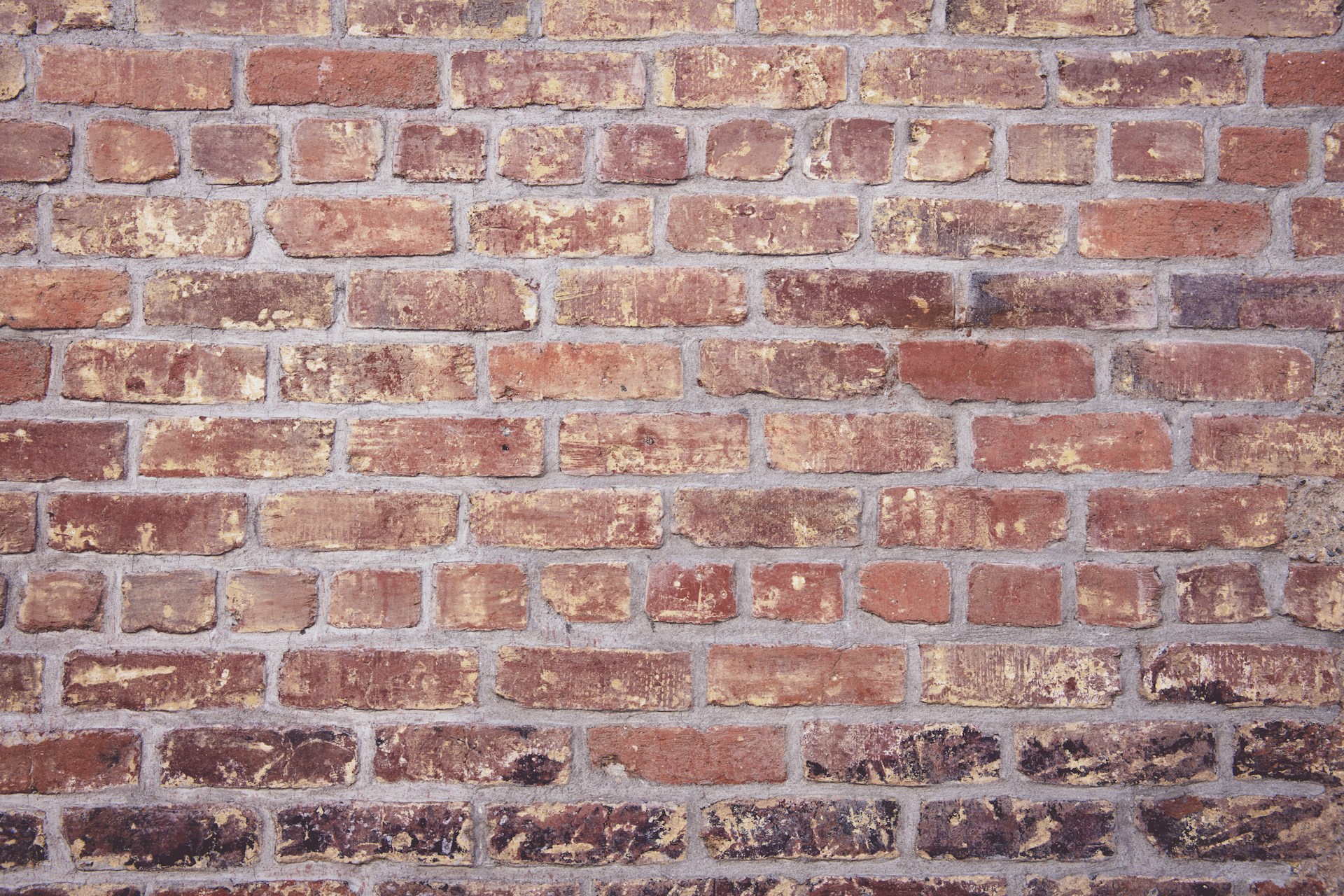
• Dark, blotchy streaks that never seem to dry
• Flaking surfaces or crumbling areas inside the wall
• Mortar that softens or cracks along the joints
• White powdery stains called efflorescence, caused by salt getting pushed out
These kinds of problems won’t always show up in the first season. But once they start, they often return each time the weather gets wet again.
Design Mistakes That Keep Rain from Escaping
Poor drainage is an easy problem to avoid, but it’s one we still see all the time. Some projects wall off the water completely or let it sit where it doesn’t belong. Over time, even a small amount of trapped rain can wear down the strongest materials.
Here are a few common building choices that tend to cause trouble:
• Plastics or thick paints that trap water inside with no ventilation
• Lack of weep holes or small gaps at the bottom of the wall
• Surface sealers that block off driest spots but trap the damp beneath
• Flat caps or leaning tops where water sits instead of draining off
Each of these might seem harmless when dry. But during wet winter months, they stop water from moving, and that’s when damage starts building.
Why Timing, Location, and Wall Use Make a Difference
Not every brick wall takes in water the same way. Where a wall sits and how it’s used can impact moisture levels more than the materials themselves. A dry backyard may be safer than a shaded corner that stays wet all winter.
Walls that tend to stay damp longer include:
• North-facing walls that get little sun, so they dry slower
• Freestanding garden walls that get hit by rain on both sides
• Walls near sprinkler zones or lawns that add extra runoff from nearby watering
We pay special attention to these details while laying out wall plans because they can help prevent constant exposure to damp conditions.
Lasting Looks Start With Smarter Choices
A good brick wall design uses spacing, airflow, and drainage as part of the structure. It’s not just about how it looks when it’s new. It’s about how it holds up after years of rain and heat cycles. When bricks are allowed to breathe and walls are built to shed water, they dry faster and avoid many problems altogether. At our Jurupa Valley yard, we stock blocks, brick, stone, gravel, and other wall materials in both bulk and smaller quantities, which makes it easier to plan drainage layers and caps that fit your design.
Design details that help prevent trapped moisture include:
• Capstones that angle slightly to move water off the surface
• Drains or weep gaps built into the base of the structure
• Using breathable layers behind the wall instead of plastic barriers
• Avoiding heavy sealers unless absolutely needed
Watching for early signs like white marks or soft mortar joints can keep bigger repair jobs from showing up later. Taking that time to consider how rain, shade, and materials interact can make all the difference.
Winter rain isn’t going anywhere, and bricks aren’t getting any drier on their own. We’ve found the best walls are the ones prepared to dry just as much as they’re built to stand strong. Better design leads to better results, especially when the weather doesn’t want to cooperate.
Planning a new project or refining an existing one? A well-thought-out approach to brick wall design makes all the difference in long-term durability. At Mr. Pavers, we’re dedicated to building walls that drain efficiently, stay dry, and stand strong through every season. Count on our decades of experience to help you select materials that look great and are built to last. Ready to get started or need expert advice on the details? Give us a call today.