Steps to Stop Concrete Corner Blocks from Separating in Spring
As winter gives way to spring, homeowners notice things shifting around the yard. Corners that looked tight and clean a few months ago now seem uneven or pulled apart. With milder temperatures and the ground still soft from heavy rain, outdoor hardscape features can change noticeably.
Concrete corner blocks are one of the first things to show movement. These blocks hold together walls, patios, or raised beds, and even small shifts in the ground can cause them to separate. By late winter, the base under them may not be as stable as it was in fall. Once spring rains start to roll in, any space in those corners tends to grow with each week.
Getting ahead of the issue means spotting what is causing the shift and knowing what to check before the problem spreads. We have supplied garden and landscaping materials to homeowners and contractors in Jurupa Valley, California, and the Southern California area for many years, so these seasonal shifts are a familiar sight.
Know Why Concrete Corner Blocks Start to Shift
It usually starts under the surface. After months of wet soil and cool weather, the ground begins to react. In places with heavy rain during winter months, the soil may hold moisture for weeks. Once the water soaks in, the base under outdoor blocks may begin to settle or wash away.
When this happens, corner blocks are affected more than straight rows because extra pressure builds up at the edges. As the base under part of the block drops, it creates a gap between the corners.
There are a few common reasons this starts happening:
• The ground was not packed firmly during installation
• Temperature swings make the materials or soil expand and contract
• The base layer was not deep enough and lost support over time
• Improper drainage causes water to push and pull fragile sections
Changes like these do not always show right away. With the arrival of spring, signs become clearer, such as gaps between the blocks, one side rising more than the other, or cracks forming where the blocks once fit tightly.
Check the Base Before Spring Starts
Before the weather warms too much, it is a good time to check how the base under the corners is holding. Even if the rest of the structure looks stable, corners tend to carry extra stress. Any shift in the bottom layer shows up fastest in these spots.
Begin by inspecting the area around the separated blocks. If one side is lower, it may mean the soil underneath has moved. You might also find loose dirt where the surface used to be firm or hear a hollow sound when tapping the block.
Here are a few things to look for when checking the base:
• Blocks that feel wobbly or no longer sit flat
• Gaps between the corner blocks that were not there before
• Sink spots in the soil near the structure’s edge
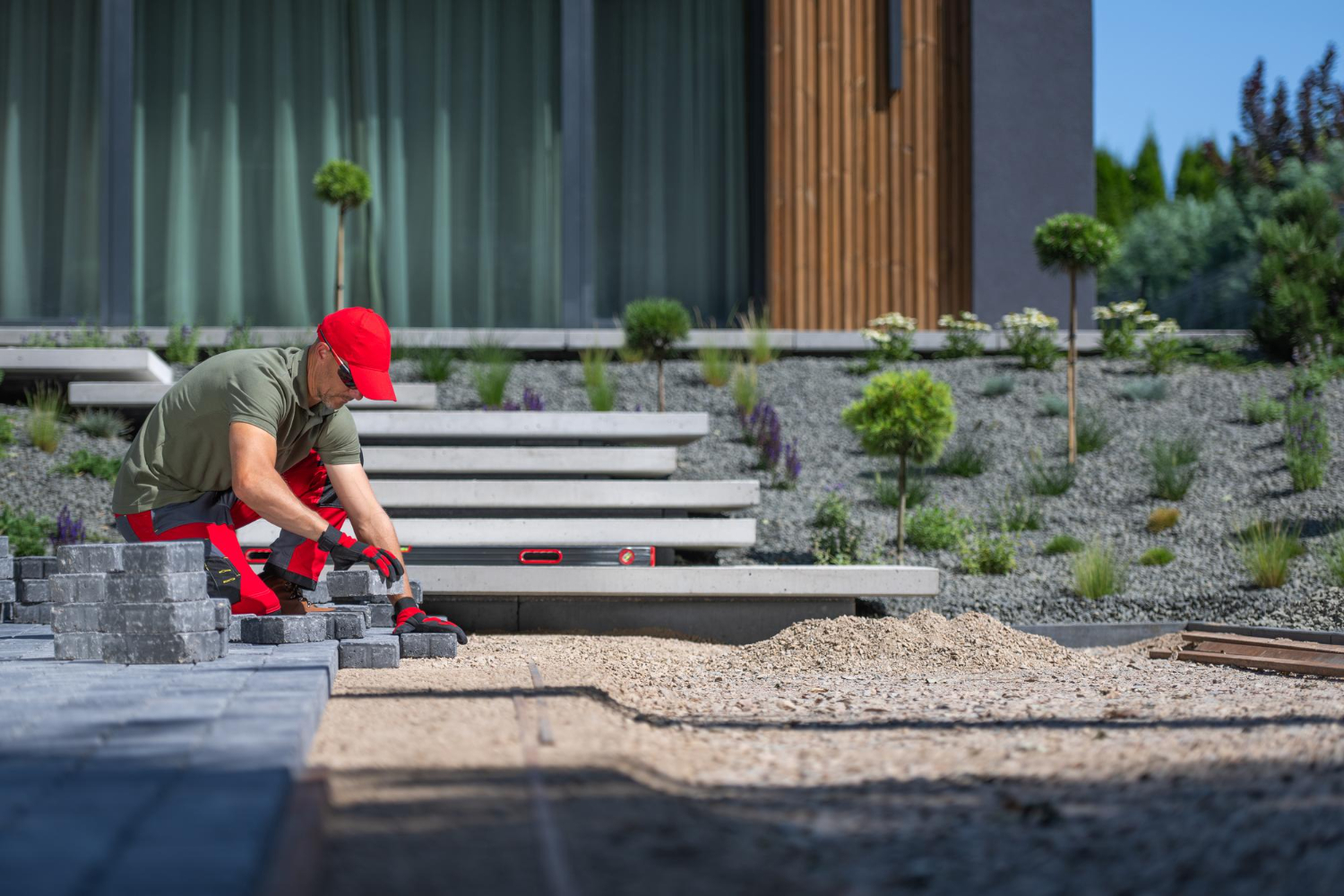
Blocks that have dropped or pulled away should be removed carefully so you can examine what lies beneath. If the base layer has thinned out or shows visible water buildup, it needs reinforcement. A packed layer of gravel or sand underneath offers support, and without it, corners will not stay put for long.
Use the Right Edge Restraints and Connectors
Corners carry more pressure than other parts of a wall or path. They need extra support to maintain their shape over time. When blocks start to pull away at the edges, it is usually a sign that they were not locked together properly from the start.
There are a few details we like to double-check:
• Are edge restraints in place and still secure? These hidden supports help stop movement from one block shifting against the next
• Is any adhesive bonding the blocks at the corners, especially in high-use areas like patios or stairs? Concrete adhesive works well here and helps fight small shifts
• Would connectors like clips or brackets add more hold to the area? These work well when corners join different materials or face extra stress
When corner blocks separate, the whole structure can lose alignment. Setting up supports to hold them firmly is worth the extra effort.
Help Water Flow Away from the Corners
Even with a strong base and proper connections, pooled water can slowly weaken a corner section. Water runoff from roofs, paths, or higher parts of the yard sometimes gathers in spots that do not drain well. It does not take heavy rain every day; remaining damp for too long can shift soil or wear away adhesives holding parts together.
Here are some fixes to help reduce the problem:
• Adjust the slope near the block corners so water moves away instead of gathering nearby
• Place gravel borders along the bottom edge so moisture can drain away without pooling
• Set a perforated pipe under the block line or alongside it if the spot often collects water during storms
Corners that sit at bends or outer edges are more likely to get hit with runoff. Giving water a better path can help stop future movement and keep everything from pulling apart again.
Build With Weather in Mind Next Time
Spring is a good time to think about how heavy rain, soil changes, and temperature swings affect block setups. After a season of wet weather, it becomes clear which areas held up and which did not.
When building or fixing corner sections, a few adjustments can improve long-term stability:
• Digging a deeper base with firmly packed materials can reduce future movement
• Adding layers that let water drain instead of holding onto it, such as coarse gravel, makes a difference
• Using interlocking blocks or dowel systems can hold corners tighter and avoid concentrated pressure
• Choosing adhesives or connectors built to last through seasonal changes helps maintain the setup
Corners must not only look tight, they must remain steady, whether after a spring storm or mid-summer heat.
Strong Corners Make Spring Easier
Spring weather can make weak spots more visible, but it also gives us the chance to catch small problems before they grow. If concrete corner blocks start shifting, the answer may be as simple as checking drainage or firming up the base. In most cases, it is about how things were built and supported, not just what the weather has done.
Keeping corner blocks stable means fewer repairs, fewer gaps, and a cleaner look from season to season. With thicker bases, proper restraints, and ways to control water, we can help keep things sturdy long after winter passes.
Noticing shifting or movement around hardscape edges this spring may indicate underlying issues that require a closer look. Small gaps or tilts in a corner setup can lead to bigger problems over time. The way you install and support concrete corner blocks can make all the difference in how well your project holds up through the seasons. At Mr. Pavers, we spot weak spots early to help prevent future damage, so give us a call today to get started.