How Landscape Block Placement Affects Spring Drainage
Spring usually brings longer daylight, greener lawns, and a little more rain than usual. What isn’t always as obvious is how that extra water travels across a yard. Some of it gets soaked up, but much of it starts moving, across patios, down slopes, and into lower areas. That’s where good planning can make a difference. At our Jurupa Valley, California, yard, we stock pavers, blocks, gravel, sand, and drainage rock that support these kinds of drainage-focused layouts.
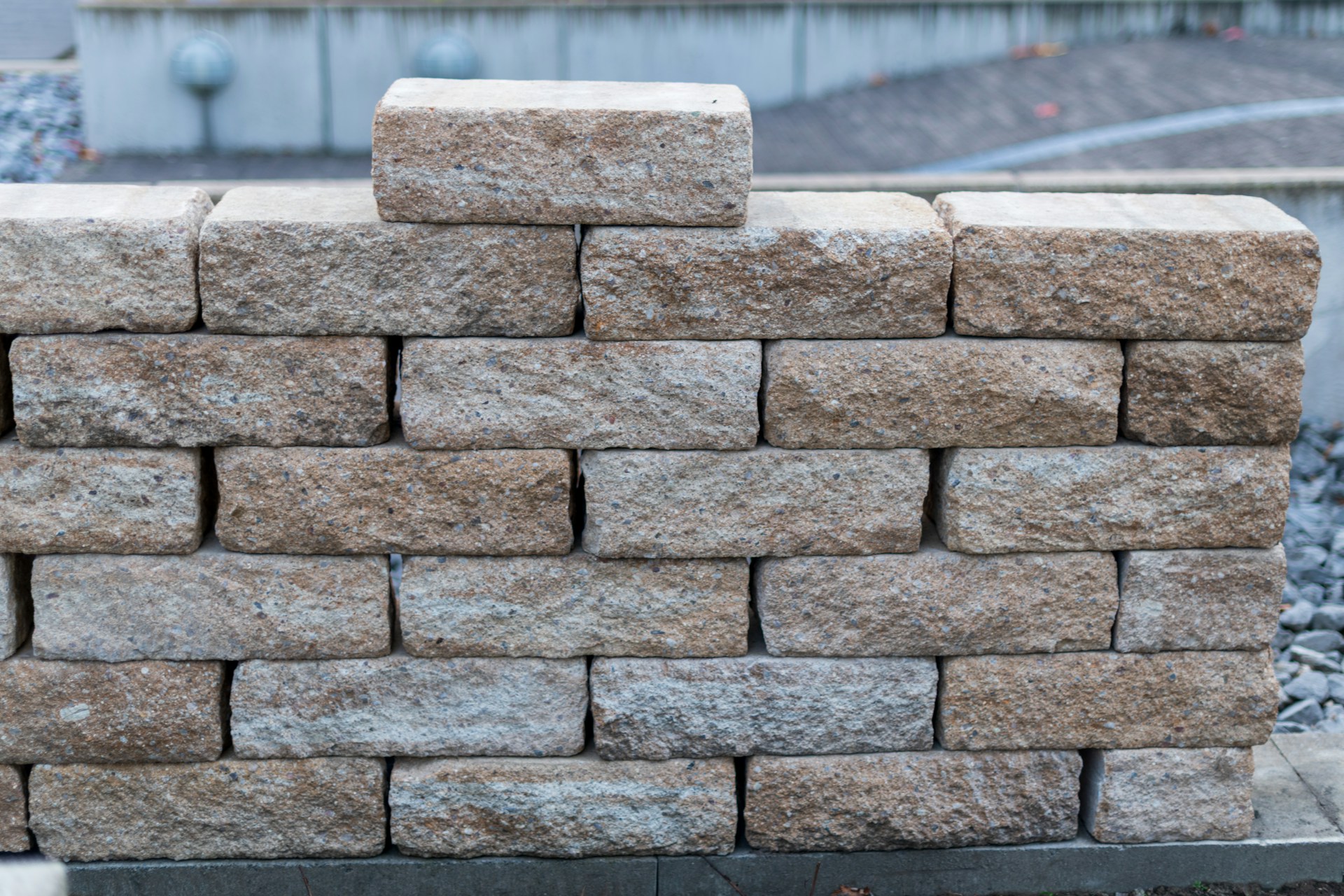
When building a wall or border with landscape block, most people think about shape, color, and height. Style matters, but so does structure. The layout of those blocks can help water move in healthy directions, or cause runoff problems that turn certain areas into mud traps. If you’re putting up new block edging or a small retaining wall this season, it helps to think about how water behaves after a spring rain. How those blocks go in the ground can affect drainage more than most people realize.
Why Water Movement Matters in Spring
Spring isn’t the same for everyone, but it almost always includes a spike in moisture. Some yards deal with lingering water from winter. Others get spring showers that test how well the soil drains. If your space has dips, sloped walkways, or tight corners between features, it’s more likely for water to collect in the wrong spots.
Hard surfaces like patios or driveways can make things worse. Water hits those areas and rolls off fast, looking for softer ground to sink into. Without proper direction, that water can start pushing against sheds, fences, or the side of the house.
Here are a few things that tend to happen when water doesn’t have a clear path:
- Soil erosion on slopes or near raised planters
- Pooling near building foundations or outdoor seating areas
- Shifting gravel or mulch from water rushing past too quickly
Thinking through where water will run, and how fast, lets you spot issues before they show.
How Block Placement Impacts Water Flow
When placing block borders or walls, it’s tempting to focus only on looks. But what goes under and behind those blocks is just as important as the part you see. Each block changes how that area holds or moves moisture. That’s why placement can either help water flow correctly, or trap it, causing pressure and soggy patches nearby.
Walls that don’t account for drainage tend to create barriers. If water pools on one side or has no way out, it can slowly seep under the structure, shifting soil, swelling wood, or cracking surfaces. Over time, even small adjustments in the ground can ripple up to the wall itself.
Some simple placements make a big difference. For instance:
- Leaving space for drainage behind stacked walls
- Adding small gaps between select blocks to act as weep points
- Building with a gentle tilt to encourage runoff to move away from key features
We’re not talking about large construction changes. These are small layout decisions that shape how water reacts when it hits your wall, especially during heavy rains.
Tips for Designing Drain-Friendly Block Walls
We’ve seen plenty of projects start strong, only to struggle when that first spring storm hits. It’s often the little things that make the biggest difference with block walls. A good design doesn’t stop water, it helps guide it away quietly.
Here’s how to plan a wall that drains well:
- Build with a slight angle so that water doesn’t pool against the wall
- Use a gravel base and backfill to support drainage from behind and underneath
- Choose permeable blocks or create points where water can pass through slowly
These steps don’t take much effort, but they extend the life of the structure and reduce cleanup later. It’s also easier to manage things in early spring before the soil hardens. Once the ground dries out, digging or re-setting blocks becomes trickier, especially in areas with clay-rich dirt or lots of tree roots. Many of the base and backfill materials needed for this work are available from Mr. Pavers in both bulk and smaller quantities, so you can match supply to the size of your project.
Common Mistakes That Lead to Drainage Problems
It’s easy to miss drainage trouble during the design stage. Things often look fine on paper, but the ground has its own way of changing over time. The biggest mistakes we see usually start with the base.
Avoid these problems by watching out for the following:
- Laying block walls flat on packed soil without a stable gravel layer underneath
- Skipping slope checks, which leads to water bunching up in unexpected places
- Forgetting to connect features. Garden beds, patios, and downspouts all impact water flow
One mistake tends to snowball into others. For example, if the wall blocks a natural runoff path, water finds another route, usually through softer soil. That soil shifts, putting pressure beneath the blocks, which leads to leaning or cracked lines in the layout. And when that happens, fixing it isn’t always as easy as it looks.
The key takeaway is this: test the slope before digging, look at how water enters and exits the yard, and pair your layout with smart placement. That helps stop drainage issues before they start.
Keeping Water Where You Want It All Season
We put time and energy into outdoor builds so they’ll last. That includes the hidden parts, the base layer under the blocks, the gravel behind a wall, and the spacing that allows water to keep moving instead of sitting still.
When we install a landscape block wall that supports solid drainage, we’re also protecting everything around it. Flower beds don’t get washed out. Walkways stay dry. Foundations stay clear of standing water. It takes a little planning to get there, but the rewards show up quickly, especially after the first few spring rains.
A strong layout works with the natural shape of the yard. Instead of forcing water to stop and sit, it gives it space to move and sink in slowly. And when that happens, the whole outdoor area feels solid, ready for the season ahead without all the mess.
Planning a project with block this spring means going beyond looks. Smart drainage starts with the right materials and careful setup. We recommend considering how each wall complements the overall layout of your yard, including soil type, slope, and nearby features. For guidance or materials for your next landscape block project, our team at Mr. Pavers is here to help, give us a call to get started.