Choosing Garden Path Materials for Hot, Dry Backyards

Create Cooler Garden Paths That Beat the Summer Heat
Garden paths in hot, dry backyards work harder than most people think. They take full sun, almost no rain, and constant traffic from kids, pets, and guests. If the wrong garden path materials are used, the surface can feel like a skillet, crack apart, or turn into dust and loose rock.
In warm areas across California and the Southwest, many homeowners want paths that stay cooler, handle drought, and still look good next to gravel, stone, or artificial turf. When we choose path materials with heat, comfort, and durability in mind, we can create walkways that feel inviting instead of off-limits on bright afternoons. We will compare common options and share simple design tips so your next project works better all year.
What Hot, Dry Backyards Need From a Garden Path
Hot, dry backyards put a lot of stress on garden paths. Intense sun can push surface temperatures up for hours. Materials expand, then cool and shrink again, which can lead to hairline cracks or shifting joints. With limited rainfall, bare soil around the path can bake hard, then suddenly soften and erode during short, heavy storms. That is when dust, ruts, and loose areas start to show.
In these conditions, garden path materials need a few key traits:
- Heat management, so surfaces do not feel painful under bare feet
- Durability in tough soil and changing moisture
- Low water needs that match drought-tolerant planting
Heat management starts with color and texture. Lighter shades tend to reflect more sunlight so they stay a bit cooler than very dark surfaces. Slightly textured finishes can make a path feel less slick if irrigation overspray or a quick shower hits the surface.
Durability matters too. Paths should resist:
- Cracking or popping when the ground shifts
- Sinking where people walk the most
- Erosion along the edges when water finally does show up
Safety and comfort are just as important. Families often need paths that are:
- Slip-resistant around drip lines, hose bibs, and small water features
- Smooth and stable for strollers, wheelchairs, and older adults
- Comfortable enough in the evening when people head outside to relax
When the right material is chosen, the path helps pull everything together. A good design can link decomposed granite, river rock, artificial turf, and drought-tolerant plants into one calm, easy-to-care-for space that still looks soft and welcoming.
Pros and Cons of Popular Garden Path Materials in Heat
There is no single perfect option. Each material behaves differently in hot, dry weather, so it helps to weigh the trade-offs before you build.
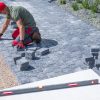
Concrete pavers and natural stone are popular for a reason.
Pros:
- Very durable and stable when installed over the right base
- Easy to sweep, rinse, and keep clean
- Available in lighter colors that can stay cooler than dark poured concrete
- Many shapes and patterns to fit modern or classic looks
Cons:
- Dark charcoal or very deep tones can absorb a lot of heat
- Solid surfaces need good drainage planning so water does not pool during storms
Gravel and decomposed granite give a more relaxed feel.
Pros:
- Great drainage that works well with desert and Mediterranean styles
- Natural look that blends into rock, cacti, and low-water plantings
- Usually more budget-friendly than large solid surfaces
- Flexible layout that can curve around beds and trees
Cons:
- Can kick up dust in very dry conditions
- Tends to move out of place without strong edging
- Can be tricky for wheelchairs, walkers, or small wheels
Mulch and bark paths create a soft, garden-like feel.
Pros:
- Cooler underfoot than many hard materials
- Gentle surface that is kind to knees and paws
- Warm, natural look that pairs well with shrubs and flowering plants
Cons:
- Breaks down with sun and foot traffic, so it needs regular top-ups
- Can blow around in high winds or wash away in strong downpours
- May look tired faster in intense sun without steady upkeep
Artificial turf walkways are used more often now around seating and play zones.
Pros:
- Green look without regular watering
- Consistent, even surface that resists mud and bare patches
- Works well between paver bands or stepping stones
Cons:
- Some products can get quite warm in full sun
- Comfort depends on the quality of the turf and the infill material
- Needs skilled installation to drain properly and lay flat
Smart Design Tips to Keep Garden Paths Cooler
Once you pick your main garden path materials, design choices can make a big difference in how hot the path feels.
First, choose lighter colors where you can. Pale tan, sandy beige, soft gray, and similar tones tend to reflect more sun than deep browns or blacks. Even a simple shift from very dark pavers to a mid-tone mix can help lower surface temps on long summer days.
Next, think about mixing materials. Some ideas that work well in hot, dry yards:
- Concrete or stone pavers set in strips of gravel
- Large stone steppers with drought-tolerant groundcovers between them
- Narrow bands of turf between pavers to break up solid surfaces
- Gravel borders around solid paths to lower heat and help drainage
Shade is another powerful tool. Main walkways can be placed where trees, pergolas, or shade sails will cover at least part of the surface during peak sun. Layered planting with tall shrubs and ornamental grasses can also cast soft, dappled shade over sections of path.
Good drainage and stability keep the path safe long-term. A compacted base, suitable base rock, and firm edging help:
- Stop ruts and low spots from forming
- Keep pavers or steppers from rocking or tipping
- Limit washouts after short, intense storms
For evening-comfort, many people like to add solar or low-voltage lighting along the coolest-running parts of the path. Gentle light along a lighter-colored gravel edge or pale stone walkway makes it easier to enjoy warm nights without glare or hot surfaces radiating heat back at your legs.
How to Match Path Materials to Your Backyard Style
Heat-smart paths do not have to look plain. With a few simple choices, you can match your materials to the style of your yard and still respect the weather.
For desert and xeriscape gardens, decomposed granite, natural stone, and gravel are strong choices. Neutral-tone pavers in sand, buff, or soft gray echo the surrounding hills and dry riverbeds. A mix of stone steppers and compacted gravel can wind through succulents, cacti, and native grasses without asking for more water.
In modern and minimalist spaces, many people like crisp lines and simple colors. Large-format pavers in light gray or cream, paired with smooth gravel joints, give that clean look while still handling heat well. Artificial turf strips between pavers can add a sharp green accent without daily watering.
Family-friendly and pet-friendly yards need sturdy, even footing. Interlocking pavers create a stable, smoother surface that is kind to bare feet, paws, and wheels. Turf borders or framed gravel paths around play zones help control dust and cut down on mud from the few storms that do roll through.
For cottage and lush-look gardens that still use efficient irrigation, softer materials can shine. Mulch paths with stone or paver borders feel warm and natural while the borders help hold everything in place. Stepping stones with drought-tolerant groundcovers between them and gravel accents around beds can give a layered, garden feel without asking for much extra water.
To finish everything off, it helps to coordinate your garden path materials with nearby features. Matching or complementing the color and texture of your patio, driveway, or pool deck gives your yard a calm, unified look that feels thought-through from the front curb to the back fence.
Get Started With Your Project Today
Ready to turn your garden path ideas into a finished space you can enjoy every day? Explore our curated selection of garden path materials to find the right look, texture, and durability for your outdoor design. At Mr. Pavers, we are here to answer questions, help you compare options, and guide you from planning to installation. If you would like personalized recommendations, simply contact us and we will help you choose the best path forward.