Los Angeles Gravel Path Installation Checklist for Long-Term Stability
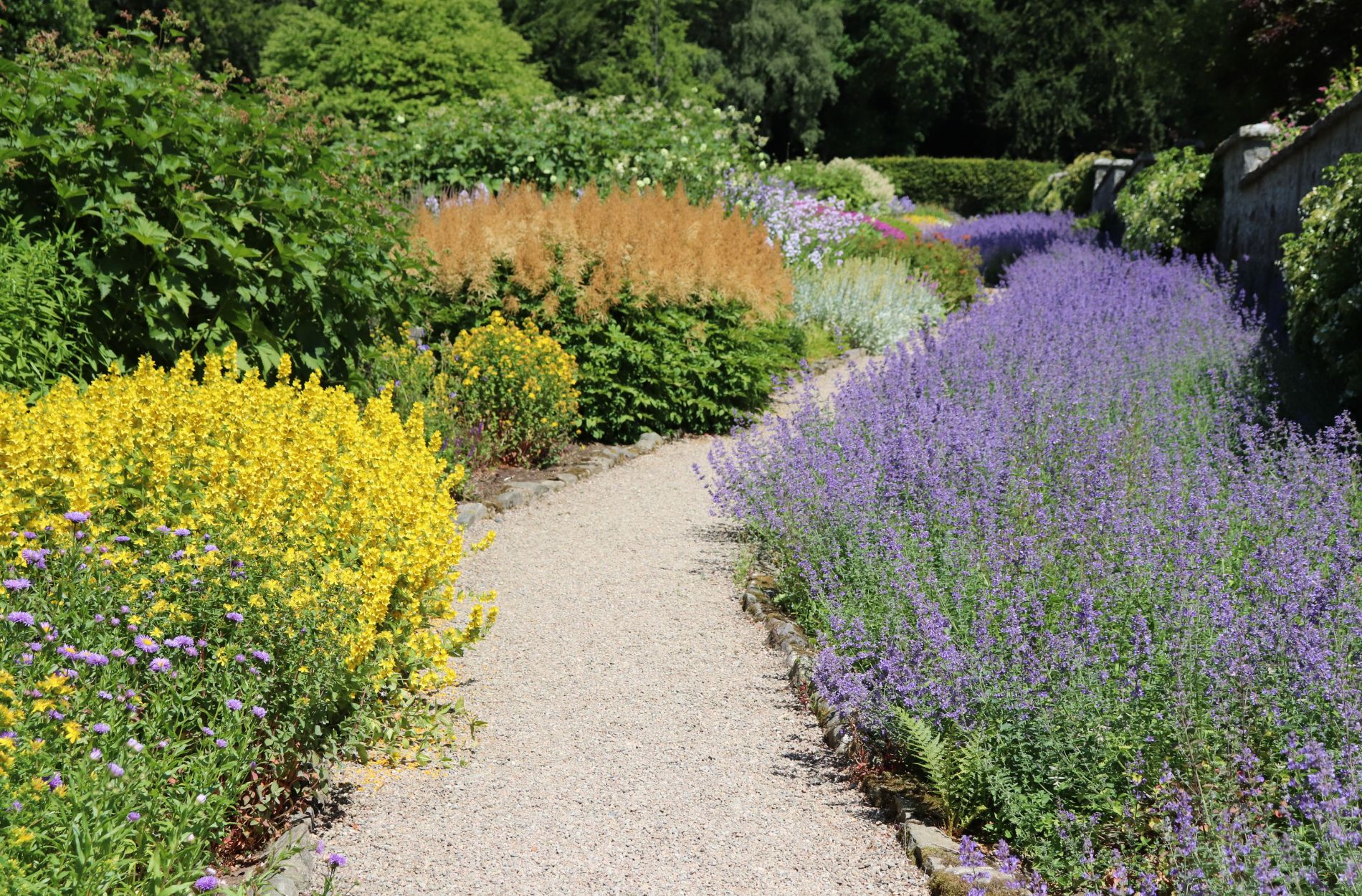
Build Gravel Garden Pathways That Last in LA
Gravel garden pathways fit Los Angeles life really well. They stay cooler than solid concrete, they do not need much water, and they work nicely with drought-tolerant plants. A clean gravel path can pull your whole yard together and make it easier to move around.
But even simple gravel paths can fall apart fast if the base is too thin, the compaction is weak, or the slope and edging are off. That is when you start seeing ruts, puddles, loose stones, and tripping spots. In this guide, we walk through a clear checklist so your gravel garden pathways stay solid through heat, heavy foot traffic, and those rare but strong LA rainstorms.
Plan Your Path Layout and Materials Like a Pro
Before any digging, slow down and plan. A few smart layout choices make a huge difference in comfort and long-term performance.
When choosing the route, think about how people already move through the space. Good paths usually follow natural “desire lines” where feet are already wearing the ground. Also think about:
- Avoiding steep slopes when possible
- Working around irrigation heads and main tree roots
- Keeping away from tight corners where wheelbarrows and trash bins need to pass
- Sun vs shade, so you are not walking in hot full sun more than needed
Next, decide how the path will be used so you can size it right. A narrow garden access path can be around 2 to 3 feet wide. If you want two people walking side by side, or need room for a wheelbarrow, think closer to 3 to 4 feet. Plan where the path will meet patios, driveways, turf, or sheds so those transitions feel smooth and not awkward.
Material choice is just as important. For most gravel garden pathways, you want gravel that compacts and locks together. Many people like:
- 3/8 inch minus crushed rock for a firm but natural feel
- Decomposed granite for a tighter, almost paved surface
- Colors that match nearby stone, pavers, or the warm tones of a drought-tolerant yard
You may also want underlayment fabric to help separate soil from base rock in messy areas, headers to frame the sides, and stabilizers in spots that get heavy traffic. At Mr. Pavers, we help match gravel types and colors to your existing hardscapes so everything feels like one planned space.
Get Base Depth and Compaction Right the First Time
The strength of your path lives in what you cannot see, the base under the gravel. If the base is shallow or soft, the path will rut and wash out.
For most Los Angeles garden paths used by pedestrians, a common target is around 3 to 5 inches of compacted base rock under the surface layer. If you expect light equipment or frequent wheelbarrow traffic, you may want to go toward the deeper end of that range.
Here is a simple way to build that base:
- Excavate the path area deep enough to hold your base rock, a thin bedding layer, and the top gravel, while still matching nearby grades
- Use a crushed rock base, not plain soil or only sand. Crushed rock interlocks and drains much better.
- Install the base in “lifts”, about 2 inches at a time, then compact each lift before adding the next
Compaction is where many DIY paths fail. A plate compactor gives you a much stronger base than a hand tamper, especially on wider paths. Slightly damp material compacts better than dry or muddy material. A couple of simple checks:
- You should not see deep footprints when you walk on the base
- It should feel firm under your step, not springy or soft
- A straight board laid across should not rock or teeter on high spots
Only once the base feels solid should you move on to the surface gravel.
Set the Perfect Drainage Slope for LA Weather
Los Angeles does not get rain often, but when storms hit, they can be strong. A good gravel path needs just enough slope to send water away, without feeling steep.
A helpful rule of thumb is about 1 to 2 percent slope. That is roughly 1/8 to 1/4 inch of drop for every foot of run. It is gentle enough that walking feels normal, but enough for water to move off the surface instead of soaking and puddling.
To work with existing grades:
- Look at where patios, driveways, or door thresholds already drain
- Match your path height at those points, then gently slope away
- Avoid creating low bowls where water has no exit
- Watch out for areas that already stay damp. They may need extra help.
In spots that have known drainage problems, consider add-ons like French drains, perforated pipe, or deeper base rock to create more room for water to move. Proper slope and drainage support your path in three big ways: less erosion, fewer muddy areas, and less gravel moving out of place during storms.
Choose Edging That Holds Gravel in Place
Edging is like a frame for your path. It keeps the shape clean and keeps the gravel where it belongs.
There are plenty of edging options that work in Los Angeles gardens:
- Steel or aluminum edging for a slim, modern line
- Concrete curbs for a more permanent border
- Natural stone pieces for a soft, organic look
- Flexible plastic edging for quick curves on lower budget projects
Whatever you pick, the installation details matter. Set the edging to the right height compared to the finished gravel level, usually with the gravel just below the top so it does not spill over. Anchor it firmly with stakes or concrete so it will not lift or bow. Follow gentle curves instead of sharp angles. Sharp kinks can be trip points and are harder to maintain.
Strong edging helps your path look neat for years. It stops gravel from creeping into planters, lawns, or nearby hard surfaces and cuts down on the amount of raking and sweeping you need after late-summer get-togethers or fall garden work.
Finish with Gravel Placement and Seasonal Maintenance
Once the base and edging are set, you can place the surface gravel. Spread it in thin layers and rake it even as you go. A common surface depth is around 2 inches of loose gravel over your compacted base. Too thick, and it feels like walking on a beach. Too thin, and you may see the base poking through.
Use a landscape rake to even things out and check transitions at steps, gates, and doors. You want smooth, comfortable changes in height so people are not catching toes or stroller wheels on unexpected edges.
Gravel garden pathways do not need a lot of care, but a little seasonal touch-up keeps them looking fresh:
- Light raking after busy weekends to smooth footprints and wheel tracks
- Topping off thin spots about once a year where gravel has scattered or settled
- Checking after strong winter storms for low spots, puddles, or exposed base that could show a slope or compaction issue
Some signs that a path may need more than simple raking include chronic puddles that reappear after every storm, deep ruts in the same places, or edging that keeps leaning or breaking. In those cases, it may be time for a deeper rebuild with better base depth, slope, and materials.
At Mr. Pavers, we supply job-ready gravel, base rock, and other hardscape materials to help both homeowners and contractors in the Los Angeles area build gravel garden pathways that feel solid from day one and stay that way over time.
Get Started With Your Project Today
Transform your outdoor space with expertly designed and installed gravel garden pathways that complement your home and landscape. At Mr. Pavers, we take the time to understand your vision, soil conditions, and maintenance preferences so your new paths look great and last. Reach out to our team today through our contact page to discuss your ideas and request a customized estimate.