Gravel Path Failures: Diagnose and Fix Issues by Soil and Drainage
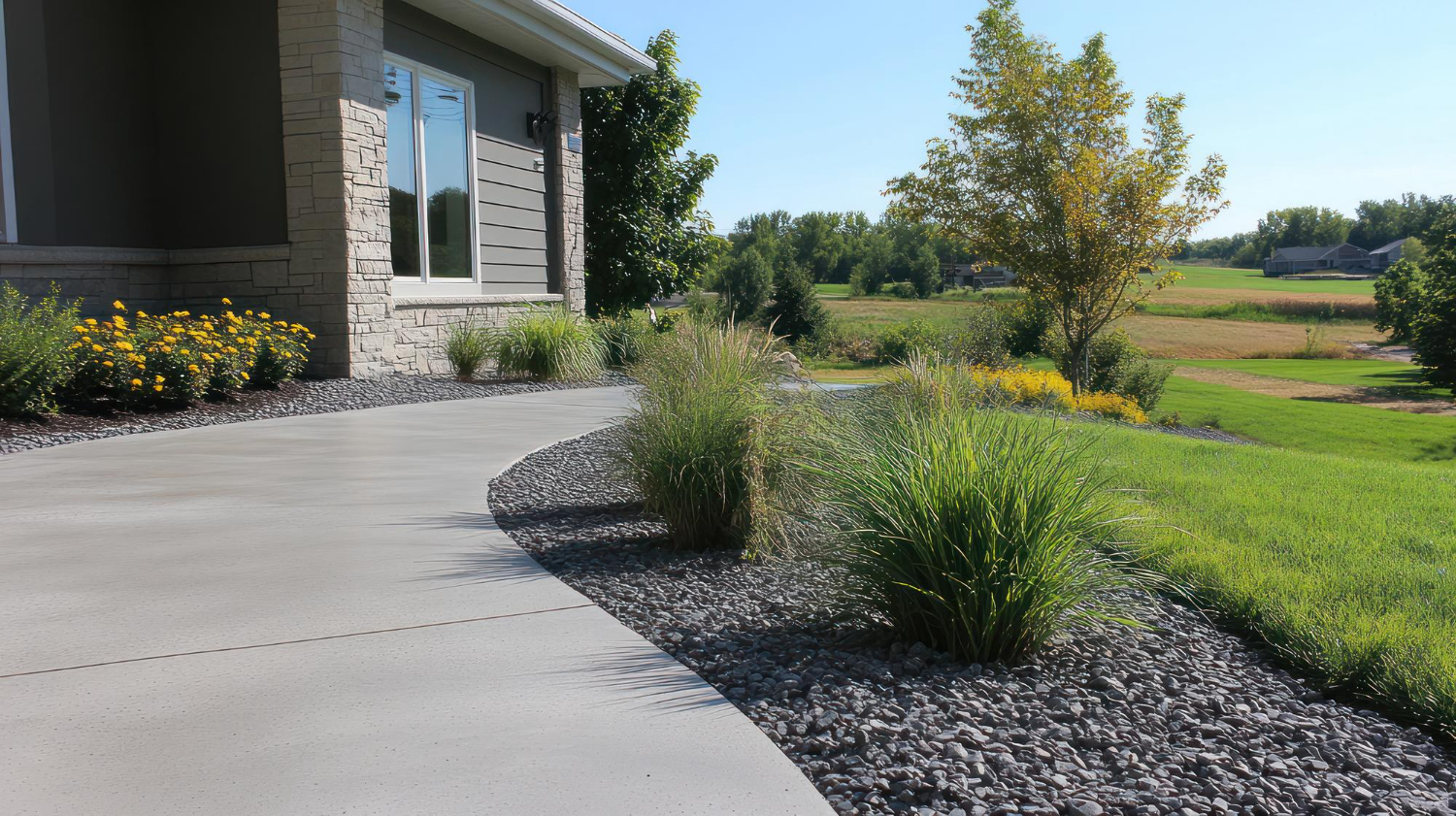
Why Gravel Garden Pathways Keep Failing in Los Angeles Yards
Gravel garden pathways are sold as “low maintenance,” but many people in Los Angeles learn the hard way that a pretty path can turn into ruts, puddles, and weeds after just one rainy season. The top layer of gravel still looks fine at first, but the mud underneath tells a different story. Every storm pushes more stone aside, exposes fabric, and sends you back out with a rake and a shovel.
Most of these problems are not bad luck. They come from skipping two big design checks at the start: what kind of soil you have, and how much slope your path sits on. When clay, sand, and gravity are ignored, even good gravel fails. Here we walk through real-world failure patterns, how to read the “clues” in your path, and smart ways to fix them using pro-grade materials. Late July is a great time in LA to tackle this work so your paths are ready before the fall rains show up again.
Reading Ruts and Puddles Like a Pro
The surface of your gravel path is like a report card. It tells you what is going on underneath if you know how to read it.
Common symptoms and what they often signal:
- Long ruts where feet, carts, or wheelbarrows travel: base is too thin or too soft for the traffic
- Washouts where gravel collects at the bottom: slope is too steep or there are no breaks to slow water
- Loose “marbles” rolling underfoot: gravel is too round or not compacted into a base layer
- Standing water and slimy mud: poor drainage in the subgrade, often heavy clay or low spots
- Wavy, corrugated surface: water is running down the path instead of across it
A quick DIY inspection helps you confirm the cause:
- Dig a small test pit to the side of the path
- Measure gravel depth and look for a compacted base rock layer
- Note when you hit native soil and what it looks like, sticky clay, or loose sand
- Scoop out a shallow hole nearby, fill it with water, and see how fast it drains
If water sits for a long time, you likely have clay or a hardpan layer. If it drains fast but the path still feels soft, you may have sandy soil with no real base. Matching these clues to your soil and slope tells you whether you need more base, better edging, different gravel, or a full rebuild.
Clay Soil Case Studies and Fixes
Clay is common in parts of Los Angeles, and it loves to hold water. That is the start of many gravel path headaches.
One common problem is an almost flat backyard path over heavy clay. After each storm, water just hangs out in shallow dips, turning your “dry” gravel into a chain of small puddles. In that case, the path usually has:
- Little or no grade to move water off the surface
- No real base layer under the decorative gravel
- A clay subgrade that never drains fully
Another frequent issue is a side-yard access route where wheelbarrows or trash bins dig deep ruts. When clay is not separated from the gravel, it pumps and squishes under load. Every pass pushes more stone into the mud and brings sticky fines up into the gravel.
Stronger clay fixes often include:
- Excavating soft spots and adding 2 to 4 inches of compacted Class II base or similar crushed rock
- Installing a nonwoven geotextile fabric between the native clay and the base rock
- Reshaping grades to add a gentle crown down the center or a 1 to 2 percent cross-slope so water sheds off the path
- Switching to angular gravel that locks together instead of rounded rock that rolls
In clay-heavy pockets of LA, overspray from irrigation makes things worse by keeping the base wet. Summer is usually dry enough that you can open up the path, let the clay breathe, then rebuild it correctly so it can handle the wetter months ahead.
Sandy Soil and Slope: Stopping Sink-in and Washouts
Sandy soil brings the opposite problem. It drains fast but does not hold shape. On coastal and valley properties with loose sand, gravel garden pathways often feel soft and squishy, even without rain. Over time the gravel seems to vanish as it sinks into the native sand.
Here the root causes are usually:
- No compacted base layer to spread weight
- No separation fabric, so gravel mixes down into the sand
- Lack of edging, so everything drifts outward
On sloped sandy paths, gravity and water team up to move material downhill. After each strong rain, the top section looks bare while the bottom looks like a rock pile.
Targeted fixes for sandy areas include:
- Compacting a firm base of decomposed granite or crushed rock over geotextile fabric
- Adding strong edge restraints like metal, concrete, or paver borders to keep the base and gravel from spreading
- Choosing slightly larger, angular gravel to improve traction and resist sliding on slopes
- Working in permeable pavers or stepping stones as “anchors” across the path on steeper stretches
By combining a stable base, separation fabric, and solid edges, you tell the sand where it can and cannot move.
When Gravity Beats Your Gravel
Slope is the quiet troublemaker that shows up in almost every failure case. Even good soil and nice gravel will struggle if water is allowed to race straight down a long path.
It helps to think of slopes in three groups:
- Gentle, under about 3 percent: most gravel paths can work if the base is solid and water can drain off
- Moderate, about 3 to 8 percent: needs better confinement, breaks in the run, and often mixed materials
- Steep, over about 8 percent: loose gravel alone is rarely safe or stable long term
Typical slope failure signs are:
- Gravel migrating downhill and piling at the bottom
- Exposed fabric or bare spots at the top and middle
- Slippery footing during and after rain
Stronger layouts for slopes might use:
- Shorter, terraced segments with small landings that interrupt water flow
- Intermittent paver or stone “risers” laid across the path to hold gravel in place
- Simple check dams of boulders or timbers on the sides of the path
- Stabilized decomposed granite or resin-bound sections on the steepest runs
Mixing gravel with pavers, stepping stones, or even turf strips keeps the natural look while giving firm footing, which matters a lot on the hillsides and view lots around LA.
Weed Breakthrough and Smarter Rehab Plans
Even when drainage and slope are handled, weeds can still win if the path is built too light. Many people rely on a thin layer of landscape fabric and a dusting of gravel, then watch weeds punch through or grow in organic debris on top.
Real-world weed issues often come from:
- Soil fines and clay pumping up into the gravel and feeding new growth
- Windblown seeds landing in leaf litter that has collected on the path
- Fabric that is too light, torn, or not covered with enough gravel
A stronger defense usually stacks a few things together:
- Thoroughly removing existing roots and organic soil from the path footprint
- Using heavy-duty woven or nonwoven underlayment suited for traffic
- Adding at least 2 to 3 inches of well-graded gravel over a stable base
- Defining borders so soil and mulch from beds cannot wash into the path
- Doing late-summer cleanup to remove debris and top off gravel before fall weed germination
When you are ready to fix problem areas, it helps to decide if you can spot-repair or if you need to rebuild. Light ruts and thin spots on an otherwise solid, well-draining path can sometimes be handled by reshaping, compacting, and adding gravel. Chronic puddling, exposed fabric, and major slope movement are signs it is time to open things up, reset the base, and possibly bring in better materials and mixed solutions like stepping stones or turf accents.
By reading the ruts, puddles, and weeds as clues about your soil, slope, and base, you can turn frustrating gravel garden pathways into durable, good-looking parts of your outdoor space that hold up when the rains return.
Get Started With Your Project Today
Create a beautiful, low-maintenance walkway by exploring our curated selection of gravel garden pathways. At Mr. Pavers, we help you choose the right materials and layout so your path looks great and stands up to everyday use. If you would like personalized guidance or a quote, please contact us and we will be glad to discuss your project.