Decoding Landscape Construction Supply for Sloped Los Angeles Yards
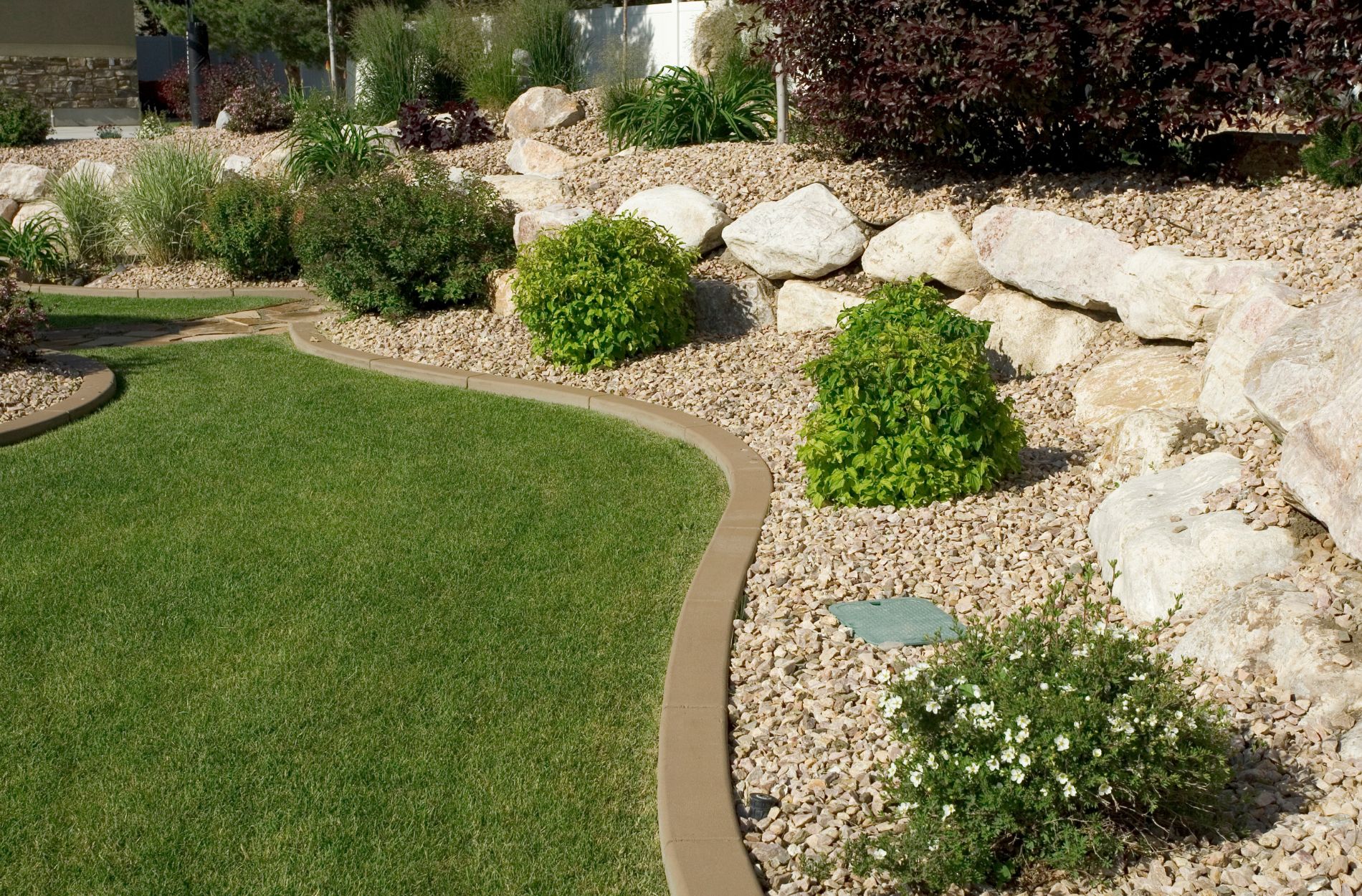
Turn Sloped LA Yards Into Usable Outdoor Rooms
Sloped yards are common across the Los Angeles area. Hillside homes, raised front yards, and narrow side slopes can all feel tricky to use. Soil slides after hard rain, water rushes straight to the street, and the steep parts often turn into wasted space.
With the right plan and the right landscape construction supplies, that same slope can become flat, useful outdoor rooms. Terraces, safer walkways, and sturdy steps can turn a hard-to-mow hill into a low-maintenance place to relax, entertain, or garden.
Our climate adds extra pressure. Clay-heavy soils, long stretches of hot sun, and sudden winter storms all put stress on anything built on a slope. That is why picking the right base materials, wall systems, pavers, and drainage supplies matters so much more here than in flatter, softer-soil areas.
In this guide, we will break down why Los Angeles slopes are tricky, which materials help keep them stable, how to choose surfaces that grip and drain, and how to plan summer projects so they are ready before the rainy season. We will also share how a local yard supply partner can support both contractors and serious DIY homeowners.
What Makes Los Angeles Slopes So Challenging
Hillside work in our area is not only about looks. It is about how soil, sun, and storms all push and pull on the ground.
Many LA yards have compacted or clay-rich soil. When it is dry, that soil gets hard and tight. When it finally rains, water often slides over the top instead of soaking in. On a slope, that means:
- Fast surface runoff
- Erosion ruts and bare spots
- Mud at the bottom of the hill
- Stressed plants that never get steady moisture
Gravity makes everything worse. Water flows faster, soil follows, and small problems grow big. A slight slope can start to:
- Undercut plant roots
- Wash out under pavers and walkways
- Crack patios or paths
- Expose irrigation lines and create trip hazards
There are also safety and code concerns. Yards near property lines or streets need stable slopes so soil does not slide away. Drainage has to pull water away from house foundations and driveways. Surfaces near doors, steps, and parking areas need good traction so people can walk safely when things are wet.
Generic solutions from big-box stores often do not hold up well under these conditions. Thin base layers, poor-draining gravel, or light-duty retaining blocks may look fine at first, but on a hillside they can:
- Shift with the first strong storm
- Settle and create uneven surfaces
- Let water build up behind walls
That is why hillside projects usually call for professional-grade landscape construction supplies and careful planning that fits local soil and slope patterns.
Core Landscape Construction Supplies for Hillside Stability
A solid slope project starts from the ground up. The supplies under the surface often matter more than what you see on top.
Engineered base materials are the backbone of stable hardscapes. On slopes, we lean on:
- Crushed rock base and Class II road base for strength and drainage
- Sand or fine bedding materials for leveling pavers or stone
- Plate compaction in layers so the base locks tight
When people cut corners on base depth or compaction, surfaces tend to sink, tilt, or spread apart. On a hillside, that movement shows up even faster.
Retaining walls and terraces are the main tools for turning a steep area into flat, usable zones. Common components include:
- Retaining wall blocks that interlock and resist soil pressure
- Capstones to finish wall tops and protect from erosion
- Geogrid or similar reinforcement in the soil behind taller walls
- Compactable gravel behind the wall to help drain water
With smart terracing, one long slope can become separate outdoor rooms, such as a seating area, a small lawn or turf zone, and raised planting beds.
Erosion control and drainage supplies keep all of that work safe when the first big storm hits. Key materials often include:
- Drain rock and gravel trenches
- Perforated drain pipe and catch basins
- Channel drains at the base of slopes or in front of patios
- Landscape fabric to separate soil from base and help manage weeds
These systems move water where it should go, protect walls, and reduce surface runoff that can damage neighbors below.
Working with a local supplier that stocks materials suited to Southern California conditions helps contractors and DIY homeowners get consistent results. The right gravel mix, wall system, and drain components make a real difference on our hillsides.
Choosing Surfaces That Grip, Drain, and Last
Once the structure is solid, it is time to pick surface materials that are safe and long lasting on a slope.
Interlocking pavers are a popular choice for driveways, steps, and paths on hills. They create a surface that is:
- Strong but flexible, so it can handle minor ground movement
- Easier to repair, since single units can be lifted and reset
- Available with textured finishes for better traction
Pavers paired with the correct base and edge restraints handle inclines much better than many poured surfaces that can crack and become slippery.
Gravel, decomposed granite, and stone steps can work well too, if they are built on the right foundation. On slopes, they usually need:
- A compacted base layer, not just loose rock on soil
- Edging or borders to keep material from sliding downhill
- Stable riser materials for steps, such as wall blocks or stone
Without those, pathways often rut, spread, and become unsafe to walk on.
Synthetic turf and mulch also have their place on hillsides. Modern turf, installed over a drainable base with proper infill, can turn a muddy bank into a clean, green space that stays usable year-round. Mulch can be helpful on milder slopes around plants, but on steeper ground it should be paired with:
- Edging or check dams to slow movement
- Grid systems or netting where needed
- Deep-rooted plants to hold soil in place
Local microclimates matter too. South-facing slopes may get baked by sun and reflected heat from walls or paving. Shaded slopes under trees may stay damp and collect debris. Material choices should match these patterns so surfaces stay comfortable underfoot and hold up over time.
Planning Summer Projects Before Winter Rains Arrive
Summer is when many homeowners and contractors plan slope work, and that timing makes sense. Dry soil is easier to grade, deliveries are simpler to schedule, and finished systems are ready when the rainy season returns.
A smart plan looks at drainage and irrigation together. Good hillside projects often include:
- Gravel trenches or French drains to move water
- Catch basins or channel drains where runoff gathers
- Permeable pavers or open-joint designs where suitable
- Graded surfaces that steer water toward planting areas or dry wells
This way, stormwater becomes a resource for plants instead of a flood racing down the driveway.
Budget planning is easier when you phase work around structure first, looks second. Many people:
- Start with retaining walls, stairs, and drainage
- Add main patios, walkways, and driveways next
- Finish with turf, gravel accents, and planting beds
A knowledgeable supply yard can help estimate quantities for base rock, wall blocks, pavers, and drain components so there are fewer surprises on delivery day.
Some hillside tasks are better left to licensed pros, especially tall retaining walls or steep, complex slopes. Homeowners sometimes handle smaller terraces, short paths, or decorative areas, then team up with a contractor for the engineering-heavy parts. In both cases, having the right materials on site makes the work smoother and the results more reliable.
Transform Your Slope with Pro-Grade Supplies and Local Insight
Turning a tricky LA slope into useful outdoor rooms is about smart planning and the right landscape construction supplies. Start by assessing your yard: where the slope is steepest, where water collects, and which areas you want for seating, paths, or planting. From there, list out what you will need, like base materials, retaining wall blocks, pavers, drainage parts, turf, and mulch.
As a local supplier serving the greater Los Angeles area, we work with both contractors and serious DIY homeowners who are ready to upgrade their hillsides. When you bring clear photos, basic measurements, or plan sketches, it is much easier to match materials to your specific soil, slope, and style. With pro-grade supplies chosen for local conditions, your slope can shift from underused and risky to stable, comfortable, and ready for everyday life.
Get Started With Your Project Today
If you are ready to bring your outdoor vision to life, explore our curated selection of landscape construction supplies tailored for projects of every size. At Mr. Pavers, we help you choose the right materials so your patio, walkway, or garden upgrade is built to last. Have questions or need guidance before you start? Simply contact us and our team will walk you through your options.