Common Gravel Gardens Design Mistakes in Los Angeles Yards
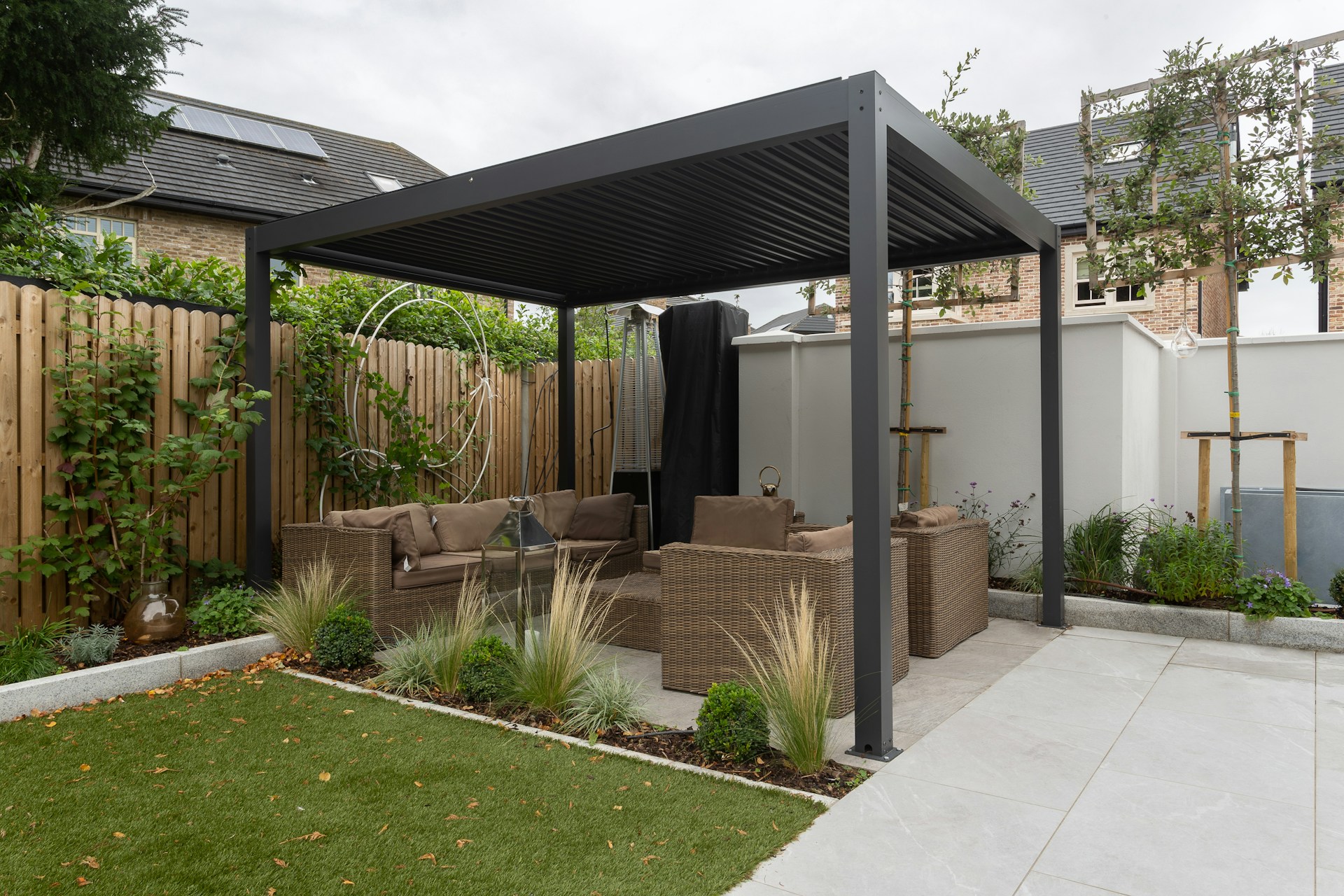
Gravel Gardens That Thrive in LA Heat
Gravel garden design fits Los Angeles yards really well. Our summers are hot, dry, and often come with watering rules, especially later in the season. A well-planned gravel garden can keep your space green and stylish without soaking your water bill.
With the right layout, you get low water use, modern curb appeal, and less weekly yard work compared to a thirsty lawn. But if the design is rushed or missing key steps, the result can be weeds, loose rock, and plants that give up the second August arrives. We see this a lot, and most problems start with the same handful of mistakes. Here is how to avoid them and get closer to that clean, designer look many people want for their LA yard.
Ignoring Site Prep and Drainage Basics
One of the biggest gravel garden design mistakes we see is when someone just dumps rock over existing soil or old lawn. In many LA neighborhoods, the soil has a lot of clay. That means water moves slowly and can pool during a rare heavy rain. Without prep, you get puddles, muddy spots, and gravel that sinks and shifts.
Before any stone goes down, it helps to think like a builder, not just a gardener. Key steps include:
- Grading the area so water flows away from your house and hardscape
- Installing a compacted base layer so gravel stays stable
- Laying the right underlayment or weed fabric to cut down on weeds
- Adding edge restraints where gravel meets walkways or planting beds
Skipping compaction and edging might not look like a big deal at first. Over time, though, gravel starts to creep onto sidewalks, driveways, and neighbors’ yards. That creates slipping hazards, messy entries, and complaints from HOAs or city inspectors. It is much easier to plan for this up front.
Local yard conditions can change a lot, even from one block to the next. Soil type, slope, and how water already moves through your property all matter. This is where talking with local supply pros before you start can really help. Matching the right base gravel, edging style, and fabric to your yard gives your gravel garden a strong, long-lasting foundation.
Choosing the Wrong Gravel Size and Color
Another common issue is picking one random rock and using it everywhere. Not all gravel feels the same under your feet or behaves the same on a slope. The wrong size or shape can turn a nice looking design into a daily annoyance.
Here are a few common gravel choices and how they act:
- Decomposed granite, packs tight, great for paths and patios, can get dusty if not installed correctly
- Pea gravel, small and rounded, soft underfoot, can roll and shift on slopes or where wheels pass
- Crushed stone, angular pieces lock together better and stay put, but can feel sharp on bare feet
- Decorative rock, larger pieces add texture and color, best used in planting areas, not as a walking surface
Color plays a big role in both style and comfort. Very dark rock can heat up fast in direct sun and feel harsh around a seating area. Very bright rock can glare in afternoon light and make the yard feel washed out. Busy multicolor blends might look fun in a sample bag, then clash with stucco, roof tile, or modern finishes once they cover a whole yard.
A smart gravel garden design treats stone like another part of the house exterior. The rock color should coordinate with:
- Stucco or siding color
- Roof tile or metal
- Existing pavers or concrete
- Trim, doors, and window frames
Seeing materials in person instead of only on a screen helps. Natural light in LA can change how stone reads throughout the day, and a quick comparison against your home can save a lot of second guessing later.
Overlooking LA-Friendly Plants and Irrigation
Some people think gravel garden design means a yard full of only rock. Others go the opposite way and pack in plants that drink a lot of water and struggle when the heat hits. Both paths lead to frustration.
Gravel works best with plants that like sun, dry feet, and the extra heat that bounces off stone. Good partners include:
- Mediterranean herbs like lavender and rosemary
- California natives such as manzanita and ceanothus
- Ornamental grasses that sway and soften the stone
- Succulents and aloes that store water and handle drought
Planting is only half the story. Poor irrigation design can undo all your careful work. Overspray from sprinklers washes gravel out of place and wastes water. Drip lines placed too shallow can get damaged, and no irrigation at all leaves plants stressed during long dry stretches.
It helps to plan irrigation before gravel goes down. Often, the best setup is a simple buried drip system with emitters placed at the edge of the root zone. Combine that with plant spacing that allows room to grow, and you reduce the need for constant pruning and replanting. The goal is a layout that looks a little open at first, then fills in nicely over time without crowding.
Forgetting Comfort, Maintenance, and Real-Life Use
Many LA homeowners design their gravel garden from photos. The pictures look amazing, then real life hits during an afternoon heat wave. The space feels too hot, too bright, or too sharp underfoot, and daily routines like rolling trash cans or letting pets out become a hassle.
Comfort details matter more than most people realize:
- No shade near the main seating area means people avoid it mid-day
- Loose gravel right where you move carts, bikes, or trash bins makes daily tasks harder
- Sharp rock around pools or play zones is rough on bare feet and paws
Maintenance also deserves a spot in your plan. Gravel under trees that drop a lot of leaves or pods will need regular cleaning. Very fine gravel or decomposed granite can blow around on windy days and end up on patios, in drains, or inside the house.
A smart approach is to mix materials. For example, combine gravel with:
- Concrete or stone pavers to create firm walkways and seating pads
- Stepping stones set in gravel for cleaner access to gates or side yards
- Artificial turf panels to create pet zones or play strips that stay green
This blend keeps your yard flexible, low water, and easier to live with day after day, not just on the day it is installed.
Turn Your LA Gravel Garden Into a Showpiece
When you avoid the most common mistakes, a gravel garden shifts from a basic rock yard to a clean, modern, water-wise outdoor space. Good prep and drainage, the right gravel size and color, smart plant choices, and a focus on comfort all work together. Your yard looks intentional, not accidental, and it stays that way through late summer heat and changing water rules.
A helpful next step is to walk your space and take notes. Look for low spots where water collects, slopes where gravel might slide, and high-traffic zones that need a firm surface. Sketch a simple plan before you order anything, even if it is just boxes and arrows on a piece of paper. Starting with one focused area, like a front entry, side yard, or small seating corner, lets you fine-tune your design. Over time, you can expand the same look and materials across the rest of the yard for a connected, durable, and good looking LA gravel garden.
Get Started With Your Project Today
Transform your outdoor space into a low-maintenance retreat with our expert gravel garden design services tailored to your property. At Mr. Pavers, we listen to your goals, evaluate your landscape, and create a plan that fits your style and budget. Ready to move from inspiration to a real, finished garden you can enjoy? Simply contact us to schedule a consultation and start planning your project.