Inside Pebble Garden Paths for Los Angeles Courtyard Homes
Pebble Garden Paths That Transform LA Courtyards
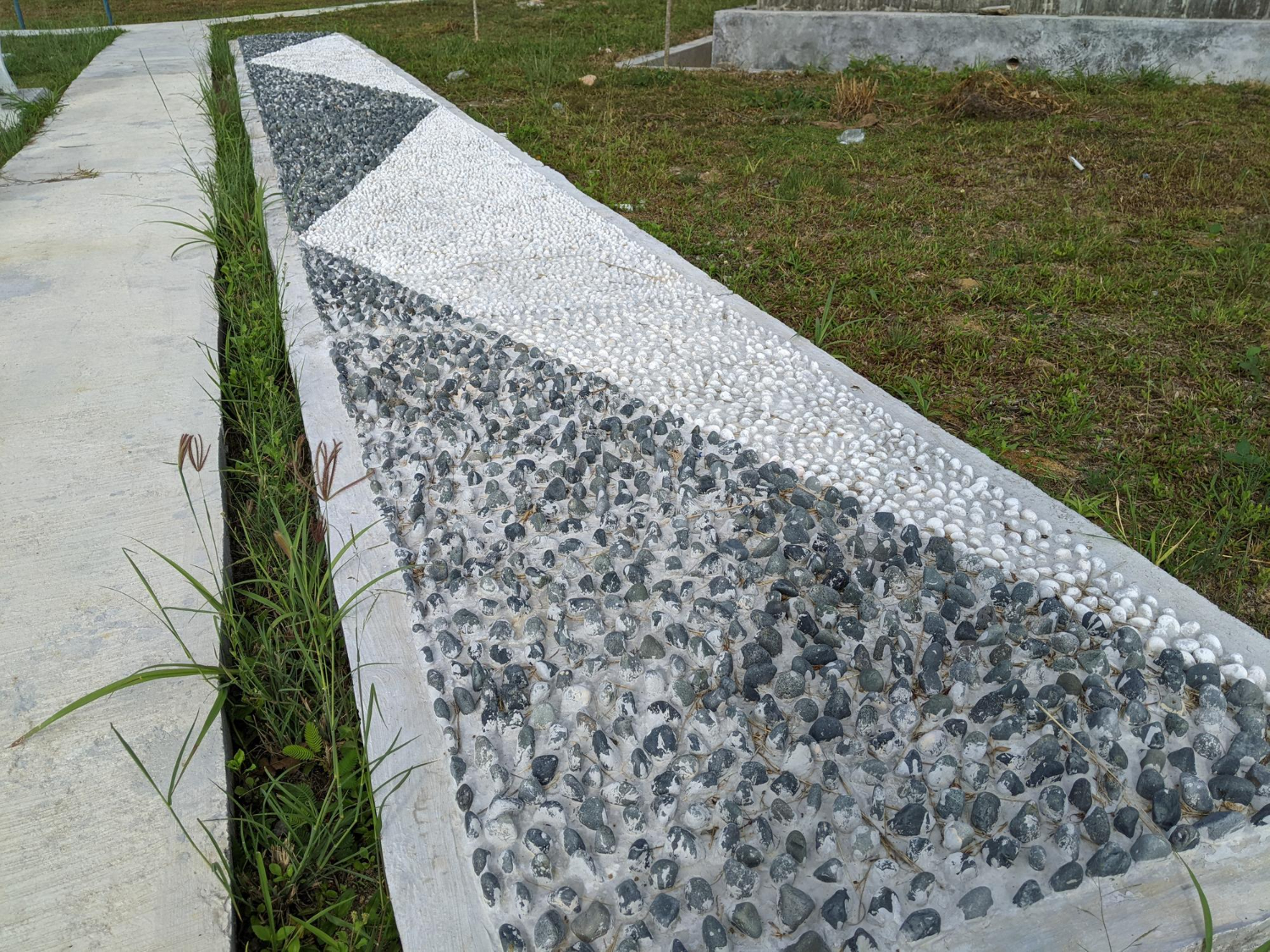
Pebble garden paths can turn a hot, flat courtyard into a small outdoor room that feels calm, cool, and worth stepping into. Instead of staring at plain concrete or dry dirt, you get soft curves, texture underfoot, and places where plants and seating actually make sense. For Los Angeles courtyard homes, this simple shift can change how you use your space every single day.
In our warm, dry climate, pebble paths handle sun, light foot traffic, and sudden rain without getting muddy or cracked. They help with drainage, work well with low-water plants, and break up large hard surfaces that hold heat. Here, we will walk through how to use pebble garden paths to add charm, structure, and better drainage to small outdoor spaces, with materials that are easy to build with and easy to keep looking clean.
Why Pebble Garden Paths Shine in LA Courtyards
Los Angeles gets long stretches of sun along with those quick, sometimes heavy, fall storms. Pebble garden paths help your courtyard deal with both. Instead of water sitting on top, it slips between the stones and into the soil, which can cut down on puddles and runoff.
Some key benefits for our area are:
- Permeable surface that lets rain soak in
- No messy mud when it finally does rain
- Pebbles stay cooler than solid concrete in direct sun
- Works well with drought-conscious watering habits
Pebble paths are also friendly to small spaces. Many LA homes have narrow side yards, slim walkways between the house and garage, or compact inner courtyards. A pebble path can:
- Add curves that make a tight space feel more relaxed
- Break up big, blank areas of concrete or plain dirt
- Guide the eye from the back door to a seating corner or garden bed
People sometimes worry about comfort. Smaller, rounded pebbles are usually fine with shoes and even with bare feet for short walks. With a good compacted base and landscape fabric under the rock, weed growth is much lower and easier to manage. Every few years, you can just rake smooth and top up with fresh pebbles to keep the path looking new again.
Designing Pebble Paths for Courtyard Flow and Shade
Before thinking about colors and stone sizes, it helps to look at how you actually move through the space. Stand in your courtyard and notice the natural paths you already take between doors, side gates, patios, and the trash area. Your pebble garden paths should support those habits, not fight them.
Ask yourself:
- Where do we walk the most right now?
- Where do guests hesitate or cut across dirt or planters?
- Which doors or gates need the clearest access?
For shape, straight paths work well where space is tight and you need a clear, simple line to a side gate. Gentle curves help soften a boxy courtyard and make room for planting pockets or a small seating area. For width, think about whether one person will walk at a time, or if two people might walk side by side. A slightly wider path near doors and seating spots feels more comfortable.
Edging is what keeps your pebbles where they belong. You might use:
- Concrete pavers for a crisp, clean frame
- Natural stone for a more relaxed, organic look
- Metal edging for a slim, modern line
Light and shade are big parts of comfort in Los Angeles. The sun can hit hard around the middle of the day, especially in late summer and early fall. Lighter-colored pebbles reflect more light, which helps surfaces feel less hot. Pair the path with shade from:
- Small trees or tall shrubs in planters
- A shade sail or pergola
- Climbing vines on a wall or trellis
Together, the flow, edging, and shade turn a basic path into something that feels like a true outdoor hallway or courtyard room.
Choosing the Right Pebbles and Base Materials
Not all pebbles feel or look the same. The material you choose affects comfort, style, and how easy the path is to maintain.
Common options include:
- Pea gravel, small and rounded, usually easiest to walk on
- River rock, larger and smoother, with a natural, flowing look
- Decorative pebbles, in chosen colors or mixes for a more finished style
Smaller, rounded pebbles are usually more comfortable underfoot and easier to rake smooth after heavy use. Larger stones can shift more and may feel less steady to walk on, so many people use them as accents rather than the whole path.
Color matters too. Los Angeles courtyard homes often have stucco in warm neutrals, tile roofs, or existing pavers. You can:
- Match your pebble color to your stucco for a soft, blended feel
- Choose a darker pebble to contrast with light walls
- Mix a few colors for a more natural, riverbed style
Under the pebbles, the base is what makes the path solid and long-lasting. A typical build uses compacted base rock, plus an optional thin layer of sand or decomposed granite for leveling. Then landscape fabric goes in to help block weeds before the pebble layer is added on top. At Mr. Pavers, we focus on supplying job-ready quantities of gravel, stone, and edging, so projects stay on track and you can create that layered base without extra runs for materials.
Installation Tips for DIY and Contractor Projects
Good prep makes all the difference in how your path feels and holds up. The main steps usually look like this:
- Mark the path with chalk, paint, or a garden hose
- Remove any grass, plants, or old groundcover along that line
- Level the area and smooth out any large bumps
- Adjust low spots or slopes so water moves away from your house
Once the layout is ready, build the path in layers. A simple sequence is:
- Spread base rock along the marked path
- Compact it with a plate compactor or hand tamper
- Lay landscape fabric over the compacted base
- Install edging along the sides
- Pour and rake your pebbles to the final depth
Early fall works well for installation in our area. Days are still long, the ground is dry, and the main rainy period has not started yet. Contractors and homeowners often like to line up pickup or delivery at this time so they can get everything placed and compacted before heavier storms show up and soak the yard.
Elevating Courtyards with Plants, Lighting, and Accents
Once your pebble garden paths are in, the fun part starts. Plants soften the edges and bring life and movement to your courtyard. For our drought-conscious climate, many people like:
- Lavender for scent and soft, gray-green leaves
- Rosemary for structure and a fresh smell
- Agave or other succulents for bold shapes
- Ornamental grasses that sway in the breeze
Lighting helps you enjoy the space in the evening. Simple options include:
- Low-voltage path lights tucked along the edges
- Solar stake lights for quick, no-wire setups
- Small uplights pointed at trees, boulders, or walls
For finishing touches, you can mix in more hardscape pieces. Stepping stones set within the pebbles create a sure-footed walkway and an interesting pattern. Small boulders can act like sculptures, marking corners or framing seating areas. Paver pads or stone slabs give you stable spots for chairs, a grill, or a small table. At Mr. Pavers, we carry complementary stone, gravel, and paver products that pair well with pebble paths, so you can pull the full courtyard design together with materials that belong in the same family.
Transform Your Outdoor Space With Lasting Pebble Paths
If you are ready to bring texture, character, and easy maintenance to your yard, our team at Mr. Pavers is here to design and install custom pebble garden paths that fit your home and lifestyle. We handle everything from layout and material selection to expert installation so your path looks great and performs well for years. Share a few details about your project and we will follow up with ideas, pricing, and next steps. To get started, simply contact us today.