Selecting Garden Landscaping Stone for Los Angeles Side Yards
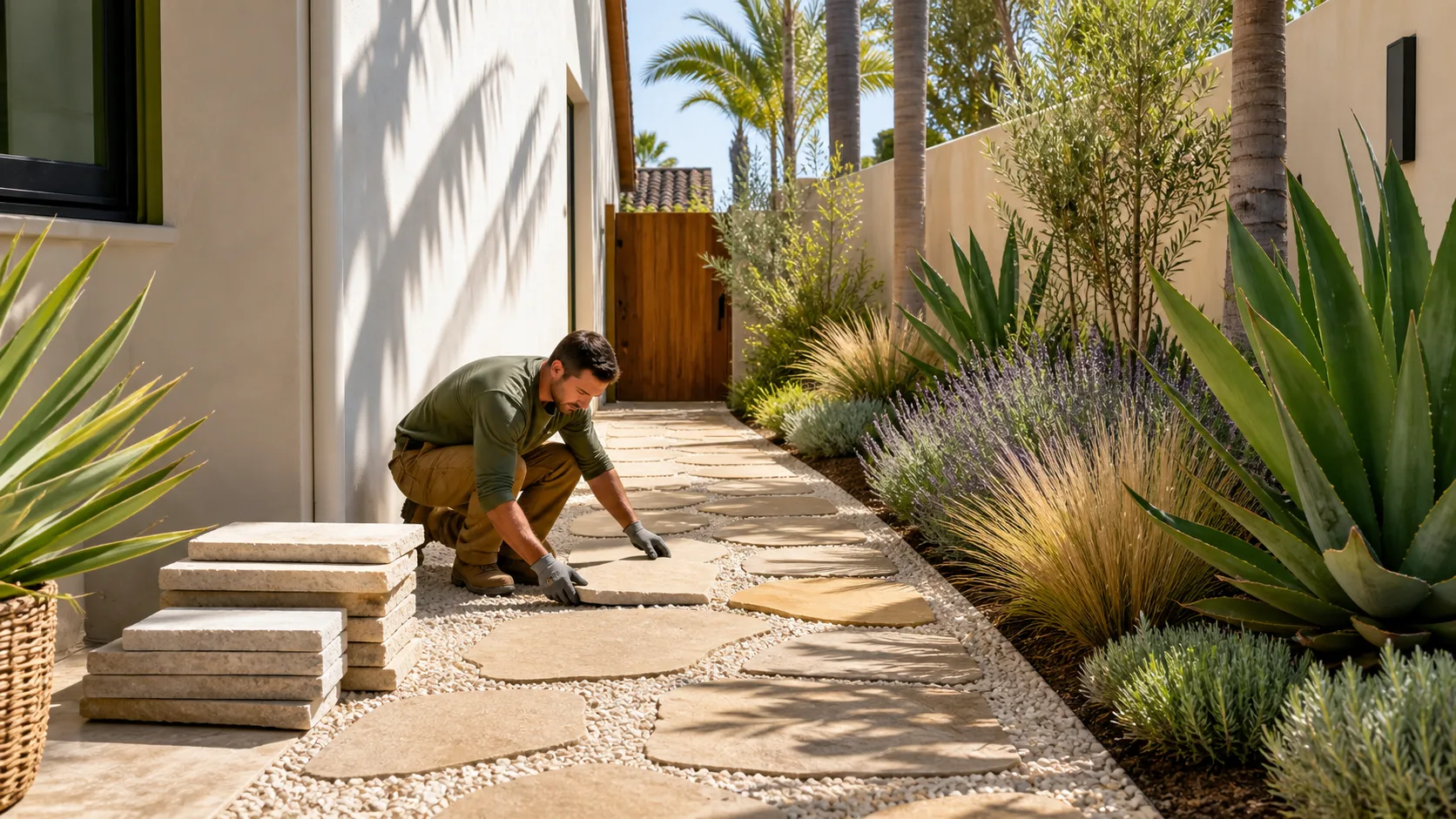
Transforming Tight Side Yards Into Inviting Garden Paths
A narrow side yard in Los Angeles does not have to be a dead zone of bare dirt and trash cans. With the right garden landscaping stone, that “in-between” strip can turn into a clean walkway, a soft garden path, or even a small retreat with plants and lights. When space is tight, every detail matters, from the base under the stone to the way the path turns.
Fall is a smart time to plan these upgrades. Days are still long, the soil is easier to work, and many people want their homes ready before holiday guests start arriving. Getting stone work set before the winter rains also helps keep mud away from doors, patios, and side gates.
With good materials, proper base prep, and a simple plan, a side yard project feels much less overwhelming. Even in a tight space, small choices in layout and stone type make a big difference. As a local supplier, we see every level of project, from first-time DIYers to experienced contractors, and we know that clear planning is what makes these spaces work.
Understanding Your Los Angeles Side Yard Conditions
Side yards in Southern California often have strong microclimates. One side of the house may bake in the afternoon sun, while the other side stays shady most of the day. Before choosing any garden landscaping stone, it helps to understand what your side yard deals with daily.
Some common conditions to look at include:
- Sun and shade patterns
- Heat that bounces off stucco or block walls
- Damp, shady corners that stay wetter after watering
- Wind tunnels between fences and house walls
South- and west-facing side yards tend to be hotter and brighter. Stone in these strips needs to handle strong sun and reflected heat. North-facing side yards are usually cooler and can stay damp, especially near outdoor faucets or irrigation valves. In those spots, you want stone that has good grip so it is less slippery when wet.
Soil and drainage are just as important. Many Los Angeles yards have compacted clay that does not drain very well. If the side yard slopes toward the house, water can gather near the foundation. Planning ahead for drainage with gravel trenches, French drains, or more open stone layouts helps move water away instead of letting it pool.
It also helps to be honest about how you use the space. Is it mainly:
- A utility zone for trash cans, storage, and AC access?
- A walkway from front to back gate?
- A small garden hangout with seating and plants?
A utility side yard needs a sturdy, even surface and enough width to move bins and equipment. A garden retreat can be softer, with planting pockets, curves, and maybe a bench tucked along the fence.
Choosing the Right Garden Landscaping Stone for Side Yards
Once you know what your space needs to handle, you can match the garden landscaping stone to your main goal. Different stones bring different looks and comfort levels.
Here are a few common choices for side yards:
- Flagstone for a natural, organic look and irregular stepping paths
- Concrete pavers for clean lines and a smooth, even surface
- Decorative gravel for budget-friendly, permeable coverage
Flagstone works well if you want a relaxed garden feel, especially when pieces are set with small gaps for groundcover or decorative rock. Concrete pavers create a level walkway that is easy to walk on with wheels or carts. Gravel is helpful where you want drainage and a softer feel underfoot, and it can pair nicely with stepping stones.
Los Angeles weather is sunny almost year round, so safety and comfort matter. Some simple checks:
- Pick slip-resistant textures near irrigation heads and hose bibs
- Use lighter-colored stone in very sunny spots so it stays cooler
- Choose smoother, not sharp, textures for bare feet or sandals
Style plays a big role too. Side yards are part of the view from windows, gates, and sometimes the street. When stone matches or complements the home’s stucco color, roof, or existing patio, the whole property feels more pulled together. A clear style through the front yard, side yard, and backyard helps support overall curb appeal and how people see the value of the home.
Designing Side Yard Layouts That Feel Bigger and Brighter
Even a very narrow space can feel open with a smart layout. The path does not always need to run in a straight line pressed tight against the wall. Small shifts make a difference.
Some layout ideas include:
- Straight paths for strong, simple lines in tight, utility spaces
- Gentle curves to soften the feel and hide views of bins or equipment
- Stepping stone “ribbons” set in gravel or groundcover for a lighter look
Border stones along the edge can protect plants, keep gravel in place, and give the path a finished look. In tiny side yards, larger-format stones or pavers often look better than many small pieces, because they reduce visual clutter. Laying stones on a diagonal can make the space feel wider than it really is.
Light color garden landscaping stone can brighten shaded side yards by bouncing more light around. In hot, sunny spots, lighter stone also feels cooler underfoot. Mixing stone with greenery keeps the space from feeling like a narrow alley. Many people create planting pockets between pavers, next to borders, or in small beds along the fence.
Soft touches that help side yards shine:
- Low-water California native plants that handle sun and drought
- Simple drip irrigation to avoid wet walls and muddy soil
- Low-voltage or solar lights at the edges or set into the stone
Good lighting makes evening walks safer and shows off the pattern of the stone at night.
Practical Installation Tips for Los Angeles Side Yards
The quality of the base under your garden landscaping stone affects how long the path stays level and safe. In Southern California soils, it usually helps to clear organic material, shape the grade to move water away from the house, and then build up a stable base.
A basic approach often includes:
- Removing weeds, roots, and old, loose soil
- Grading so water flows away from walls and doors
- Adding and compacting a layer of crushed rock or similar base
- Using sand or decomposed granite as a leveling layer under stone
Side yards can hide a lot of hidden lines, so it is smart to know what is below before any digging. Watch for gas, water, electrical, and irrigation lines, and keep required clearances around AC units and foundation vents. Leaving a small gap where stone meets walls or fences gives the hardscape room to shift a bit over time without cracking.
Many people shape side yard projects in phases so they can work around busy schedules: one weekend for clearing and base work, another for placing stone, and another for edges and planting. Choosing lower-maintenance stone types helps keep upkeep easy. A simple seasonal routine of sweeping, blowing off leaf litter, and rinsing dust before the rainy season usually keeps side yard stone looking fresh and ready for guests.
Get Started With Your Project Today
Transform your outdoor space with the right materials from Mr. Pavers, tailored to your design and budget. Explore our selection of garden landscaping stone to find textures and colors that bring your vision to life. If you have questions or need guidance choosing products, contact us and we will help you plan the next steps with confidence.