Choosing Garden Path Materials That Work With Artificial Turf
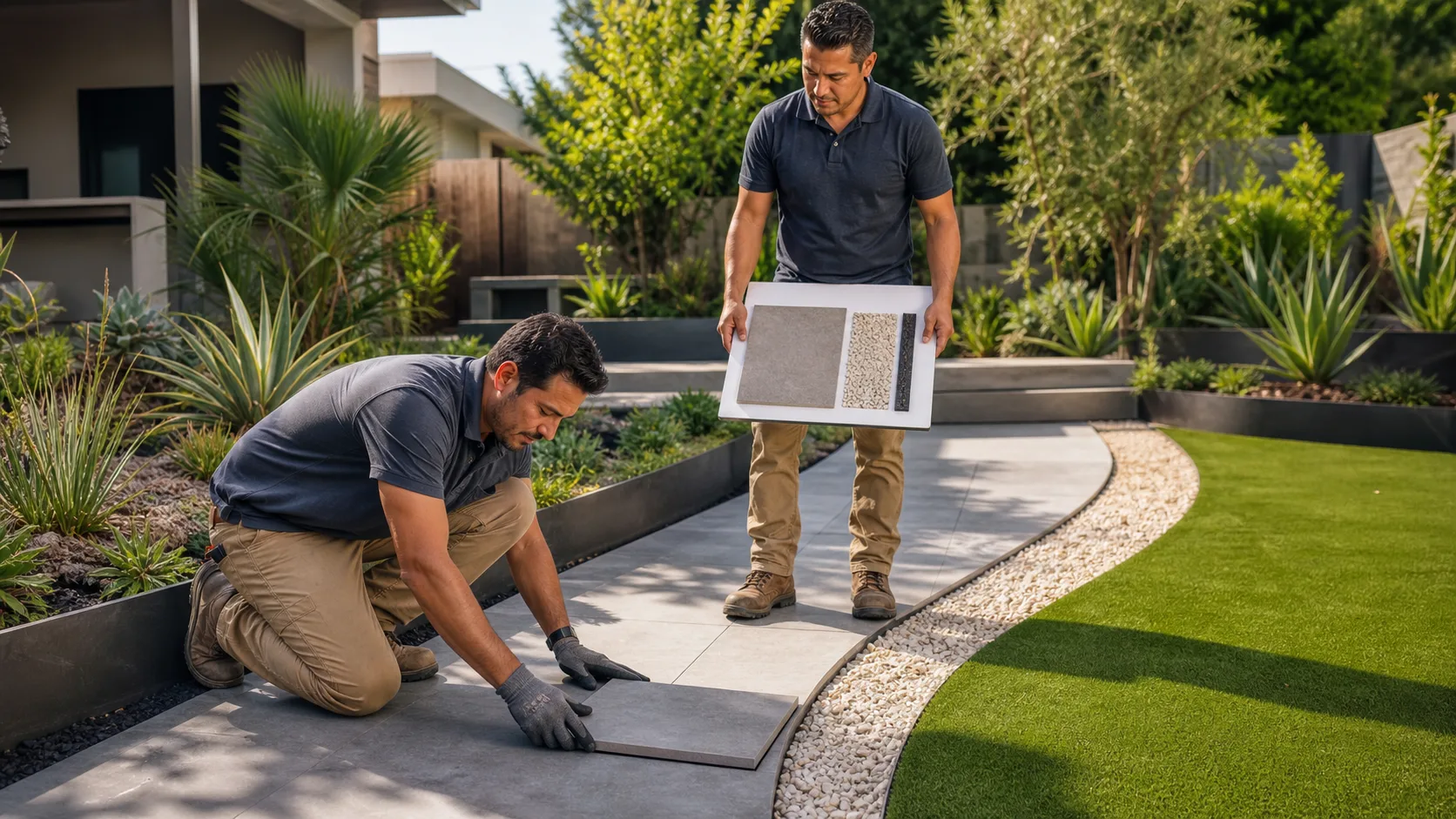
Design Garden Paths That Elevate Artificial Turf
Artificial turf keeps your yard green without constant mowing, watering, or mud. When you pair it with the right garden path materials, the whole space feels finished, welcoming, and ready for guests any time of year.
Good paths do more than just get you from one spot to another. They protect the edges of your turf, guide traffic so people are not stepping on seams, and keep dirt off shoes as people move from the yard into the house. That really pays off during busy fall weekends and holiday get-togethers.
In this guide, we will talk about how different garden path materials work with synthetic grass, how design choices affect comfort and flow, and what installation details help protect your turf. We will also walk through care tips so your paths and turf stay clean and sharp season after season.
How Garden Path Materials Interact with Artificial Turf
Every path material affects how your turf looks and performs. When you are planning where turf and hardscape meet, it helps to think about heat, drainage, and stability.
Heat is a big one in the Los Angeles area. Darker stones and dense materials can get hot in the sun, and that warmth can spread into nearby turf. Lighter colors and textured surfaces tend to feel more comfortable underfoot on warm afternoons.
Drainage is another key detail. When water hits your path, where does it go? If the base under the path drains better than the base under the turf, water can collect along the edge and create soft spots or odors. Matching the drainage style on both sides helps:
- Use compatible base materials for both turf and hardscape
- Keep path and turf at similar heights so water does not pool at transitions
- Grade everything so water runs away from the house and toward safe drainage areas
Stability matters too. If the base under the path is not compacted well, pavers or stones can shift and sink. That creates trip hazards right where people step off the path onto the turf. A solid base under the path and a well-compacted base under the turf help both last longer.
Jointing materials also play a big part. Sand, polymeric sand, or small gravel can slowly move onto the turf if edges are not contained. That can:
- Work down into turf fibers and be hard to remove
- Scratch blades or backing when you brush or clean the turf
- Shorten the life of the turf in high-traffic edges
Good edging, clean transitions, and the right joint material keep the path neat and the turf cleaner.
Best Hardscape Materials for Paths Beside Synthetic Grass
When you think about garden path materials next to artificial turf, a few options tend to work especially well.
Pavers are one of the most popular choices. They offer:
- Strong, durable surfaces for high-traffic paths
- Clean, straight edges that line up nicely with turf
- Many colors and patterns for modern or classic looks
Choose pavers with a comfortable thickness for foot traffic and a textured surface so they are not slippery on damp mornings or after watering.
Natural stone and flagstone give a softer, more organic look. Each piece is unique, with color tones that blend well with fall plants and decor. Irregular stone can be set tight together for a solid walkway or spaced with:
- Narrow turf strips between stones
- Gravel or decomposed granite joints
- Ground cover plantings in other parts of the yard
This breaks up large areas of artificial grass and makes the space feel more relaxed.
Gravel and decomposed granite bring a casual, informal style. They are permeable, so water can drain through them easily. They often work well for:
- Side-yard paths
- Low-traffic garden walkways
- Utility paths around storage or trash areas
To keep loose rock from drifting into the turf, it helps to use stabilizing grids under the gravel, sturdy edging, and a gentle slope away from the grass.
These types of hardscape materials are common choices for DIY projects and contractor jobs in our area because they pair so well with synthetic grass layouts.
Smart Design Tips for Turf-Friendly Path Layouts
A good layout starts with comfort and flow. Think about how people actually move through the yard. Main paths that connect patios, grills, seating areas, and gates usually feel better at a comfortable walking width. Curves can make the space feel relaxed, while straight lines give a clean, modern style.
Some helpful layout ideas:
- Draw primary routes first, then add smaller branch paths if needed
- Keep long seams in turf away from main walking lines when you can
- Use paths to protect turf in high-traffic zones, like around grills and doors
Seasonal use matters too. During fall, there may be more guests, more outdoor meals, and more foot traffic. That is a good reason to:
- Widen the main entry path so people are not stepping on turf edges
- Use slip-resistant materials near hose bibs or irrigation heads
- Plan routes that keep shoes cleaner when leaves and debris start to fall
Visually, you want harmony, not chaos. Choose path colors that work with your artificial turf shade and any existing patios or walls. Some people like strong contrast, such as deep gray pavers against bright green turf. Others prefer softer, closer tones. Borders and inlays can help separate surfaces while still keeping a unified look.
Installation Essentials That Protect Your Turf Investment
Good installation is what makes nice materials perform well. A shared-base approach often works best when turf and pathways meet.
In simple terms, you have:
- Subgrade, the native soil, shaped and compacted
- Compacted base, usually a crushed rock blend suitable for our local conditions
- Bedding layer, like sand or fine gravel under pavers or stone
Matching the depth and compaction on both sides of the path-to-turf transition helps water move through evenly. It also keeps surfaces at similar heights so you do not get raised lips or sunken edges.
Edging and transitions are where many projects succeed or fail. Strong edging between path materials and turf helps:
- Hold pavers, stone, or gravel in place
- Keep turf infill from spilling onto the path
- Maintain clean, crisp lines over time
For protection during work, it often helps to install paths before you lay turf. If the turf is already in place, covering it with boards or tarps while you move base rock and pavers can prevent damage. Heavy equipment should not sit directly on synthetic grass, since that can crush fibers and affect the base.
Easy Care Tips for Paths and Turf Through Fall
Once everything is installed, care can be simple. Short, regular routines do more than big cleanups once in a while.
A basic maintenance plan can include:
- Blowing or sweeping leaves off paths and turf
- Lightly brushing turf fibers upright along path edges
- Checking for missing joint sand or loose stones on walkways
For stains and messes, quick action makes a difference. Pumpkin residue, food spills from gatherings, or muddy pet paws can usually be managed with:
- Rinsing the area with water soon after the mess happens
- Using a mild cleaner that is safe for both turf and stone or pavers
- Gently brushing the turf once it is rinsed so fibers do not mat down
Long-term, some materials like pavers or certain stones can benefit from occasional sealing, depending on product type and use. Gravel paths may need fresh material added from time to time, and joint sand between pavers might need to be topped off. Staying ahead of these small tasks keeps both the garden path materials and the artificial turf looking fresh and ready for whatever the season brings.
Get Started With Your Project Today
Transform your outdoor space with the right foundation by exploring our curated selection of garden path materials tailored to your design and budget. At Mr. Pavers, we help you choose options that not only look great but also stand up to real-world use. If you would like guidance on planning or estimating your project, contact us and we will walk you through the next steps.