Ensuring Long-Lasting Cement Products For Driveways
When it comes to building a strong and reliable driveway, few materials offer the same toughness as cement. A good cement surface can handle the weight of vehicles, stand up to years of weather, and keep looking clean with minimal effort. But getting that kind of long-lasting result doesn’t just depend on pouring and walking away. The material you choose plays a big part in how well your driveway holds up over time.
From wear and tear to cracks and weeds, driveways take a lot of punishment. That’s why it makes sense to pick high-quality cement products and use the right installation methods. The goal isn’t just to get the job done, it’s to make sure it lasts. Whether you’re starting from scratch or replacing an old surface, the right cement can save you time, money, and frustration down the road.
Mr. Pavers has provided California homeowners and contractors with reliable cement materials since 1993. With decades of hands-on knowledge, we help customers find the right solutions to suit their space, climate, and budget.
Choosing The Right Cement Products
Not all cement is created equal, and not every mix is built for the same type of use. Driveways take constant pressure and exposure, so the cement you use has to be both tough and steady. Knowing which type works best for your space and how to spot long-lasting mixes makes all the difference.
Here are a few common types worth knowing about:
– Standard Portland Cement: This is widely used for driveways and offers a solid balance of strength and affordability. It sets quickly and holds up well when installed correctly.
– High-Strength Cement Mixes: Ideal for areas that need extra load support, like wider driveways or those used by heavy vehicles. These blends include special additives that increase resistance to cracking or erosion.
– Fiber-Reinforced Cement: This option has built-in synthetic or natural fibers that improve durability. It can help lessen surface cracking and boost overall longevity.
– Air-Entrained Cement: Useful in regions with harsh winters or lots of freeze-thaw cycles. The small air pockets help absorb expansion, lowering the risk of cracking.
When picking a cement product, think about what your driveway needs to handle. A narrow residential lane with a few cars has different demands than a large surface meant for work trucks or RVs. Also consider the weather conditions in your area.
Some other things to keep in mind:
– Climate: Certain mixes perform better in extremely hot or cold weather. If you’re in a region with constant freeze-thaw changes or high heat, make sure your product is built for that environment.
– Surface finish: If you want a smooth, brushed, or textured look, some products are easier to work with than others.
– Set time: If you’re working on a deadline, fast-setting mixes may be helpful, but you’ll want to make sure they still offer long-term strength.
Choosing the right mix helps reduce future issues, including surface flaking, cracking, and stains. Taking time to ask questions or study the label can pay off over several years of use.
Proper Installation Techniques
Once you’ve chosen your cement, laying it down the right way is just as important. Proper installation stops a lot of problems before they start. Even small mistakes during the process can lead to uneven spots, cracks, or early wear.
Here’s a step-by-step guide that covers the basics:
1. Leveling: The ground underneath must be compact, stable, and graded to allow water to drain properly. Drainage is key to stopping water from weakening the cement over time.
2. Mixing: Follow instructions closely when mixing the product. Too much or too little water can mess with the strength of the final slab.
3. Pouring: Spread cement evenly with a shovel and screed board. Work in sections and avoid pouring too much at once.
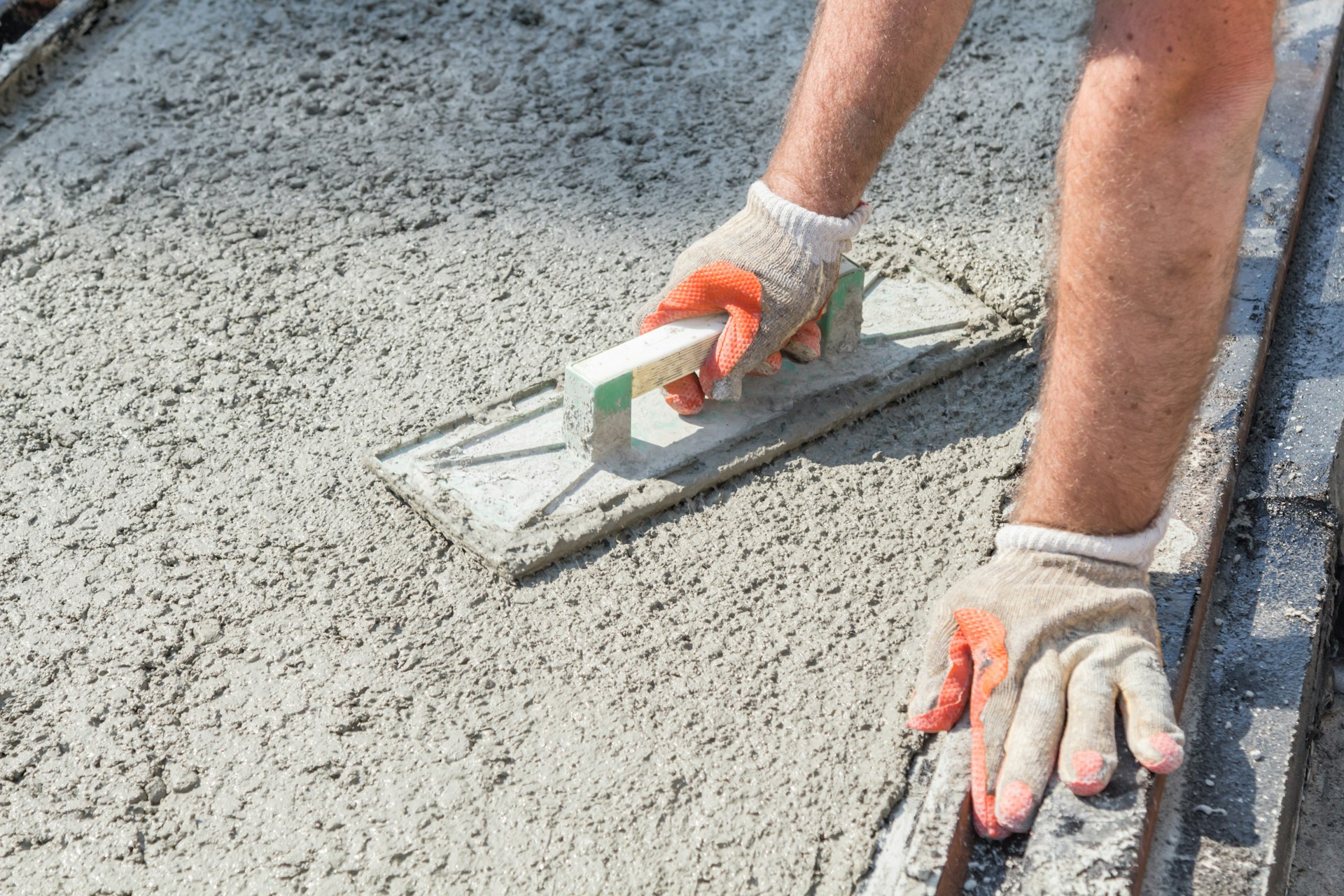
4. Finishing: After leveling the mix, smooth the surface with the proper tools. Apply the finish look, whether it’s broomed, textured, or troweled smooth.
Curing: Let the cement cure over several days. Use covers or curing compounds to help control evaporation, especially if it’s hot or windy.
Rushing this process can hurt how well the cement bonds and sets. Uneven pouring, skipping the compacted base, or being careless with the finish usually leads to patches, cracks, or water stains later.
Maintenance Tips for Longevity
Once your driveway is finished and set, a few simple habits can keep it in good shape. Regular care makes a big difference in appearance and lifespan.
Cleaning: Use a broom or low-pressure hose to clean off dirt, leaves, and debris. For tougher oils or stains, scrub gently with water and mild soap. Avoid anything too acidic or harsh that could eat at the surface.
Sealing: Every two or three years, apply a quality sealer to keep water, oils, and UV rays from soaking into the cement. A sealed surface is easier to clean and helps reduce cracks or fading.
Crack repair: Don’t let small cracks grow into bigger ones. It’s best to address any wear and tear as soon as you spot it.
Follow these steps when fixing cracks:
– Sweep or wash the area to clear out loose debris.
– Use a cement crack filler that matches your surface.
– Fill the crack fully and smooth it out for a seamless finish.
– Let it dry according to the product’s instructions before walking or driving on it.
Avoid using deicers with harsh salts or chemicals during the winter. These can cause surface damage over time, especially with freeze-thaw cycles. Instead, go with sand or a more cement-safe product when traction is needed.
Benefits of Hiring Professionals
Installing a cement driveway might seem like a job you can do on your own, but there are real benefits to hiring a professional. Skilled installers know how to avoid common mistakes and bring the tools and knowledge needed to handle surprises.
Professionals make sure the base is stable, the mix is consistent, and everything sets properly. With their help, you don’t have to worry about long-term issues like poor drainage, shifting cement, or uneven areas. All of these can lead to extra costs and frustration down the line.
Mr. Pavers works with experienced contractors who understand how to match the right products to the right jobs. Whether it’s figuring out what cement mix works best for your location or finishing your driveway so it stays sharp-looking for years, we’re here to help guide the process.
A professionally installed cement driveway not only lasts longer but also boosts your home’s visual appeal. Proper planning and expert work can reduce the need for frequent touch-ups and repairs.
Upgrade Your Driveway with Mr. Pavers’ Cement Products
Picking the right cement isn’t just about buying a bag and pouring it. From mix selection to application to long-term care, every step matters. A durable driveway gives back year after year, saving you time and repair costs.
With the right cement products and expert advice, you get results that hold up to changes in weather, traffic flow, and wear. Mr. Pavers has helped homeowners and contractors build great-looking surfaces since 1993. We carry quality mixes for a wide range of needs and can help guide you to what works best. Whether you’re building a new driveway or upgrading an old one, we have what it takes to help you get the job done right.
To make the most of your driveway project and ensure it stands up to daily wear and tear, choose high-quality materials. Explore the range of cement products available at Mr. Pavers and get everything you need to build a durable, great-looking surface that lasts for years.