Maximize Moisture Retention With Mulch
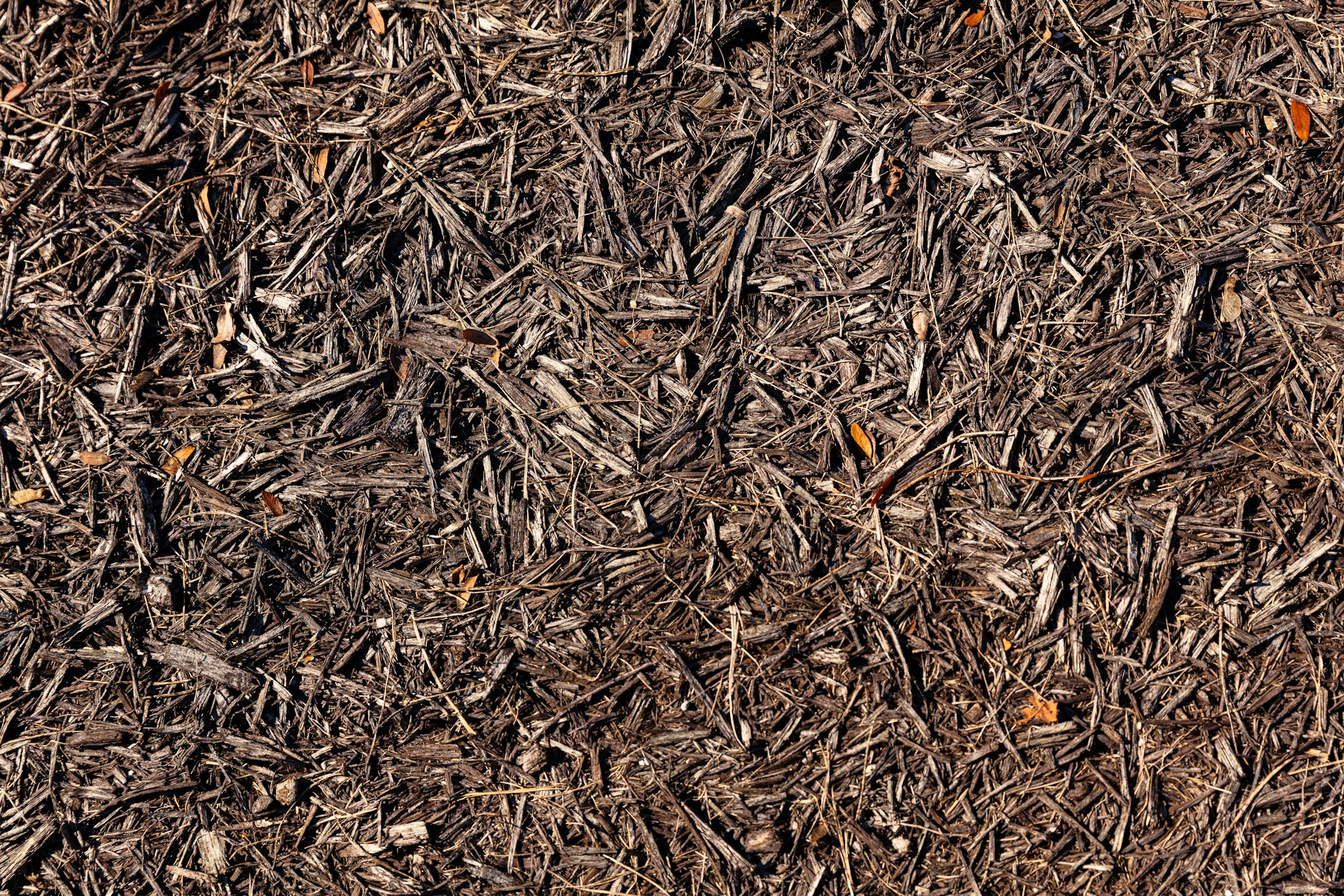
Watering a garden can feel like a never-ending task, especially during the late-summer months when heat hangs heavy and moisture disappears quickly. That’s where mulch steps in. It’s one of the most useful materials for gardeners looking to keep their soil damp longer without constantly reaching for the hose. When used right, mulch acts like a shield, locking in water and keeping roots healthy during dry spells.
Using mulch the right way doesn’t just keep plants happy. It also frees up your time and cuts down on water waste. From basic bark chips to rocky top layers, mulch comes in many forms and works in more ways than most people realize. And when paired with quality mason supplies like edging stones or sand bases, mulch performs even better, settling into place where it belongs. Whether you’re refreshing a tired garden bed or starting fresh, learning how mulch impacts moisture is key to getting great results.
Benefits Of Mulch In Moisture Retention
Mulch isn’t just about looks. It plays a key role in helping the soil stay moist and reducing how often you need to water. When spread across garden beds, mulch creates a barrier that blocks sunlight and wind from reaching the soil directly. Less exposure means less evaporation.
Here are a few ways mulch helps with moisture retention:
– Slows soil drying by shading the surface
– Helps keep moisture near plant roots
– Reduces splash from rain or irrigation, which stops soil from eroding
– Keeps temperature more stable, which helps slow down water loss
– Acts as a soft cushion to reduce water runoff
This layer also helps protect plants during unpredictable weather swings. When summer hits hard with long dry weeks, mulch helps the soil hold on a little longer. In cooler months, it gives roots a buffer against sudden changes in temperature.
Another bonus is that mulch can reduce soil erosion. When wind or water hits bare dirt, it tends to carry topsoil away with it. A good mulch layer holds the soil steady, protecting it during downpours and windy days. Less erosion means better structure, which also helps the soil hang onto water better.
For example, if you’ve got a vegetable bed that dries out too fast, adding a few inches of shredded bark over the soil can extend the time between waterings and keep your tomatoes from wilting. It’s a small step that makes a noticeable difference with very little effort.
Mulch does a lot behind the scenes, helping your plants thrive while lowering the time you spend dragging a hose.
Types Of Mulch For Maximizing Moisture Retention
Picking the right mulch depends on what you’re planting and how you want the yard to look. You’ve got two main categories to work with: organic and inorganic. Both types help with water retention, but they do it in different ways and suit different kinds of spaces.
Here’s a closer look:
1. Organic Mulch
These types break down over time and enrich the soil. They include:
– Bark chips and shredded wood
– Straw or hay
– Compost
– Dried leaves or grass clippings
Since they decompose, they add nutrients to your soil, which is great for flower beds and veggie gardens. However, they’ll need to be topped off every so often.
2. Inorganic Mulch
These don’t break down and are better for long-term use.
– Gravel and decorative rocks
– Plastic sheeting or landscape fabric
They’re great for areas around pathways, patios, or low-maintenance spaces. They won’t feed your soil, but they’re perfect for keeping moisture in and weeds out with minimal upkeep.
A few things to keep in mind when choosing mulch:
– Match the mulch to the plants. Organic mulch is better near flowers and produce.
– Consider looks. Do you want the mulch to blend in or make a bold statement?
– Think about how much time you can spend on upkeep. Organic types need more topping off.
– Check for slope or drainage. Heavy rain may wash away lightweight mulch like straw.
Your mulch choice can change how your garden performs all season. The right layer shows results fast and keeps the space working for you, not the other way around.
The Role Of Mason Supplies In Effective Mulching
Quality mason supplies can make all the difference when applying mulch. Think of these materials as the foundation that supports and protects the mulch, helping it perform better for your garden. For example, sand bases or stone edges can keep mulch from migrating or thinning out, ensuring it stays right where it needs to be.
Using the right mason supplies enhances mulch effectiveness by providing a stable base. This reinforcement minimizes erosion, which keeps your mulch in place even when rainstorms hit or strong winds blow through. Solid edging around your garden can act as a retainer, making sure the mulch stays densely packed and doesn’t spill over into other areas.
Here’s how mason supplies add value to mulching:
– Edging Stones: Define garden boundaries and prevent mulch from spreading
– Gravel Bases: Offer a solid foundation for heavier mulch types
– Sand Layers: Help maintain mulch uniformity by creating an even surface
Incorporating these elements when planning your mulch placement ensures that the mulch does its job efficiently. They provide structure and enhance overall durability, which lets mulch extend its water retention and soil protection features even further. Investing a bit in mason supplies during your next garden makeover can mean less maintenance down the line.
Steps To Apply Mulch For Optimal Moisture Retention
Taking the time to apply mulch correctly is just as important as selecting the right type. Here’s a straightforward approach to setting up your mulch for success:
1. Prepare The Garden Bed
Clear the area of weeds, old mulch, and debris. Rake the surface to even it out, making it ready to hold new mulch effectively. This prep will help the mulch settle better and stay put.
2. Select And Spread The Mulch
Pick the best mulch suited to your plants and yard style. Spread a layer of mulch approximately two to three inches thick across the garden bed. Be sure to avoid piling it too close to plant stems as this can lead to rot.
3. Maintain The Mulch Layer
Pat mulch down gently with your hands or a rake to make sure it sits evenly. Check for thin spots that might develop over time, adding more mulch as needed to maintain coverage. Regular monitoring helps you spot and fix any issues before they become big problems.
When mulch is correctly applied, it keeps your garden greener and healthier without much fuss. It makes a noticeable difference in how well your plants fare through varying weather conditions by holding moisture close to their roots.
Refresh Your Garden With Mulch From Mr. Pavers
Using mulch is a game-changer for garden maintenance, offering more than just a polished, finished look. It locks in moisture, reduces erosion, and keeps plants thriving through all seasons. By selecting the right type and using mason supplies, you’ll find that mulching can save you time and effort while boosting your garden’s overall health.
Taking these simple steps also means you’ll enjoy a more self-sustaining garden. Your plants stay hydrated with less watering, and the soil remains in place even during tough weather. So the next time you’re looking to refresh or enhance your garden, consider how mulch can meet your needs. Implement these methods strategically, and watch your outdoor space transform into a lush, vibrant haven quietly working in harmony with nature.
Elevate your garden’s moisture retention with the right materials. Whether you’re upgrading existing beds or starting new ones, using effective mason supplies ensures your mulch performs at its best. At Mr. Pavers, we’re dedicated to helping your garden stay healthy and vibrant. Let us provide the durable materials that support a thriving outdoor space.