Selecting The Right Construction Tools For Outdoor Projects
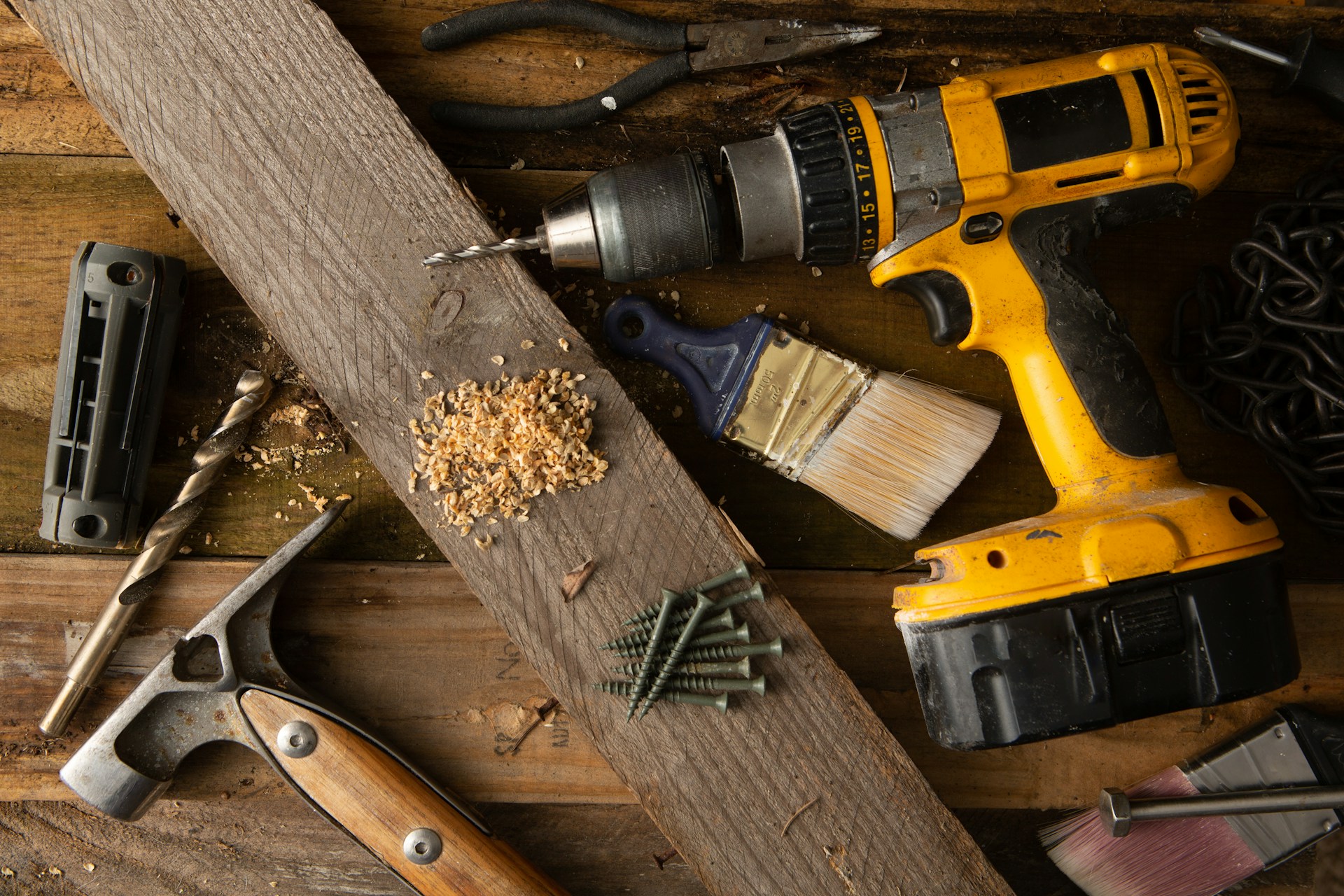
The right tools can make or break an outdoor construction project. Whether you’re building a patio, laying pavers, or working on your backyard garden wall, the tools you choose play a big role in how the project turns out. The last thing you want is to be halfway through a task and realize you’re missing a tool or using one that’s slowing you down. Investing in tools that match the job allows you to work more efficiently and end up with cleaner, stronger results.
Good tool choices also help save time and lower the risk of injury. Some tools are made for comfort and are easier to handle, while others are built with outdoor durability in mind. Knowing which ones to use for a project lets you stay organized and avoid mid-project hang-ups. Whether you’re a homeowner figuring things out or working with a crew, starting with the right setup is the first step to getting the job done right.
Understanding Different Types of Construction Tools
Not all construction projects need the same setup. Outdoor work often includes a mix of digging, cutting, measuring, and smoothing, and there’s a wide variety of tools out there for each of these steps. Understanding what’s available helps you plan better and work smarter.
Here’s a breakdown of the main types of tools you’ll likely use:
– Hand tools: These are your go-to items for control and precision. Shovels are used for digging and moving soil or gravel. Trowels are helpful for spreading and smoothing mortar or cement, especially on smaller surfaces. Hammers are necessary for framing, installing edging, or securing forms and stakes. Hand tools are especially useful when working in tight spots or when you need to be more careful around existing spaces.
– Power tools: These speed things up and reduce the physical strain. Drills make quick work of holes in wood, cement, or stone. Saws come in handy for cutting lumber, concrete blocks, or pavers. If you’re mixing cement or mortar, a cement mixer does the work much faster and more thoroughly than mixing by hand. These tools are especially helpful when the job is large or time-sensitive.
– Specialty tools: These tools are more focused and help with getting things just right. Levels and laser levels make it easier to align surfaces so they’re even. Measuring wheels and tape measures help make sure your layout is accurate. Tampers compact soil or sand, giving you a strong base underneath patios or walkways. Brick splitters or block cutters provide cleaner cuts than basic saws or chisels.
For example, if you’re building a backyard paver patio, you’ll need a compactor to prep your base, a level to make sure the surface doesn’t slope or dip, and a paver cutter to trim pieces that don’t quite fit. Using the wrong tools for these tasks could result in a surface that shifts, settles, or holds water over time.
Picking the right type of tool always depends on what you’re working on, the size of the project, and the kind of materials you’re using. Once you know what to expect from each tool, putting your project plan together gets a lot easier.
Key Considerations When Choosing Construction Tools
Nobody wants to be replacing tools every few months, especially when working outside where exposure to dirt, water, and hard materials is expected. That’s why choosing the right tools isn’t just about what they do — it’s also about how they perform under tough conditions.
Here are a few things to focus on when picking construction tools:
1. Durability and Build Quality
Make sure the materials stand up to outdoor use. Tools with metal or fiberglass handles tend to last longer than wood. Stainless steel or powder-coated finishes resist rust. Joints, hinges, or moving parts should feel strong and well-connected, not loose or flimsy.
2. Versatility
Some tools can do more than one job, which helps cut down on clutter in your workspace. For example, a combination square works for measuring, marking, and leveling. Multi-bit drills or saws with changeable blades let you adapt quickly as the job shifts.
3. Comfort and Grip
If you’re using a tool for several hours, little things like grip material and balance start to matter. Look for ergonomic designs, padded handles, and tools that feel right in your hand. A comfortable setup keeps you more focused and less likely to end up with sore wrists or strained shoulders.
4. Tool Size and Weight
A tool that’s too heavy or too light won’t work the way it should. For outdoor projects where tasks repeat over and over, you want a tool that feels balanced — not one that drags you down or doesn’t have enough force behind it.
Buying quality tools focused on these areas ends up saving time and money — fewer breakages, fewer replacements, and more reliability through the lifespan of your outdoor projects. Even more, they help ensure you finish strong, no matter what kind of work you’re taking on.
Must-Have Tools for Common Outdoor Projects
Without the right tools, even the smallest outdoor tasks can quickly become a hassle. Whether you’re into landscaping, hardscaping, or regular maintenance, having the right equipment ensures everything goes smoothly.
For landscaping projects, the right tools make planting and maintaining gardens more manageable. Shovels and spades help in digging and moving soil effectively. A good pair of pruning shears is helpful for keeping plants in shape and looking great. When it comes to creating clean garden edges, a half-moon edger makes this simple and neat.
When tackling hardscaping projects, where precision meets muscle, the tools should match the task’s demands. A masonry saw or paver cutter is useful for sizing down bricks, stones, or pavers. Plate compactors firmly set paving stones, ensuring they stay put and form a strong surface. Use a rubber mallet for adjusting and securing pavers without causing damage.
Maintenance projects often focus on keeping outdoor areas safe and looking good. A high-quality leaf blower helps clear walkways and patios. A sturdy pressure washer keeps surfaces clean and free from grime. If cracked walkways or chipped pavers need attention, having patch kits or surface repair tools on hand makes those fixes quicker and less frustrating.
Maintenance and Storage Tips for Construction Tools
Construction tools endure a lot, from being dragged through the dirt to being exposed to varying weather conditions. Proper care and storage play big roles in extending the life of these tools and keeping them ready to perform.
1. Cleaning
After each use, wipe down tools with a cloth to remove dirt and debris. For tools exposed to cement or similar materials, a gentle rinse may be needed to stop deposits from hardening.
2. Storage
Keep tools dry and organized. A toolbox or shelving unit in a covered shed or garage works great. When there’s space, consider wall-mounted racks for items like shovels, rakes, and hoses.
3. Preventing Rust
Metal tools benefit from a light coat of oil to hold off rust. After heavy rain or wet conditions, check your tools and remove any buildup with a metal brush or light sandpaper.
4. Regular Inspections
Look for signs of wear or damage on a consistent basis. Handles should be secure, and any moving parts should work smoothly. Fix worn items right away to avoid injury or further damage.
Equip for Success with Mr. Pavers
Choosing the right tools goes hand in hand with getting outdoor work done right. Whether you’re keeping your garden in shape, laying a paver walkway, or cleaning up a patio, selecting well-made tools makes those jobs smoother. Good tools don’t just make things faster — they make jobs easier and more enjoyable.
When you put thought into what you use and take care of your tools, you’ll notice the difference. You can count on better results and avoid costly delays or repairs. Every outdoor project starts with good planning and the right equipment to back it up.
Equip yourself with the best tools for your next outdoor project with Mr. Pavers. Our extensive selection ensures you have everything you need to transform your project with efficiency and precision. Whether you’re maintaining a garden or setting the foundation for a new patio, we provide the quality and expertise necessary to see your vision through. Discover how having the right equipment can make your outdoor tasks easier and more enjoyable.