Using Mulch To Improve Soil Aeration
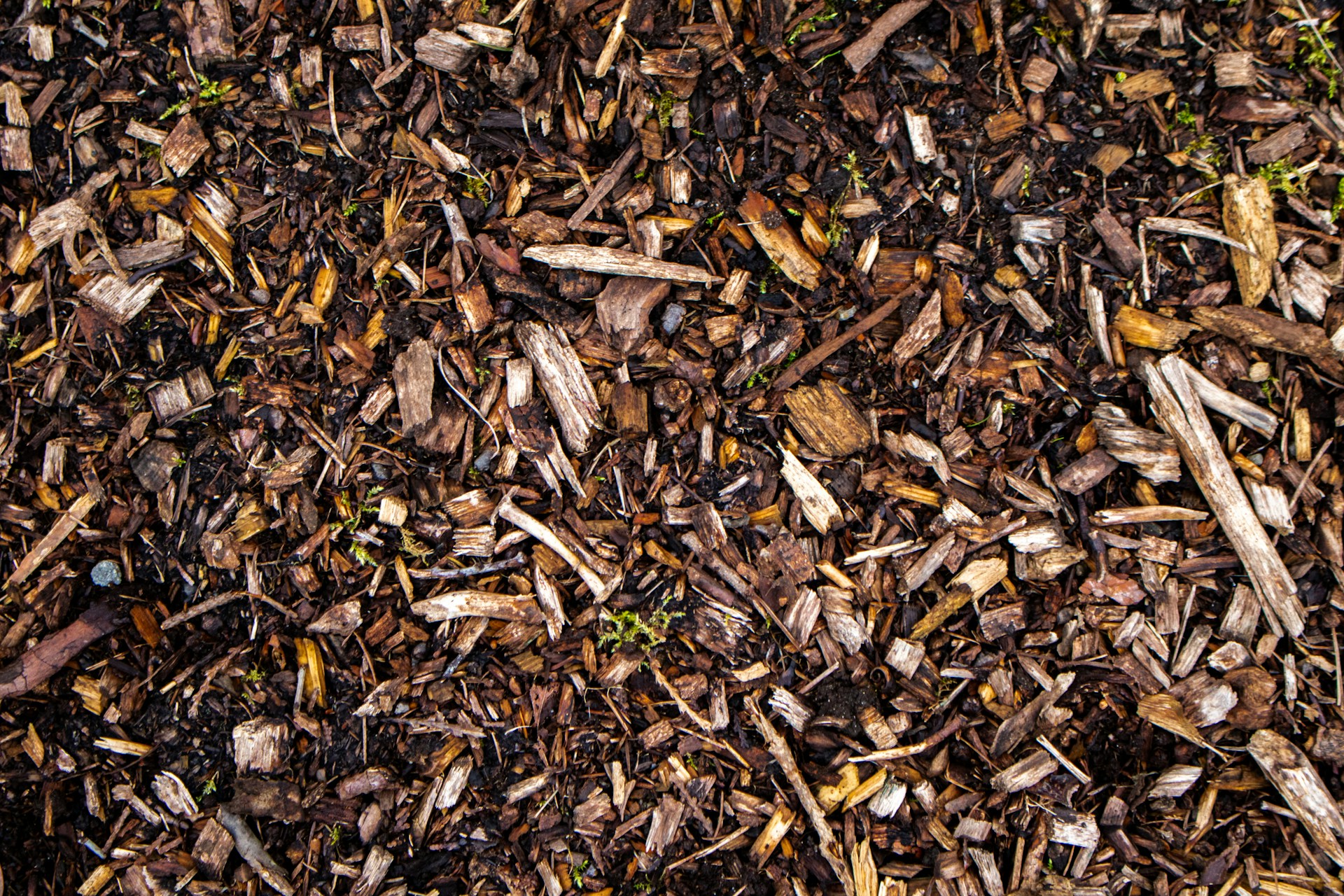
Getting soil to breathe might sound strange, but that’s exactly what good gardeners try to do. When soil has room for air, roots grow stronger, water drains better, and plants thrive. The problem is, soil doesn’t always stay loose on its own. Foot traffic, watering, and weather can press it down, making it hard for roots to stretch and take in what they need. That’s where the right garden habits and materials make all the difference.
One trick many people overlook is using mulch. Most think of mulch as a cover to stop weeds or hold moisture, but it does more than that. The right kind of mulch actually helps improve how air flows through the soil. If you’ve been wondering how to build better soil structure without digging everything up, adding mulch might be the step you’ve been missing. Here’s a closer look at how that works and how to use mulch the right way to help your garden breathe.
Understanding Soil Aeration
Soil aeration means that the dirt under your plants has small pockets of air between particles. This air helps roots breathe and gives room for water to reach further down. When soil gets packed too tightly by walking over it, using heavy tools, or even strong rains, it starts to lose those pockets. Over time, this can lead to water pooling on top, poor root growth, and even dead patches in your garden.
Poor aeration doesn’t always show up right away. Sometimes plants just stop growing, or the ground feels hard no matter how often you water it. You might notice puddles after a light rain or roots that never seem to spread. These are all signs that it might be time to loosen the soil and give it a little more room to breathe.
That’s where mulch comes in. It sits on top of the soil, breaking the force of rain and keeping heavy tools or shoes from pressing the dirt down. As natural mulch breaks down, it also draws in helpful bugs and worms that move through the soil, creating openings for more air and water. This simple layer on top can create a much healthier environment underneath.
Types Of Mulch That Help With Soil Aeration
Not all mulch works the same way, especially when it comes to improving soil aeration. Some types are better at keeping soil loose and full of oxygen, while others are designed for appearance or moisture control. To pick the right one, it helps to know what each type does and where it works best.
Here are a few types of mulch to look for if you want better soil airflow:
– Wood Chips: These break down slowly and stay loose, making it easier for air and water to pass through. They work well around trees, flower beds, and garden borders.
– Straw: Lightweight and full of small gaps, straw lets air in easily. It’s a smart option for vegetable gardens because it also keeps plants off damp ground and cuts down on rot.
– Shredded Leaves: Easy to collect in the fall, shredded leaves create a soft layer that shields soil and adds nutrients as they break down.
– Bark Nuggets: These stay in place in windy or sloped areas. While they don’t break down as quickly, they do a good job of stopping the soil from getting packed down.
– Gravel or Stone: While not organic, these help stop soil from being pressed down and let water flow between pieces. They’re often used in xeriscaping or paths where airflow is still important.
Each mulch type supports soil health in a unique way. If you’re refreshing a flower bed, shredded leaves could be best. For a dry spot that doesn’t need regular attention, gravel might be the smarter choice. The main goal is to protect the soil underneath and keep it from hardening over time.
Benefits Of Using Mulch For Soil Aeration
Beyond looks or saving water, mulch plays a quiet yet key role in keeping your garden soil healthy and breathable. One of its biggest jobs is preventing compaction. Soil compaction squeezes out the tiny gaps roots rely on for air and water. By covering the soil with mulch, you protect those spaces and keep the soil light and fluffy underneath.
Mulch also does a great job of holding onto moisture. After a rain or watering session, it captures water and slowly releases it to the plants. This keeps roots hydrated longer and cuts down on how often you need to water. It also helps with temperature swings, keeping the soil cooler during hot spells and warmer when it gets cold.
Another helpful benefit comes from the tiny life working in the soil. Mulch attracts helpful microorganisms and worms. These natural soil workers feed on organic mulch and break it down into nutrients. Their movement under the surface adds even more air spaces and improves the structure of the soil. On top of that, mulch helps hold soil in place, keeping erosion at bay, especially on incline spots or during heavy rains.
How To Apply Mulch For Optimal Soil Aeration
Getting the full benefits of mulch means putting it down the right way. It’s not hard, but a few simple steps make all the difference.
1. Prepare the Ground: Start by clearing away any weeds or dead plants. This stops them from growing through the mulch later on.
2. Choose the Right Depth: Apply mulch so it’s about 2 to 4 inches thick. If it’s too thin, it won’t help much. If it’s piled too high, the soil might not get enough air.
3. Keep It Consistent: Spread mulch evenly around plants and trees. Don’t let it mound up against stems or trunks, since that can cause them to rot.
4. Refresh As Needed: Organic mulch breaks down slowly. Add more once or twice a year to keep your soil covered and healthy.
By following these steps, your garden can enjoy the full benefits mulch offers. You’ll give plants better soil to grow in while making the whole space easier to maintain over time.
Enhance Your Garden with Mr. Pavers
Mulching is one of those simple changes that can bring better results with less effort. By choosing the right mulch and laying it down correctly, your soil becomes more open to air, absorbs water better, and fosters stronger plant growth. Instead of struggling with hard-packed soil, your garden gets a soft, balanced base that’s full of life.
Over time, you’ll see the difference in how your plants grow and how your yard holds up through the seasons. Mulch helps your soil stay loose and vibrant, while supporting everything that lives beneath it.
When you’re ready to take your garden to the next level, it starts with having the right mulch and advice to apply it well. Mr. Pavers proudly offers a selection of quality mulch and other mason supplies to help you build a lasting foundation for your outdoor space. Whether you’re updating a flowerbed or improving soil for tasty vegetables, we’re here to help you get growing.
Looking to give your garden the best care possible? By focusing on soil health, your plants will thrive and grow stronger. Discover the advantages of using quality mason supplies from Mr. Pavers to take your outdoor space to the next level. Our team can provide guidance and top-notch materials to help you achieve your gardening goals.