Summer Gravel Garden Pathways That Reduce Backyard Dust
Breathe Easier This Summer with Dust-Free Garden Paths
Dry summers in the Los Angeles area are hard on backyards. Bare dirt turns to powder, side yards feel gritty, and every step seems to kick dust onto outdoor furniture and right into the house. When you just want a clean space for grilling, hanging out, and letting kids and pets run around, constant sweeping gets old fast.
Gravel garden pathways give that dust somewhere else to go. With the right base, edging, and gravel, you can turn messy dirt routes into clean, good-looking walkways that stay cooler than solid concrete and are easier to keep tidy. We will walk through why summer dust gets so bad, how gravel paths help, simple layout ideas that work for busy backyards, and what materials make the biggest difference.
Why Summer Dust Is Worse in Los Angeles Yards
Long, dry seasons, watering limits, and tired lawns put many yards under stress. When grass thins out or patches of soil stay bare, the top layer dries and breaks into tiny particles. Every step, paw print, or wheel rolling across that surface stirs up a light cloud that floats onto everything nearby.
Daily life makes this worse, especially in summer when people are outside more. Common dust makers include:
- Kids running from the house to the pool or play area
- Pets racing along the same dirt path to their favorite corner
- Trips back and forth to the grill, trash cans, or side gate
- Guests walking through side yards to reach patios or decks
That fine dust does not just stay in one place. It lands on patio cushions, outdoor tables, cars in the driveway, and ends up tracked inside on bare feet and shoes. When you are trying to get ready for a barbecue or a small gathering, wiping everything down over and over gets frustrating.
Gravel garden pathways give a focused solution. Instead of trying to control dust across every inch of soil, you firm up the main routes people and pets actually use. By covering and stabilizing these high traffic strips, you cut off one of the biggest sources of backyard dust.
How Gravel Garden Pathways Cut Down on Backyard Dust
Loose rock tossed on top of dirt does not solve the problem. It usually sinks, shifts, and mixes with soil, then you end up with the same dust, just sprinkled with stones. A well built gravel path works differently.
A proper path usually includes:
- A compacted base layer to separate soil from the surface
- Edging to hold everything in place
- A top layer of compacted gravel that locks together
These layers act like a shield. By covering bare soil, they keep the top layer from turning into powder. Good drainage is also key. When a quick summer storm hits, water can move through the gravel and base instead of washing soil away and creating more loose particles.
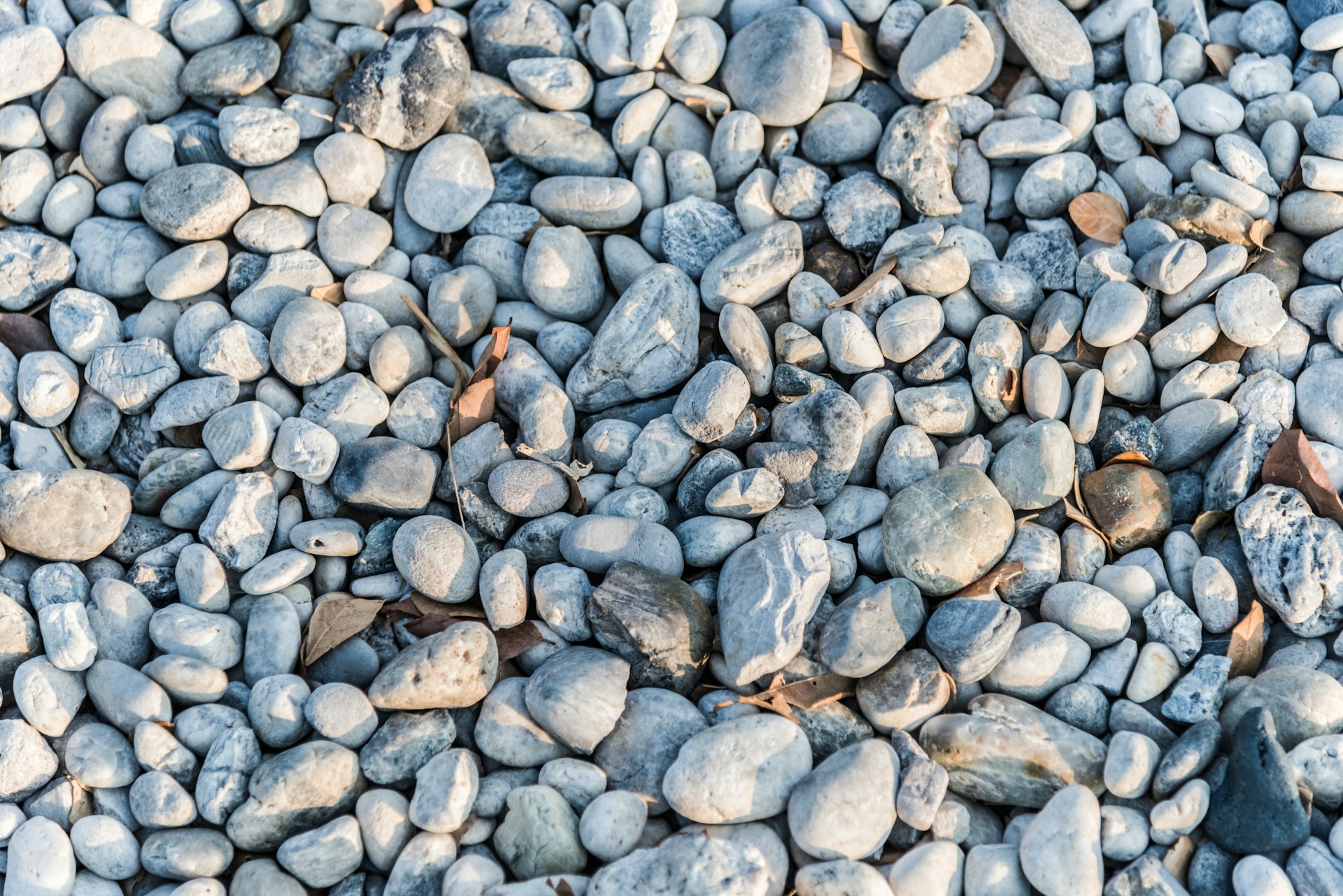
Gravel type and size matter. Angular gravel, crushed stone, or decomposed granite with stabilizer can knit together into a firmer surface. Pieces grip each other instead of rolling like marbles, so they are less likely to grind into dust when people or carts move across them.
You also get nice side benefits in warm weather. Gravel feels cooler underfoot than solid concrete in the afternoon sun. It is simple to top off or rake smooth in high traffic spots. And gravel paths work well next to drip irrigated planting beds, which help keep nearby soil slightly moist and less likely to blow around.
Designing Cool, Comfortable Summer Gravel Paths
Good layout makes a big difference in both comfort and cleanliness. Think about how people really move through your yard in summer. Some smart path ideas include:
- A clear route from the kitchen door to the grill and dining table
- A dry, firm line from house to pool or spa
- Side yard walkways for trash bins, storage, and service access
- Short connectors from patios to gates, sheds, or play zones
Paths should feel easy to walk without thinking about every step. For busy summer backyards, it helps to plan for:
- Enough width so two people can pass without bumping
- Gentle turns instead of tight corners that catch feet or wheels
- A slight slope for drainage, so water never pools under chairs
Gravel garden pathways also look great when blended with other hard surfaces. Stepping stones, paver landings, or small stone pads under seating areas can create stable, dust-free zones around outdoor tables, lounges, and fire features.
For visual cooling, many people like lighter colored gravel that reflects more sun. Paired with drought-tolerant plants, artificial turf, or decorative rock, you can create a simple, low-dust yard that still feels green and welcoming without heavy watering.
Choosing the Right Gravel and Materials for LA Summers
Not all gravel behaves the same under summer use. Some types stay firm and clean, while others scatter or break down faster. For pathways, it helps to understand the basics.
Common options include:
- Pea gravel, small rounded stones that feel soft but roll easily
- Angular gravel or crushed stone, pieces with flat sides and sharp edges
- Decomposed granite, very fine, compactable rock often used with a stabilizer
For most walkways, angular gravel and crushed stone usually hold up better than pea gravel. Because the pieces are not round, they grip and lock together, so feet and wheels do not push them aside as easily. This means less movement, less grinding, and less loose material turning into dust over time.
Under the surface, a base layer is just as important as the top. Materials like class II road base or other compactable gravel create a firm, stable foundation. This separates the soil from the surface layer and helps block dust from working its way up.
Edging is the final piece that keeps everything neat. Metal edging, concrete borders, stone, or pavers can frame the path so gravel does not drift into planting beds or lawn areas. With defined edges, cleaning is simpler because you can blow or sweep without chasing rock all over the yard.
Simple Steps to Install a Summer-Ready Gravel Path
Building a solid gravel path has several stages, and each one matters for long-term dust control and comfort. The process often includes:
- Planning the route and marking it with paint or stakes
- Excavating to the right depth for both base and gravel
- Grading the soil so water flows where you want it to go
- Installing and compacting the base layer in thin lifts
- Adding the pathway gravel, leveling, and compacting again
Key details help reduce dust over time. A slight crown or gentle slope lets water run off instead of sitting on the surface. Compacting both base and gravel in layers makes the path feel firm, not spongy. Keeping gravel depth reasonable also matters, because very deep loose layers shift more and can create more fines.
Some projects are better left to a professional, especially:
- Long paths on noticeable slopes
- Curved designs with tight turns and multiple levels
- Walkways that need to tie into existing patios, steps, or drainage systems
Good planning and material choices at the start make your gravel garden pathways last longer and stay cleaner, so your outdoor space feels more relaxing all summer.
Get Started With Your Project Today
Transform your outdoor space with durable, low-maintenance gravel garden pathways tailored to your landscape and style. At Mr. Pavers, we help you choose the right materials, layout, and details so your path looks great and performs well for years. If you are ready to move forward or have questions about your design, contact us and we will walk you through the next steps.