Selecting Garden Bed Materials That Match Your Hardscape
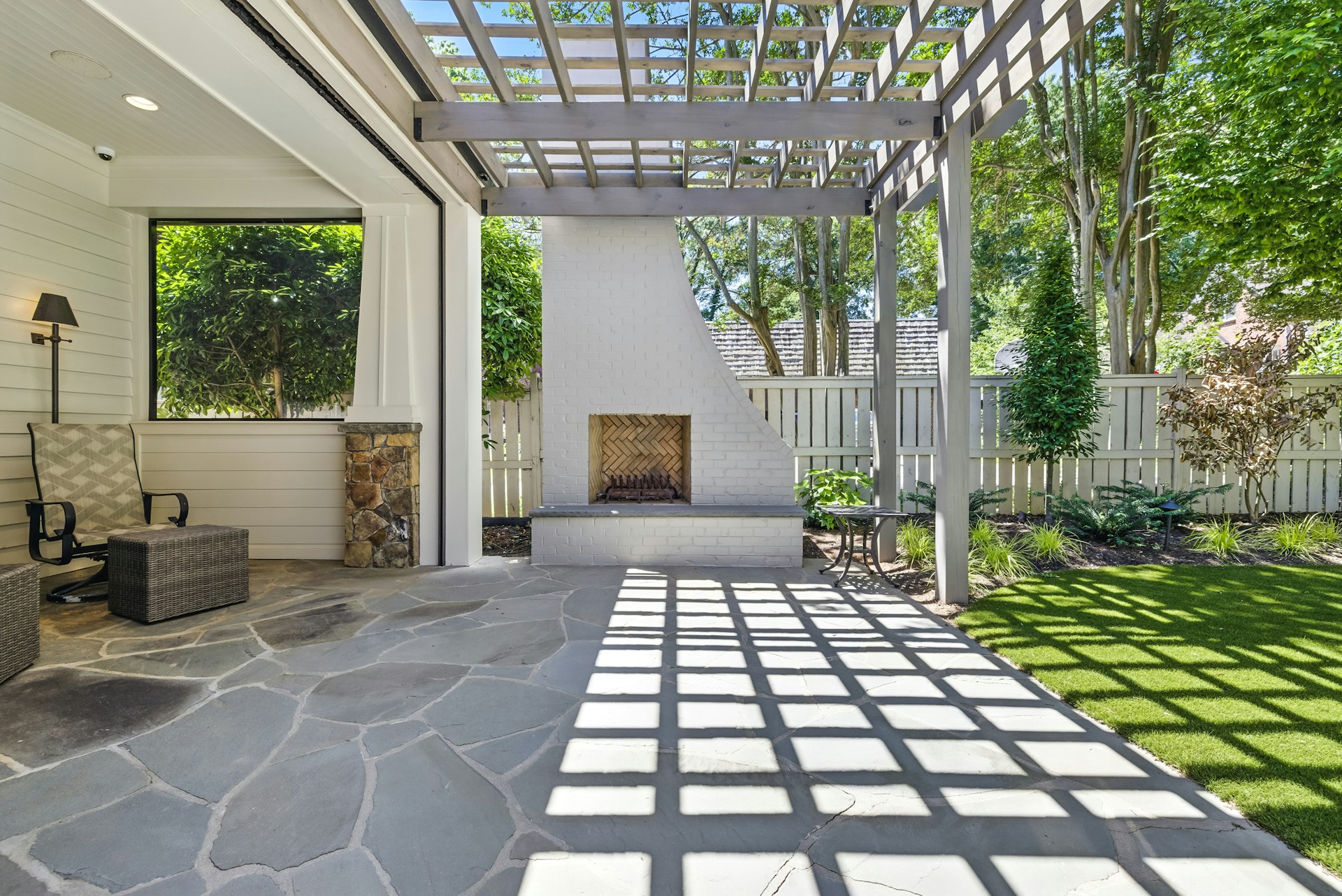
Tie Your Garden Beds to a Cohesive Outdoor Look
Fresh garden beds can make your yard feel new again, but if the materials around your plants do not match your patio or walkways, the whole space can feel a little off. When garden bed materials clash with pavers and stone, the yard can look busy or unfinished, even if the plants are beautiful. When everything works together, the space feels calm, clean, and intentional.
Spring and early summer are great times to refresh both beds and hardscape before plants hit their full growth. With a little planning, you can pick mulch, rock, and edging that tie into your existing patios, paths, and walls. As a local supplier of pavers, stone, gravel, mulch, and other hardscape materials, we see how a few smart choices can pull a whole yard together.
Here, we will walk through how to look at the hard surfaces you already have, how to match colors and textures, and how to choose edging and bed materials that give you a polished outdoor space that holds up through long, sunny seasons.
Assess Your Existing Hardscape Before You Buy
Before buying a single bag of mulch or rock, take a good look at the hard surfaces you already have in your yard.
Start by listing your existing features, such as:
- Patios and outdoor seating areas
- Walkways and paths
- Driveways
- Retaining walls and garden walls
- Steps and stairs
- Existing edging or borders
Take photos from different angles, both close up and from across the yard. This makes it easier to see how colors and textures interact in real life, not just how you remember them. Note what materials show up the most, like concrete pavers, natural stone, or gravel, and whether they look sleek, rustic, or somewhere in between.
Next, study the colors, textures, and patterns. Look for undertones in your main surfaces:
- Warm tones: tan, brown, rust, cream
- Cool tones: gray, blue-gray, charcoal
Check the texture. Do you see smooth patio pavers, tumbled stone with softer edges, or rough boulders and wall blocks? Patterns matter too. A tight herringbone paver pattern feels different than wide, linear slabs or random stone layouts. If you plan to shop materials, bring a small paver or clear photos so you can match or complement what you already have.
Then, think about sightlines. Stand at key spots, like:
- Your front door looking toward the street
- Your patio door looking into the backyard
- The sidewalk or driveway looking at the front beds
Where do garden beds and hardscape sit next to each other in these views? The beds you see most, like those near the front entry or around the patio, should line up more closely with nearby pavers and stone. A simple yard sketch, even a rough one, helps you see where future beds, paths, or walls may go so you can pick materials that will still make sense later.
Match Garden Bed Materials to Your Design Style
Once you understand what you already have, you can pick garden bed materials that fit your style instead of fighting it.
A helpful approach is to echo colors from your pavers or stone. You might:
- Match bed edging to your paver color, then use a contrasting mulch so your plants stand out
- Choose mulch or rock that pulls out a secondary color streak in your patio or wall
- Keep bed colors neutral if your hardscape has bold tones or strong patterns
Dark garden bed materials, like black mulch or deep charcoal river rock, make light pavers look brighter and cleaner, especially under strong summer sun.
Texture is just as important as color. For a modern look with smooth, clean pavers, try:
- Fine gravel or decomposed stone in beds
- Shredded mulch with a uniform look
- Straight, crisp edging lines
For a more classic or rustic space with brick or tumbled pavers, you might like:
- Chunkier rock or river rock
- Natural stone borders
- Bark mulch that feels warm and organic
Try to limit the number of different textures visible at one time. One or two main textures in a single view keeps the yard from feeling chaotic, especially in smaller urban lots.
You can also think in terms of simple style pairings:
- Modern: large-format pavers, metal or concrete edging, dark rock or fine gravel in beds
- Classic: brick or tumbled pavers, natural stone edging, brown mulch
- Coastal or desert: pale pavers, light gravel, and drought-tolerant plants
Using similar edging and bed materials in the front and back keeps the whole property feeling like one connected space.
Choose the Right Bed Edging for Structure and Style
Edging is the line that holds everything in place, so it has to look good and work hard.
Common edging options include:
- Paver soldier courses set on edge or flat as a border
- Natural stone pieces, either stacked or laid flat
- Metal edging with a slim, crisp profile
- Plastic edging, often flexible but less sturdy
- Poured or formed concrete borders
Each has tradeoffs. Pavers and stone look solid and tie in easily with nearby patios and walls. Metal edging gives a thin shadow line that suits modern spaces. Plastic edging is light but can shift more over time. Concrete creates a strong, continuous edge but changes are harder later.
To keep your yard looking unified, repeat materials when you can. Use the same or coordinating pavers around beds that touch a patio or walkway so the transition feels smooth. If you have retaining walls or stone steps, matching that stone for nearby bed borders connects vertical and horizontal features so they feel like one system.
Function matters too. Good edging:
- Holds mulch or gravel in place so it does not slide into walkways
- Keeps grass from creeping into beds
- Makes mowing and trimming easier
Set edging at a height that does not trip anyone or catch mower wheels. A compact base of gravel or sand under paver or stone edging helps it resist shifting from foot traffic, irrigation, and long, hot seasons.
Compare Mulch, Rock, and Gravel for Garden Beds
Now it is time to choose what goes inside the beds.
Organic mulch is often best where plant health is the top priority. It:
- Helps soil hold moisture during hot sunny days
- Shields roots from rapid temperature swings
- Breaks down slowly and feeds the soil over time
Mulch looks soft and natural around shrubs, perennials, and trees. Brown mulch works nicely with warm brick or stone, while black mulch pairs well with gray pavers and modern designs.
Rock and gravel have their own strengths. They:
- Last a long time without breaking down
- Stay put better in windy spots
- Create crisp, clean edges that match pavers and stone
Rock beds are great near driveways, beside paths, and in full-sun, low-water areas around heat-tolerant plants. For sleek patios, fine gravel feels more modern. Larger river rock or chunky stone fits better near big boulders or retaining walls.
You do not have to pick just one material for your whole property. Many yards look best with a mix. For example:
- Mulch around most planting beds to keep soil happy
- Rock or gravel along high-traffic edges or near hardscape
- A narrow strip of matching gravel as a transition between patios and mulched beds
Whatever you choose, plan the depth and borders so your garden bed materials stay where they belong and do not spill into walkways or lawns.
Plan a Summer-Ready Project with Pro-Grade Materials
To keep your project smooth, start with a simple material plan. List the areas you want to update this season, such as:
- Front foundation beds
- Side yards and narrow paths
- Patio borders and seating areas
- Around trees or mailboxes
Write down rough measurements of each area and note which colors and textures you like for edging, mulch, rock, and any new pavers or stone. Photos and inspiration images make it easier for supply yard staff to help you match tones and finishes.
Working with a landscape construction supply company that serves both contractors and DIY homeowners means you have access to the same professional-grade materials local pros use. At Mr. Pavers, our stock of pavers, stone, gravel, mulch, turf, and other hardscape basics makes it easier to coordinate everything in one place so your garden beds and hardscape feel like a single, well-planned space.
For the best results, tackle projects in a smart order: set or adjust hardscape first, then install edging, then add mulch or rock, and plant last. With a clear plan and sturdy materials, your garden beds will not only match your hardscape; they will help your whole yard feel calm, tidy, and ready for long, sunny days outside.
Get Started With Your Project Today
If you are ready to upgrade your outdoor space, explore our curated selection of garden bed materials to match your vision and budget. At Mr. Pavers, we help you choose options that work for your soil, climate, and design goals so your garden beds stay beautiful and functional longer. Have questions or need a bit of guidance before you order? Feel free to contact us and we will walk you through the best choices for your project.