Underlayment under Pavers: Fabric vs. Decomposed Granite vs. Sand
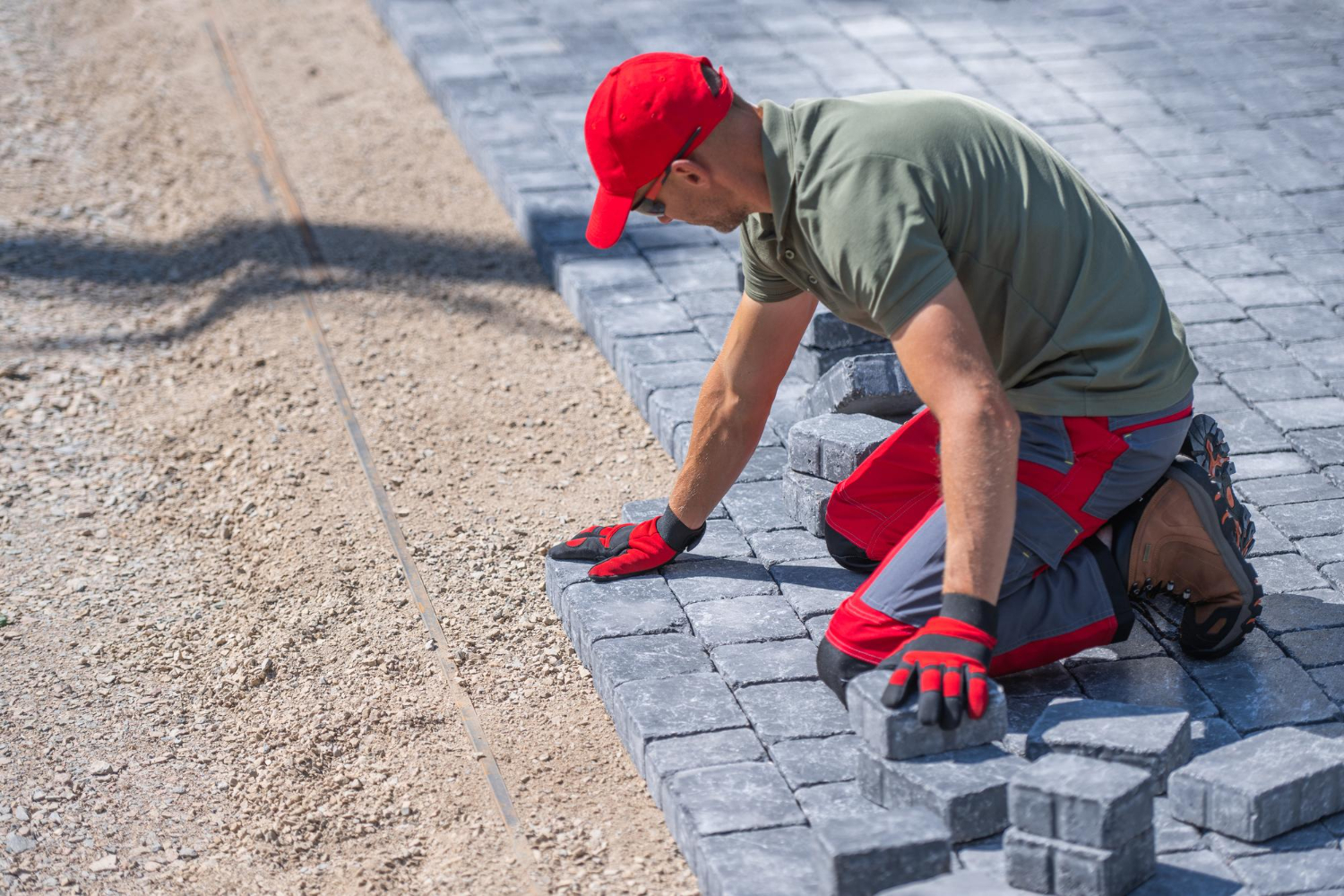
Build a Stronger Patio Base That Lasts for Years
A paver patio or path should make your yard feel clean and low-stress, not like another chore. Yet many Southern California homeowners and contractors see the same problems again and again: pavers settling, edges sinking on sloped yards, or weeds popping up between joints only a few months after the project is done.
Most of the time, the trouble starts under the surface. The hidden hero of any paver system is the underlayment, the layer that sits between your native soil and your base rock. It helps water move out, keeps your base from mixing with soil, and slows weeds from pushing up under patios, driveways, walkways, and garden ground cover areas.
For LA pavers and other hardscape projects, three materials come up again and again: geotextile fabric, decomposed granite, and sand. Each one plays a different role in drainage and weed control. When you understand what they actually do, you can build patios and paths that stay smooth, clean, and ready for backyard hangouts year after year.
What Underlayment Really Does Beneath LA Pavers
A strong paver system is like a layered cake. From the bottom up, it usually includes:
- Native soil subgrade
- Underlayment layer
- Compacted base, such as road base or decomposed granite
- Thin bedding layer of sand
- Pavers
- Joint sand between pavers
That thin underlayment layer has three main jobs:
- Separate soil from base rock so they do not mix and sink
- Help water drain instead of sitting under the pavers
- Reduce weed pressure coming up from below
In the Los Angeles area, soil conditions change from yard to yard. Some spots have sticky clay pockets, others have softer fill dirt. Many lots are sloped, and irrigation systems run often to keep plants happy. Then we get those sudden heavy rain events that test every drain and every patio.
If your paver system does not handle water correctly, you get:
- Soggy areas that cause pavers to rock or shift
- Base rock that sinks into soft soil
- Fine soil washing up into joints
- More chances for weeds to take hold
Choosing the right underlayment and base setup for your site helps avoid all of that. It lets water move through in a controlled way while keeping the structure of your patio or path steady.
Geotextile Fabric for Smarter Separation and Weed Control
Geotextile fabric is a strong, engineered fabric that sits between native soil and your base material. There are two main types you will hear about:
- Woven geotextile, looks like a tight weave and focuses on strength and separation
- Nonwoven geotextile, looks more like felt and is often used where drainage is important
Both act as a physical barrier so your compacted base rock does not mix into the soil below. This helps stop rutting and long-term settling under areas like patios, driveways, and decorative garden ground cover zones.
On weed control, no underlayment gives a perfect guarantee. But a quality geotextile layer makes a big difference. It blocks most deep-rooted weeds from pushing up from below, so any weeds you do see usually come from seeds that land in the joint sand or mulch on top. Those are much easier to pull or spot-treat.
Geotextile also supports drainage during our dry and wet swings. Water can pass through the fabric, but the fine particles stay in place. This helps prevent little mud pockets from forming under your base, especially near:
- Irrigated lawns
- Raised planters and flower beds
- Drip lines in garden areas
For best results, installation needs care:
- Grade and compact the native soil first
- Roll out the fabric flat with no big wrinkles
- Overlap seams correctly so soil cannot sneak through gaps
- Extend the fabric past where your edge restraints will sit
When done right, you end up with a clean, solid platform that protects your base rock from the ground below and supports the whole system on top.
Decomposed Granite as a Stable, Permeable Base Layer
Decomposed granite, often called DG, is a fine crushed rock that packs tight but still lets water pass through. It can work as part of the base under pavers or as a finished surface for rustic paths and garden ground cover areas.
There are two main styles:
- Loose DG, drains better and has a softer, more natural feel
- Stabilized DG, has binders mixed in for a firmer, more durable surface
Under LA pavers, DG really shines when it is placed over geotextile and compacted in thin layers. Done this way, it becomes a firm, even base that resists ruts and washouts while still allowing rain and irrigation water to percolate down instead of puddling on top.
For weeds, DG by itself does not stop growth. But when you pair a good geotextile fabric with properly compacted DG, you slow weed growth from below and make any sprouts that do show up easier to remove. Loose DG on the surface needs some care too. If leaves and soil are allowed to build up, that organic layer can turn into a seedbed.
Mid-summer is a popular time for hardscape work, and DG responds well to a thoughtful approach in the heat:
- Work the DG slightly damp for better compaction
- Plan heavy labor for early morning or later in the day
- Make multiple compaction passes so the base is fully set before you place sand and pavers
This patience during base prep often decides how well your patio or path holds up when you start using it.
Sand Bedding and Joint Fills for Final Drainage Tuning
Sand is not a true underlayment, but it still plays a big part in how your paver system drains and handles weeds. There are two main sand roles:
- Bedding layer, a thin layer of concrete sand over the compacted base
- Joint material, swept into gaps between pavers
The bedding layer lets you fine-tune the level so each paver is fully supported. It also helps move water sideways toward drains, gravel borders, or permeable garden ground cover zones instead of letting it sit under a single spot.
For joints, you will usually pick between:
- Standard joint sand, drains quickly but may allow more weed seeds to root from above
- Polymeric sand, when installed correctly, hardens up and can slow surface weeds and ant tunnels in high-traffic or poolside areas
Sand works as the top part of a full system. Geotextile and DG deal with separation and base drainage. Sand helps finish the surface, keeps pavers from rocking, and guides water where you want it to go.
Ongoing care makes a big difference:
- Sweep in fresh sand if joints settle over time
- Check polymeric joints after big-rain events
- Keep leaves, soil, and mulch off the paver surface so they do not turn into a thin layer of compost where weeds love to sprout
A few minutes with a broom now and then helps your careful underlayment work continue to pay off.
Choose the Right Layering Strategy for Your Project
Different spaces call for different layer setups. A simple way to think about it:
- For driveways and high-use patios, use geotextile fabric over the native soil, then a compacted base such as road base or DG, then a thin sand bedding layer and your pavers with joint sand.
- For casual garden paths or decorative garden ground cover zones, use geotextile for separation, then DG or gravel as the main surface, and add paver accents where you want a more defined edge or stepping area.
Match your system to:
- How much traffic the area will see
- How much slope you are dealing with
- Where your irrigation and drainage paths are
Summer is a great season to handle excavation and base work while the ground is dry and easy to shape. When fall and winter rains show up, a well-layered paver system with the right underlayment, DG, and sand setup is ready to shed water, stay stable, and keep weeds to a minimum. At Mr. Pavers, we focus on supplying the professional-grade materials you need so your outdoor spaces look clean and stay that way.
Get Started With Your Project Today
Transform your outdoor space with thoughtfully designed garden ground cover solutions that look great and are easy to maintain. At Mr. Pavers, we listen to your ideas and create a plan that fits your style, budget, and yard conditions. If you are ready to move forward or have questions about your options, contact us so we can help you plan the next steps.