LA Garden Path Planning: Decision Tree for Budget, Accessibility, and Materials
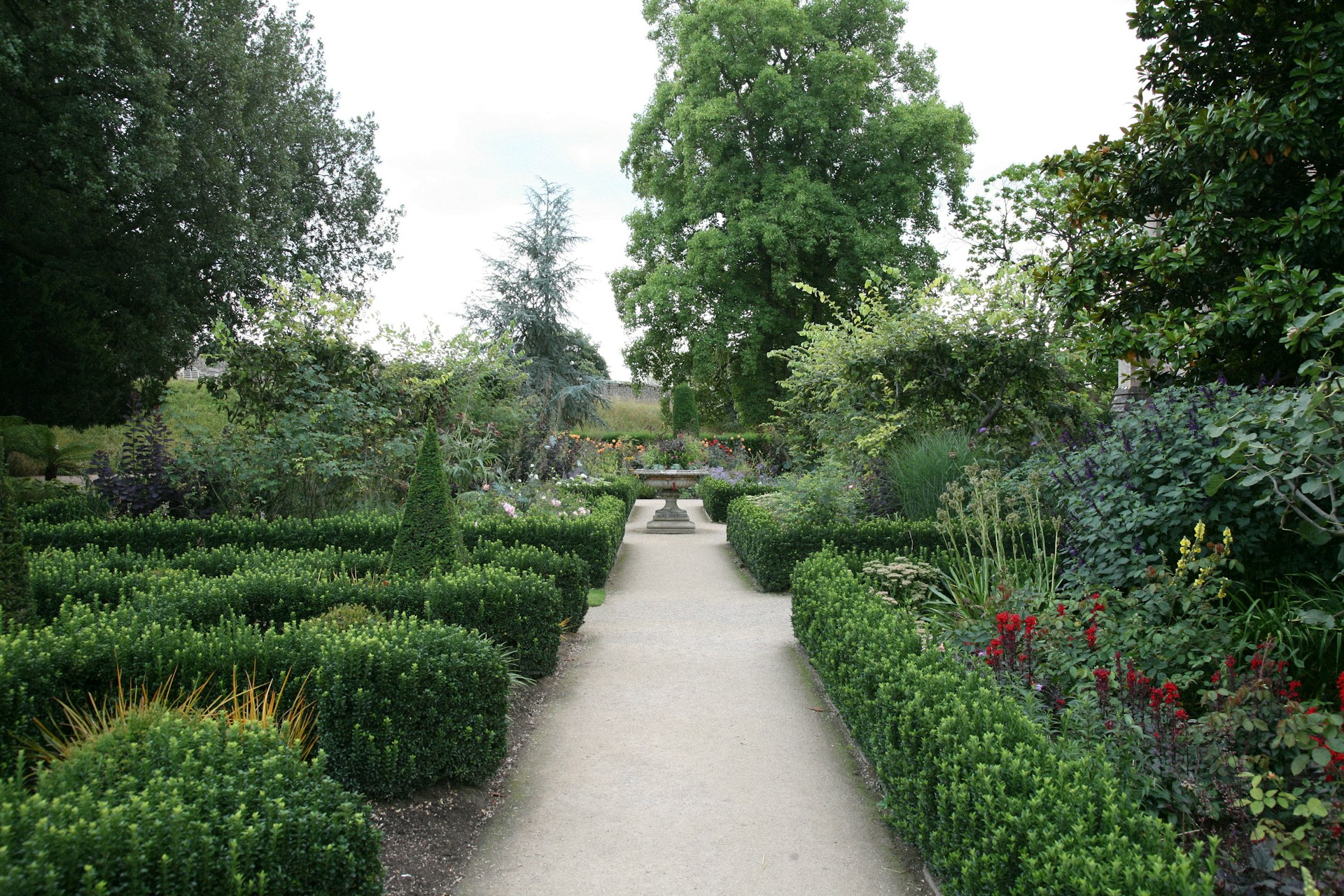
Start with How You Want Your Path to Feel
A yard can look nice from the patio, but feel totally different once you start walking through it. Many Los Angeles homeowners realize their “paths” are just dusty tracks, random stepping stones, or spots where people trip on sprinkler heads. The right garden path materials do more than fill in bare ground; they change how your whole yard feels and how safely people move through it.
Instead of starting with products like pavers or gravel, it helps to start with questions. What do you want this path to do? Who will use it? How much work do you want to care for it later? In this guide, we walk through a simple question-based plan, then finish with clear material, base, and edging ideas that fit our local LA conditions, from summer heat to surprise downpours.
Map Your Priorities: Budget, Look, and Use
Before choosing any garden path materials, it helps to think about three things at the same time: money, look, and use.
On budget, you can group paths into three rough levels, without focusing on exact costs:
- Value-focused, decomposed granite, basic gravel, compacted base, simple edging
- Mid-range, concrete pavers, stepping stones with gravel or mulch between pieces
- Premium, natural stone, decorative pavers, custom borders or patterns
Next, be clear about how the path will be used. A daily route to trash cans needs durability and grip underfoot. A stroller-friendly shortcut around the house needs a smooth, even surface. A meandering garden walk can be a bit looser, with softer curves and more texture. If maintenance crews use the path, you might need extra width for equipment.
Think about the style you like:
- Modern, straight lines, smooth concrete pavers, simple colors
- Rustic, irregular flagstone, crushed rock, and natural edges
- Cottage, stepping stones tucked into gravel, mulch, or low plantings
- Mediterranean, warm-toned pavers or stone, curved shapes, soft colors
Once you know your style lane, it becomes easier to sort products at a supply yard so you are only looking at materials that match your goal.
Match Garden Path Materials to Your DIY Skill
The next big question is your skill and comfort level. Be honest with yourself; it keeps projects from dragging on in the heat.
Quick self-check:
- weekend tinkerer, comfortable with a shovel and wheelbarrow, but little layout experience
- Confident DIYer, ok with compaction, basic leveling, and simple cuts
- Pro or hiring out, fine with more complex installs and fine details
For weekend tinkerers, simpler paths are best. Mulch, decomposed granite, or basic gravel with plastic or metal edging can give you a clear route without a lot of tricky layout work. These options flex a bit, so tiny mistakes in leveling are easier to hide.
For confident DIYers, modular concrete pavers on a compacted base are a strong option. Larger stepping stones set into gravel or decomposed granite also work well. These paths look clean and feel solid when the base is prepared correctly.
For pros or those bringing in help, natural stone set tightly together, intricate paver patterns, and added features like lighting or drainage channels open up more design freedom.
No matter your level, the base is what makes or breaks the path. Compacted base rock and proper sand layers often matter more than the surface material you see. This is where expert advice on base rock and edging can save you from problems later.
Plan for Wheels, Feet, and Future You
Next, think about who will use the path now and a few years from now. Many people in LA want routes that work for strollers, wheelchairs, rolling coolers, and guests who do not like uneven ground.
For wheel-friendly paths, focus on:
- Firm, smooth, and level surfaces
- Minimal gaps or lips that catch wheels
- Materials like pavers or tightly set stone instead of loose gravel
Concrete pavers installed on a solid base give a flat, even surface. Tight natural stone with filled joints can also work well. Loose gravel can be uncomfortable for wheels and thin heels, and it tends to move around.
Width matters too. Try to make paths at least 36 inches wide for basic access. If you have the room, 42 to 48 inches feels more relaxed, especially around corners. Keep curves gentle so people can roll through easily, and add small landings on slopes to give everyone a place to pause.
For safety and comfort:
- Choose slip-resistant textures, especially near hose bibs and irrigation
- Keep transitions even where paths meet patios or driveways
- Plan lighting along high-use routes for evening visits outside
Good edge restraints and joint materials, like polymeric sand between pavers, help keep everything locked in. That means fewer gaps opening up, fewer tripping spots, and better rolling for strollers and wheelchairs over time.
Tackle Slope, Drainage, and Maintenance Reality
Now look at your yard itself. Is the area flat, gently sloped, or pretty steep? Gentle slopes are usually fine for DIY paver paths if you take your time. Moderate slopes might need small steps, terraces, or switchbacks to keep each segment comfortable. Very steep areas are often better for experienced installers.
On slopes, interlocking pavers or rough-textured stone that sit on a solid base usually do better than loose gravel. Gravel can wash downhill in a heavy LA storm and leave ruts or bare spots.
Drainage is a big deal in our area. We get long dry stretches, then intense rainstorms. To help your path handle that:
- Give the path a slight cross slope so water sheds off instead of pooling
- Use gravel bands or open joint pavers where water tends to collect
- Lift the path slightly above surrounding soil so it does not sit in a puddle
Be honest about how much maintenance you want to do later. Some options are more laid back than others:
- Lower maintenance, compacted decomposed granite with stabilizer, quality pavers with polymeric sand, artificial turf strips between pavers
- Moderate, loose gravel that might need raking, organic mulch that breaks down and needs topping off
- Higher, tight natural stone with narrow joints that may need cleaning and re-sanding over time
When you match your material to your upkeep level, you cut down on weeds, sinking spots, and constant fixes.
Use the Decision Tree to Pick Material, Base, and Edging
Now we can connect your answers into a simple decision path.
If you have a tight budget, light foot traffic, and are a basic DIYer, a compacted decomposed granite or gravel path over a Class II type base with flexible plastic or steel edging is a smart start. The base gives strength, the surface is forgiving, and the edging keeps everything in place.
If your yard gets family use, needs to work for strollers or wheelchairs, and you have a moderate budget, concrete pavers are often the best fit. Set them over compacted base rock and sand, add solid edge restraints, then finish joints with polymeric sand. You get a smooth, durable surface that stays tidy with little day-to-day care.
If you want a high-end look, have a sloped or focal area, and are a pro or advanced DIYer, natural stone or premium pavers with engineered base layers are a strong choice. Combine these with sturdy concrete or steel edging and planned drainage features so water has a clear path away from your new work.
Seasonal timing matters too. For mid-summer projects in Los Angeles, early morning starts help you beat the sun while you dig and compact. Adjust irrigation so sprinklers are not soaking fresh base material and washing it out. Lighter-colored surfaces can keep the walking surface cooler on bare feet during long sunny afternoons.
As you answer each question about budget, style, skill, accessibility, slope, and maintenance, you build a clear picture of the path that fits your yard. That way, when you visit Mr. Pavers, our team can translate your notes into the right garden path materials, base blends, and edging pieces so your plan turns into a walkable upgrade that feels good every time you step outside.
Get Started With Your Project Today
Explore our curated selection of garden path materials to find the right look and performance for your outdoor space. At Mr. Pavers, we help you compare options so your path not only looks great but also stands up to weather and everyday use. If you would like guidance choosing products or planning your layout, contact us and we will walk you through the next steps.