Rethinking Garden Bed Materials for Low-Water Los Angeles Yards

Shape a Resilient, Beautiful Garden for Dry LA Summers
Los Angeles yards work hard in the heat, and the old-style of thirsty lawns and bare soil beds does not keep up. Watering limits, higher sun, and longer dry stretches put a lot of stress on both plants and homeowners. The good news is that garden bed materials have come a long way, and small changes can make a big difference in how much water your yard needs.
With the right mix of stone, gravel, mulch, and smart planting, a low-water garden can still feel lush and colorful. You can get pops of green, soft textures, and bright flowers without running your sprinklers all day. It is all about building planting areas that protect the soil, guide water where you want it, and stand strong through hot summers.
As a local supplier in the Los Angeles area, we see what works in our climate every day. When garden beds are built with durable, water-wise materials from the start, they stay good looking longer, handle heat better, and make yard care feel much easier.
What Los Angeles Yards Need From Garden Bed Materials
In a dry climate like ours, garden beds have a simple job: help plants stay healthy with less water and less stress. To do that, the materials around your plants need to work just as hard as the plants themselves.
Here is what matters most in LA yards:
- Moisture retention, so water stays in the soil instead of vanishing into the air
- Heat control, so roots do not bake under direct sun
- Erosion control, especially on slopes and along driveways
- Durability, so beds do not fall apart when the sun beats down day after day
Traditional setups, like bare soil, thin bark that blows away, or soft wood edging that breaks down fast, often mean constant upkeep and extra watering. Soil crusts over, beds wash out in heavy rain, and mulch needs to be replaced over and over.
Modern, low-water garden bed materials are designed for stability and lower care. Things like gravel, stone borders, decomposed granite, and long-lasting mulches help keep soil in place and water where roots can reach it. The trick is to match those materials to your yard’s microclimate.
- Coastal areas may need materials that handle fog, salt air, and cooler evenings
- Valley yards usually deal with higher heat and more intense sun
- Foothill and hillside spaces often need strong erosion control and good drainage
When materials match your soil type, slope, and sun exposure, plants settle in faster and need less watering to stay happy.
Choosing Between Organic and Inorganic Bed Covers
Garden bed covers usually fall into two groups: organic and inorganic. Both have a place in a low-water Los Angeles yard, and many beds benefit from a mix of the two.
Organic materials include:
- Wood mulch and bark chips
- Shredded tree trimmings
- Compost blends and planting mixes
These soften the look of your beds and help keep soil cool. They feed soil life over time and improve texture, which is great for deep-rooted, drought-tolerant plants. The tradeoff is that they slowly break down, so they need to be topped up every so often.
Inorganic materials include:
- Decorative gravel in different sizes
- River rock and pebble mixes
- Decomposed granite (DG) for firm, compacted paths
- Pavers and stone slabs
These do not break down or blow away easily. They handle heat, hold slopes, and give a clean, modern look. Gravel and rock let water pass through while protecting the soil below from direct sun and wind.
When should you use each type?
- Around edibles, herbs, and perennials that love richer soil, organic covers are usually a better fit
- In very hot spots, along driveways, or near patios, stone, DG, and gravel help reflect heat and keep things neat
- On slopes, rock and gravel stay put and help slow down runoff, while mulch may slide or wash away
Blending both can give you rich soil where you grow and solid footing where you walk.
Smart Garden Bed Builds with Stone, Gravel, and Pavers
Think of a garden bed as a layered system, not just a patch of dirt with plants on top. When the base is strong, the whole bed needs less water and less fixing later.
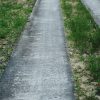
A common low-water layout starts with a compacted gravel base and weed fabric. This combo:
- Blocks most weeds
- Lets water drain through
- Supports decorative rock or pavers on top
From there, you can tuck in planting pockets filled with improved soil for drought-tolerant shrubs, grasses, and succulents. The gravel or stone around them acts like a long-lasting mulch.
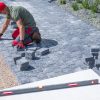
Stone borders, small retaining walls, and paver edging also help a lot. They keep mulch from spilling into paths, hold soil on gentle slopes, and make it easy to separate your yard into drip-irrigated zones. That way, you are not watering everything the same, which saves a lot of water over time.
A few layout ideas that work well in LA yards:
- Gravel pathways between raised beds, so water soaks into the ground instead of running off hard concrete
- River rock swales, shallow stone channels that guide stormwater toward plant roots instead of the gutter
- Paver accents inside beds that act as stepping stones or small seating spots, so you can reach plants without compacting the soil
These details turn a simple bed into a smart system that manages water for you.
Low-Water Planting Mixes and Mulch That Work Together
Plants handle dry weather much better when their roots are deep and the soil around them is set up to support that. Good garden bed materials below and above the soil line work together.
A strong planting mix usually includes:
- Native or well-draining soil
- Compost or organic matter to feed roots
- Sometimes sand or fine bark to open up heavy soil
This kind of blend lets water soak in, but it does not stay soggy. Roots grow down instead of staying shallow at the surface, so they can handle longer gaps between watering.
On top, a cover layer finishes the job. Many low-water beds do best with 2 to 3 inches of bark or wood chip mulch. This helps:
- Shade the soil and cut evaporation
- Keep soil temperatures steadier through hot afternoons
- Reduce crusting so water can actually get into the ground
Stone or gravel can also work as a top layer over good planting soil, especially for succulents, Mediterranean plants, and areas with strong sun reflection.
Seasonal timing matters too. By mid-June in Los Angeles, most of the year’s rain has already passed. That is a great time to:
- Refresh mulch before long dry spells set in
- Check drip lines and emitters around your beds
- Rake and reset gravel or stone that shifted during winter rain
These small steps help your garden ride out summer with less water and fewer plant losses.
Build Your Next Water-wise Garden Bed with Mr. Pavers
One of the easiest ways to start is to choose a single bed in your yard as a test area. Walk it, look at where water runs, notice where soil dries out fastest, and where mulch has thinned or washed away. Then sketch a simple redesign that brings in smarter garden bed materials, like stone borders, a gravel base under paths, and fresh mulch around your key plants.
At Mr. Pavers, we work with both DIY homeowners and trade professionals across the Los Angeles area who want beds that are ready for heat, sun, and watering limits. Gravel, stone, pavers, mulch, and turf alternatives can all be mixed and matched to fit your style, slope, and sun exposure. Bring photos and measurements, think about how you move through your yard, and plan a weekend-friendly upgrade that sets your garden up for a cooler, low-water summer from the ground up.
Get Started With Your Project Today
If you are ready to refresh your landscape with durable, attractive garden borders, we are here to help you choose the right garden bed materials for your space and budget. At Mr. Pavers, we will walk you through design options, materials, and installation so your garden beds look great and last for years. Tell us about your project goals and we will provide clear recommendations and a straightforward plan. Have questions or want to schedule a consultation now? Simply contact us to get started.