Common Landscaping Materials Los Angeles DIYers Misuse

Avoid These Costly Landscaping Material Mistakes This Summer
Good materials cannot fix a bad plan. Early summer in Los Angeles is when a lot of yards get torn up for new patios, paths, and planting beds. When the project rush starts, it is easy to grab whatever looks good at the store and hope it works. That is when fading, cracking, puddles, and constant repairs show up later.
This guide walks through how common landscaping materials in Los Angeles get misused and what usually goes wrong. With a little more planning and the right local advice, you can build outdoor spaces that stay safe, drain well, and keep their color and shape in our sun and dry weather.
Pavers Placed Wrong: Why Your Patio Keeps Shifting
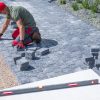
Pavers are one of the most forgiving materials, but they still need a proper base. Here in Southern California, we see both clay and sandy soils. Both can move and settle if you skip steps.
Common paver base problems include:
- Laying pavers right on dirt
- Using only a thin layer of base rock
- Not compacting in stages
Without a thick, compacted base, pavers sink, tilt, and create trip hazards. Gaps open up, weeds move in, and the surface never feels solid underfoot.
Edge restraints and joint sand also matter. When you skip a solid border, pavers slowly creep outward, especially on driveways and curves. Then spaces between pavers widen and the pattern loosens. On top, regular sand can wash away, which invites:
- Persistent weeds
- Ant hills between joints
- Loose, noisy pavers
Polymeric sand sets up harder when installed right, which helps keep joints stable and cleaner over time in local conditions.
It also helps to match the paver type to the job. Patio pavers are not always strong enough for vehicles. For driveways or high-traffic entries, you need thicker units built to handle weight. Around pools, you want pavers that stay comfortable under bare feet and have some texture to help with slip resistance.
Decomposed Granite and Gravel Done the Wrong Way
Decomposed granite (DG) and gravel look simple, but they can be messy if used the wrong way. One of the biggest issues we see is material wandering all over the yard.
Spreading DG or gravel without borders lets it:
- Wash into planters
- Spill onto sidewalks
- Clog drains
Edging, stabilizers, and the right slope help keep everything where it belongs, even during rare but heavy rain. A firm base and a slight grade give water a clear path to move away from the house instead of pooling near the foundation.
Installing DG or gravel on flat, compacted soil with no grade leads to puddles, mud, and ruts. Even a small slope can direct water to safer areas. Skipping compaction can also create soft, uneven spots that feel like walking on marbles.
Choosing the right size and type of rock matters too. Fine DG suits walking paths and patios when it is compacted, while larger gravel often works better for:
- Driveways
- Dog runs
- Side yards with light foot traffic
Picking decorative rock only for its color can backfire if it is sharp, rolls under your feet, or hurts to walk on. Comfort and function should come first, then style.
Mulch and Groundcover Mistakes That Harm Plants
Mulch is simple, but many yards suffer from too much or too little. A very thick blanket of mulch can smother roots, attract pests, and trap moisture against trunks or stems. On the other hand, a dusting that is too thin does almost nothing to control weeds or protect soil from hot sun.
It is also easy to choose the wrong mulch type for the spot. Light, fine mulch on slopes can slide downhill or wash away in a strong storm. In high-fire-risk areas, certain mulches right next to structures can add fuel instead of protection.
Another common shortcut is tossing mulch over unprepared soil. When you skip weeding, grading, and soil prep, weeds push right through and you end up fighting them all season. Selective use of weed barriers or fabric may help under:
- High-traffic paths
- Long side yards
- Play or pet areas
Planting zones often need open soil for roots to spread and breathe, so fabric is not right for every area. A little planning goes a long way.
Artificial Turf and Drainage Missteps in LA Yards
Artificial turf only looks low effort when the base work is done well. Laying turf right on natural soil is a common DIY move, and it usually leads to soft spots, poor drainage, and odor issues.
A good turf base needs:
- Proper grading for drainage
- Layers of compacted base material
- Even, firm support with no dips
Without that, water has nowhere to go. It can pool under the turf, which encourages bacteria and smells, especially in pet areas.
Heat and turf quality matter in Los Angeles too. Lower quality turf can flatten fast or fade under strong sun. When choosing turf, it helps to pay attention to:
- UV-resistant fibers
- Infill material and how it affects heat
- Blade shape and density for a more natural look
The edges of turf also need care. Where turf meets pavers, gravel, or planting beds, poor transitions can lead to frayed edges, loose seams, and erosion. Turf layout should match any irrigation or drainage changes so that water still flows away from your home, not into it.
Choosing the Right Stone for LA’s Climate and Style
Stone can make a yard feel finished, but the wrong stone in the wrong place creates problems. Around pools and outdoor living areas, dark and very smooth stones can get extremely hot and slippery. In our sunny climate, many people are happier with lighter colors and textured surfaces for safer, cooler walking.
Some stones are more porous and pick up stains from leaves, food spills, or hard water. These may need sealing and steady upkeep, which does not fit every lifestyle. Lower maintenance options can better suit busy homeowners who want outdoor areas that stay good-looking with less effort.
Style also matters. A trendy stone that looks great online might clash with your home’s color, roof, or neighboring houses. It helps to think about:
- Overall color scheme
- Texture and pattern size
- How stone ties together walkways, patios, and entry areas
Working with a local material yard that knows Los Angeles styles and climate can make it easier to match stone to your home and long-term plans.
Build It Once, Build It Right With Local Expertise
Good projects start with questions, not with a cart full of materials. It helps to be clear about how you will use each space, who will use it, and how much upkeep you are willing to handle. Bringing simple measurements, quick photos, or a rough sketch when you shop gives you a better chance of getting the right product the first time.
At Mr. Pavers, we work with both contractors and DIY homeowners on pavers, stone, gravel, mulch, artificial turf, and other job-ready materials picked for local conditions. Our team can help match base materials, surface options, and quantities so you can avoid many of the headaches listed above. Starting with one key area, like a patio, walkway, or front yard update, and pairing it with the right materials from the start can help your project look good and last in the Los Angeles sun.
Get Started With Your Project Today
Explore our curated selection of landscaping materials in Los Angeles to find everything you need for a durable, great-looking outdoor space. At Mr. Pavers, we are ready to help you choose the right products for your design, budget, and installation needs. If you have questions or want personalized recommendations, simply contact us and we will guide you through the next steps.