Solving Small-Yard Layouts with Curved Concrete Block Borders
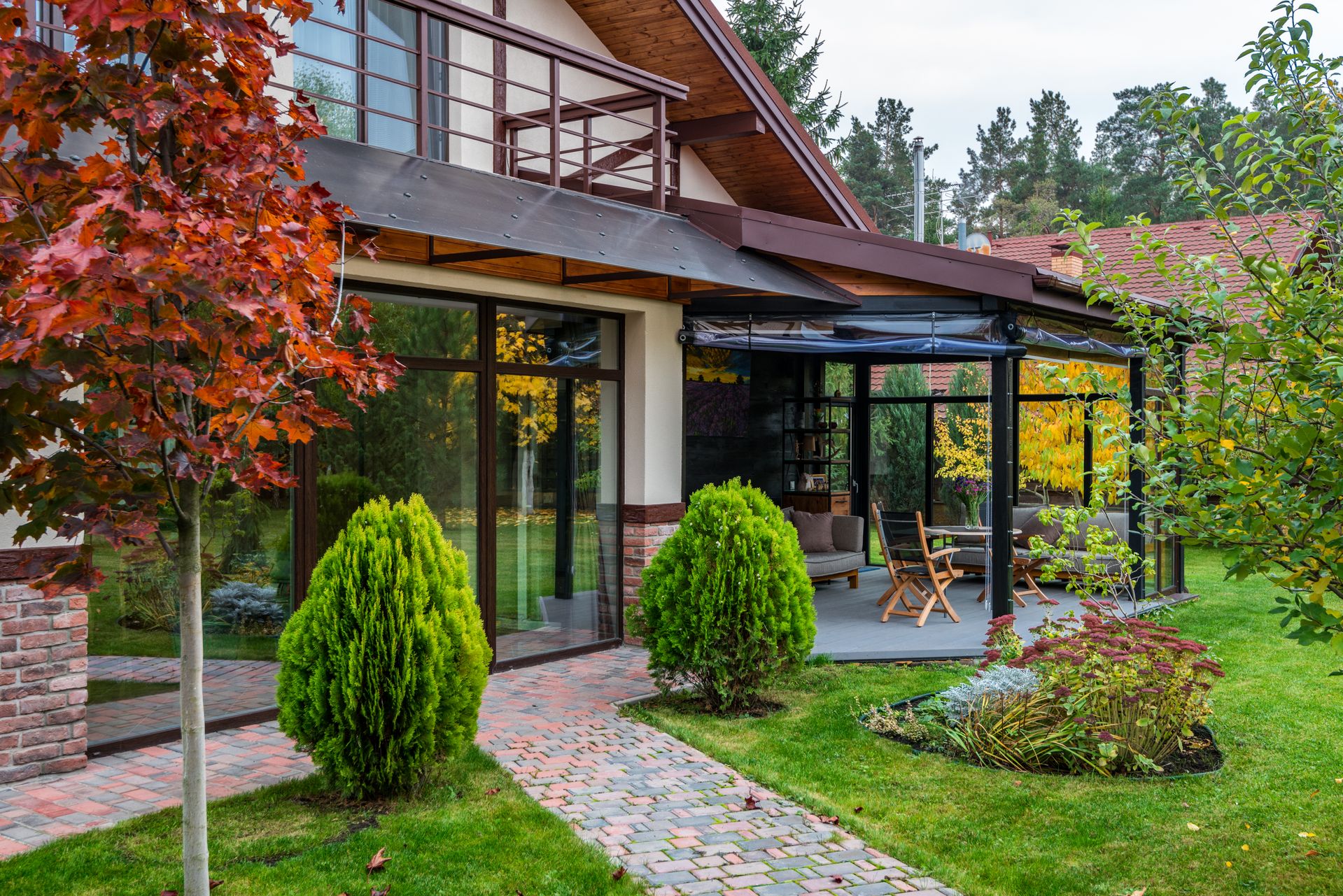
Transform Tight Spaces with Flowing Block Borders
Many small yards in the Austin area feel more like leftover space than an outdoor room. Long fences, tight side yards, or tiny back corners can make it hard to see any kind of inviting layout. The good news is that you do not need a big yard to create a relaxing, well-planned space.
Curved concrete block borders are one of the easiest ways to reshape how a small yard looks and feels. Soft curves can break up harsh corners, guide the eye away from problem areas, and carve out little zones for sitting, planting, and walking. In this article, we will walk through simple layout ideas and planning tips that work well for small spaces, using curved concrete block and other materials you can get from a local hardscape supplier, just in time for peak summer evenings outside.
Why Curves Work Better in Small Yards
Straight lines and tight corners tend to shout, “this space is small.” When every border runs in a stiff line, your eye hits the edge of the yard and stops. That makes fences and walls feel closer than they really are.
Gentle curves, on the other hand, help the space feel more relaxed and open. When the eye follows a curve, it keeps moving, which makes the yard feel deeper and more interesting. A simple curved concrete block edge along a fence or patio can change the whole mood of a small yard.
Curved borders also help hide odd or awkward spots, such as:
- Sharp corners at the back fence
- Utility boxes or AC units
- Narrow side yards that feel like hallways
- Uneven gaps where grass struggles to grow
By bending a border in front of those areas, you draw attention toward something nicer, like a planting bed, a bistro set, or a small tree. Curves are also practical. They can:
- Create flexible planting pockets in different widths
- Make it easier to round corners with a mower
- Provide smooth transitions around AC units, patios, or sheds
In a tight Austin yard, that mix of beauty and function is a big win.
Planning Your Curved Concrete Block Layout
Before any blocks go down, it pays to plan on paper. Start by measuring your yard and sketching the main features. Mark things like:
- Back doors and sliding doors
- Existing patios, decks, and walks
- AC units and hose bibs
- Gates and common walking routes
Once you have the basics, draw a few light, sweeping lines to show where curved borders might go. Think about how you move through the yard. You want curves that guide people toward key spots like a grill, small seating area, or kids’ play zone.
For summer layouts, we usually suggest keeping a few priorities in mind:
- Clear sightlines from the house to the grill and main seating
- Enough space to turn with a mower or trimmer
- A simple loop or path that keeps feet off delicate plants
On the ground, a garden hose is one of the easiest tools for planning curves. Lay it out where you think the border should run. Adjust until it feels smooth and natural, not wiggly or zigzagged. If you prefer, you can also use marking paint to trace your final line.
One more key step is to pay attention to drainage. Make sure your new curves do not trap water against the house or create low spots. Curved concrete block borders should work with the natural slope, not block it.
Smart Border Ideas for Tiny Backyards
Small yards do best with simple, clear layouts. Here are a few curved border concepts that often work well in tight spaces:
- A shallow curved border that hugs the edge of a small patio and holds low plants or gravel
- An S-shaped planting bed that gently divides the yard into two sides, one for seating and one for kids or pets
- A wide sweeping curve that wraps behind a corner fire pit, small bench, or bistro table
Even in a very small yard, these shapes can turn plain grass and fence into a space that feels planned and inviting.
Material pairings can help keep things neat during hot, dry summers. Curved concrete block borders play well with:
- Decomposed granite paths for a firm, natural-looking surface
- Gravel areas for low-care, no-mow zones
- Mulch in planting beds to help soil hold moisture
You can also save space by making smarter, thinner beds along the fence. Use a gentle curve to pull the border a little farther into the yard in a few spots, then tuck in herbs or low-growing plants inside each bend. Keep lawn areas compact and simple, with edges that are easy to mow without a lot of back-and-forth.
DIY Tips for Smooth, Professional-Looking Curves
A curved concrete block border looks best when the line is clean and steady. The key is a solid base and careful placement of each block.
Here are some basic steps professionals tend to follow:
- Remove grass and loose soil where the border will go
- Add a layer of compacted decomposed granite or road base for support
- Check slope so water moves away from the house and hard surfaces
- Set each block so the tops line up in height and follow your marked curve
For tighter curves, blocks will need a little more care. You may need to:
- Slightly rotate each block so the joints form a smooth arc
- Trim or cut a block once in a while so gaps stay small
- Keep the top edges even so there are no trip spots along walkways
Near existing concrete patios or paver areas, it helps to line up the curve so it flows from the straight edge instead of fighting it. A soft bend that starts a few inches off the patio can feel very natural.
Since summer sun can be strong, it is smart to plan work for early morning or late evening. Keep bags of base material and concrete block in the shade when you can, both for comfort and so surfaces are not too hot to handle. When choosing block colors and textures, look at them next to your existing fence, patio, and stone. Slight color shifts can complement sun-faded wood and older hardscapes in a nice way.
Bring Your Small-Yard Design to Life This Summer
Once you like your sketch, turn it into a simple list of materials. Count how many linear feet of curved concrete block border you need, then add compatible materials for paths and beds like decomposed granite, gravel, or mulch. This helps keep your project focused so your small yard does not feel crowded with too many different surfaces.
At Mr. Pavers in the Austin area, we work with both DIY homeowners and contractors who are shaping small yards into welcoming outdoor rooms. Curved concrete block borders, paired with the right ground covers and stone, can turn even the tightest space into a calm, polished retreat that is ready for late-summer evenings with family and friends.
Get Started With Your Project Today
Bring your design ideas to life with Mr. Pavers and create smooth, flowing lines that fit your space perfectly. Explore our selection of curved concrete block to find the right style, size, and finish for your next hardscaping project. If you are ready to talk details or need guidance choosing materials, contact us so we can help you move from vision to installation.