Questioning Garden Bed Materials for Los Angeles Heatwaves
Rethinking Garden Beds Before the Next Heatwave
Los Angeles gardens do not just deal with warm days, they face long stretches of intense heat. When those heatwaves hit, plants, soil, and water use are all pushed to the limit. The materials you choose for your garden beds and borders can either help your plants ride it out or leave them stressed and struggling.
In this post, we want to look closely at garden bed materials and how they behave in extreme heat. We will talk about what heat does to beds, compare common materials, and share ways to pair hardscape and planting areas so your yard feels cooler. As a local supplier of stone, pavers, gravel, mulch, and artificial turf, we work with homeowners and contractors who are facing the same heat you are, and we want to help you plan smarter before the next hot spell hits.
How Los Angeles Heatwaves Impact Garden Beds
Typical summer days in Los Angeles bring strong sun, low humidity, and very little rain. During a heatwave, that sun bounces off nearby walls, driveways, and patios, adding even more radiant heat around your garden beds. A bed that feels warm in the morning can feel like an oven by late afternoon, especially if it is surrounded by hard surfaces.
Extreme heat affects your beds in a few key ways:
- Soil dries out much faster, even if you water regularly
- Roots close to the surface can get damaged by hot, dry soil
- Mulch can bake, fade, and turn dusty instead of soft and protective
- Dark, dense materials near beds can hold and throw heat back onto plants
Many people notice the same problems: plants wilt even after being watered, leaves scorch on the side facing a wall or driveway, and beds next to paved areas run hotter than the rest of the yard. If you only think about plants and ignore the materials that surround them, you may end up fighting the heat all summer long.
Comparing Popular Garden Bed Materials in Extreme Heat
Not all garden bed materials handle Los Angeles heat the same way. Each type has trade-offs, especially when the temperature climbs.
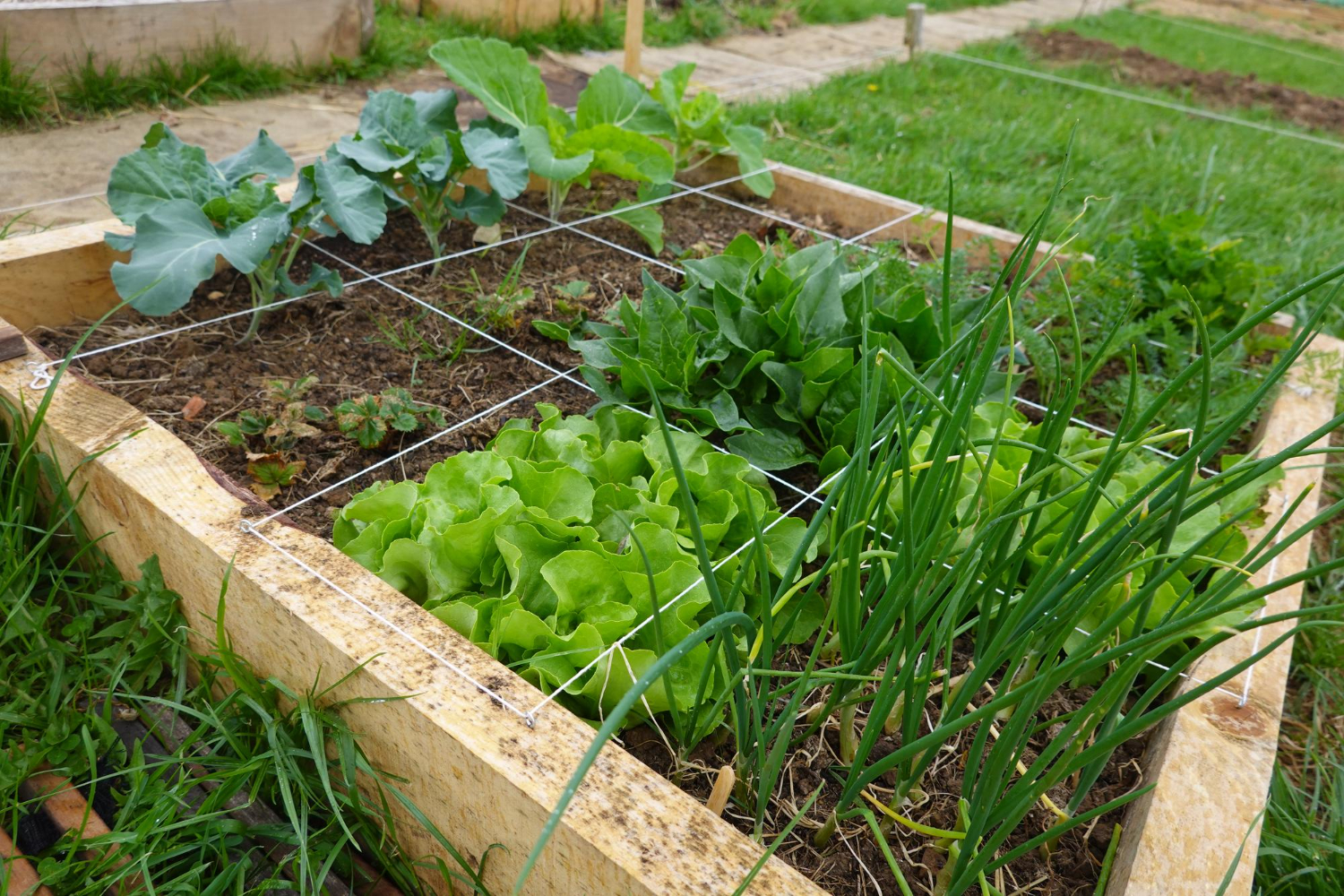
Wooden beds are very common in home gardens.
Pros:
- Natural look that blends well with plants
- Softer and usually cooler to the touch than metal
- Easy for many DIYers to work with
Cons:
- Can dry out and crack in hot, dry conditions
- Warps faster when exposed to strong sun and sprinklers
- Breaks down over time and needs replacement
Metal beds are popular for their clean lines and tall sides.
Pros:
- Strong and long-lasting
- Slim walls so they fit well in tight areas
- Good for neat, organized garden layouts
Cons:
- Can become extremely hot during a heatwave
- May warm the soil where roots press against the sides
- Heat on the walls can stress delicate plants and shallow roots
Masonry and stone beds, such as block walls, bricks, or stone borders, behave a bit differently. These materials absorb heat during the day and slowly release it later. On the plus side, this can keep roots warmer at night. On the downside, on south- and west-facing spots, the walls and borders can stay too warm for too long and stress certain plants.
Soil and liner choices also matter. Light-colored liners and quality soil mixes can help by:
- Reflecting more heat away from the bed sides
- Holding moisture longer than poor, compacted soil
- Allowing better drainage so roots do not sit in hot, soggy spots
Thoughtful soil and liner choices will not fix a bad material choice, but they can soften some of the heat impact.
Smart Use of Hardscape Around Garden Beds
The ground around your beds is just as important as the beds themselves. Hardscape materials can either trap heat or keep things a bit cooler.
Pavers and gravel can be used in a smart way. Light-colored pavers, decomposed granite, and paler gravels reflect less heat than dark concrete or blacktop. When used near beds, they can help reduce hot temperature spikes that bake roots and dry out soil. Wider joints, small gaps, and mixed textures also allow pockets of cooler air and better drainage.
Mulch is one of the best tools you have for cooling soil. When chosen and applied correctly, it can:
- Shade the soil surface
- Slow evaporation so you water less often
- Shield delicate feeder roots from the afternoon sun
- Keep soil structure softer and easier for roots to grow in
Organic mulches like bark and wood chips are often helpful around beds in our climate. Stone mulch can work well for heat-loving plants, but it can also hold extra warmth, so it is better matched with tougher plant types.
Balancing stone and soil is key. Stone or block edging creates clean lines and holds soil where it belongs. When you pair that edging with enough soil depth and organic matter inside the bed, you give roots a cooler zone to spread out in. Small design moves make a big difference: leave a narrow gravel strip between patios and beds, choose stepping stones instead of solid slabs, and allow breaks between hard surfaces so heat does not build in one solid mass.
Choosing Garden Bed Materials for Local Microclimates
Not every corner of a yard feels the same, even on the same day. That is why local microclimates should guide your garden bed materials.
A full sun, south-facing slope near a light stucco wall will be hotter and brighter than a side yard with afternoon shade. For that hot slope, you might focus on:
- Stone borders that match heat-tolerant, low-water plants
- Gravel or decomposed granite paths for quick drainage
- Minimal organic mulch if the plants prefer dry crowns
In a partially shaded side yard or a spot where you grow edibles, you may want cooler, more insulating choices, such as:
- Thicker wooden or block walls to buffer roots from heat
- Rich soil with compost to hold moisture
- A deeper layer of wood chip mulch for stable temperatures
Matching materials to plant types is a smart move. Succulents and Mediterranean plants usually pair well with stone, gravel, and lighter mulches. Tender herbs, leafy greens, and many flowers prefer softer surroundings, with organic mulch and beds that do not store too much extra heat.
Layering different materials creates extra protection. You might combine:
- Pavers or stepping stones for easy access
- Stone or block edging to keep soil in place
- Quality soil blends inside the bed
- Organic mulch on top to shield the surface
Sourcing materials from a nearby supplier helps you respond quickly to these microclimates. When materials are close at hand, it is easier to get the right quantities, swap out something that is not working, and talk through local heat challenges with people who see them every day.
Building Cooler, Drought-Wise Beds That Last
If your garden struggles during summer heat, start with a simple audit before the next long hot spell. Walk your yard and note:
- Which bed walls feel hot to the touch in late afternoon
- Where mulch is thin, faded, or turning to dust
- Spots where soil pulls away from the sides of the bed
- Areas near patios or driveways that feel several degrees hotter
Once you see the patterns, small updates can bring real relief. You might add a narrow gravel buffer between a hot patio and a raised bed, deepen the mulch layer where soil is baking, or replace failing wood edges with stone or pavers that fit your plants and microclimate better. Sometimes rebuilding one key bed with better garden bed materials is enough to protect your favorite plants and cut back on water use.
At Mr. Pavers, we work with both contractors and DIY homeowners across the Los Angeles area who are trying to keep gardens thriving in our long, dry summers. With job-ready options like stone, pavers, gravel, mulch, and artificial turf, we see every day how the right mix of hardscape and softscape can cool a yard, reduce stress on plants, and keep spaces looking good long after the first heatwave hits. Thoughtful material choices now can mean fewer plant losses, easier watering, and garden beds that keep their color and shape through the hottest months and beyond.
Get Started With Your Project Today
Choose the right foundation for your garden by exploring our curated selection of premium garden bed materials tailored to fit any landscape design. At Mr. Pavers, we help you match durability, style, and function so your outdoor space looks great season after season. If you have questions or need guidance, simply contact us and we will walk you through the best options for your project.