Brick Path Drainage Fixes: Retrofit Options
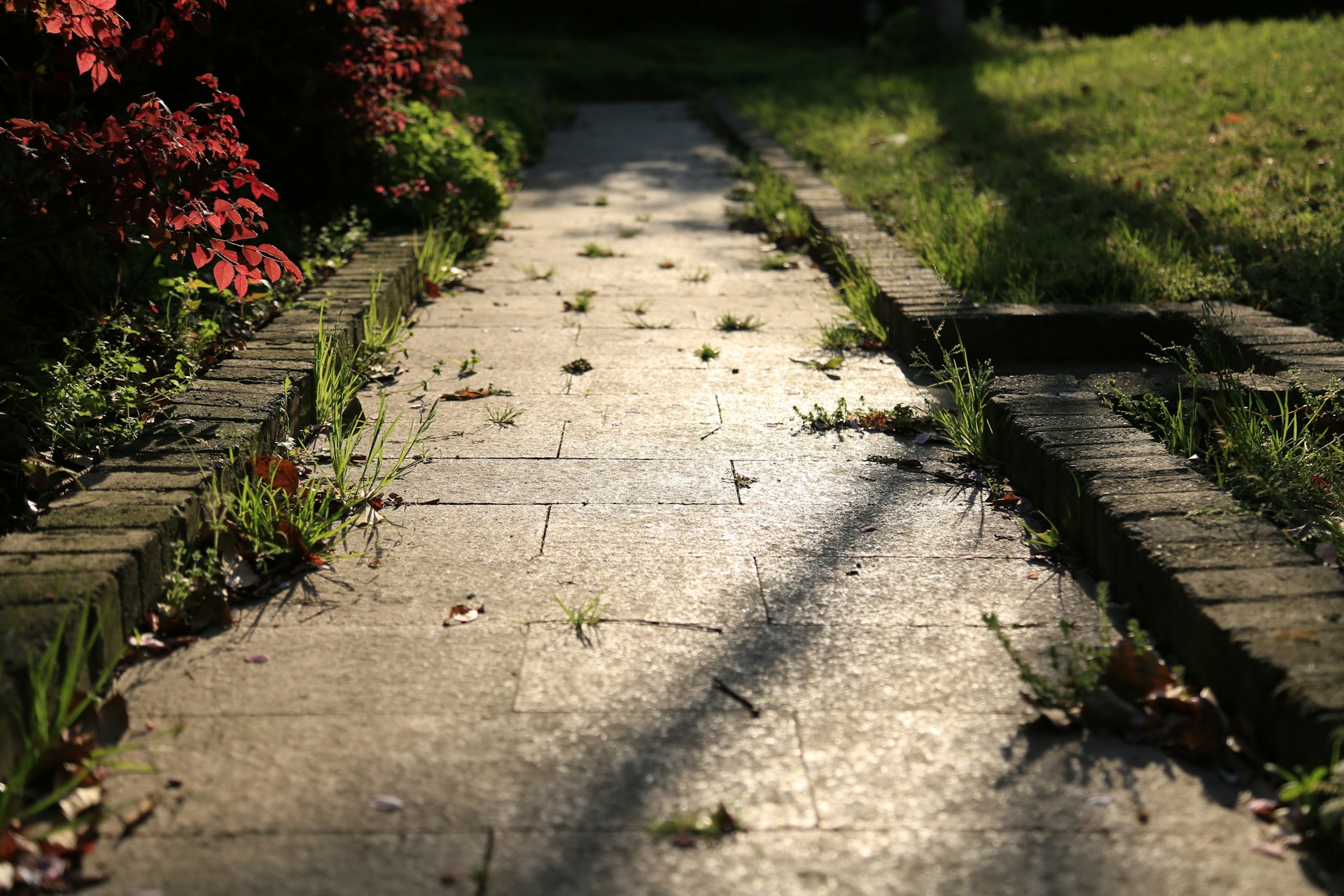
Stop Puddles From Ruining Your Brick Garden Path
A brick garden path should guide you through your yard, not through a puddle. When water sits on the surface, it can turn your path into a slick, muddy mess that nobody wants to walk on, especially after a rare but heavy summer storm or those late-year rains in the Los Angeles area.
When drainage is poor, water pools on top of the bricks or soaks in at odd spots. That can lead to:
- Slippery algae and green slime on the surface
- Sinking or rocking bricks that trip people
- Washed-out planting beds along the edges
- Moisture creeping toward your house or patio
The good news is you usually do not need to rip out the whole path. You can retrofit what you already have. The three main options are: lift-and-relay the bricks with a better base, add a channel drain to carry water away, or upgrade the joints to something more permeable so water can soak down instead of sitting on top.
We work with homeowners and contractors in and around Los Angeles who want job ready pavers, gravel, stone, and drainage parts. With the right materials and a smart plan, that problem brick garden path can still become a feature you are proud of.
Diagnose Why Your Brick Path Is Holding Water
Before picking a fix, it helps to understand where the water is going wrong. Most drainage issues on a brick garden path come from one or more of these:
- The path is sloped the wrong way, back toward the house
- The ground under the path is hard clay or very compacted
- Joints between bricks are clogged with dirt or moss
- There is no good place for water to leave the area
A simple hose test can tell you a lot. Run water gently on one end of the path and watch. Does it move in a steady direction, or does it sit and spread out? Follow the water and see where it stalls.
You can also use a straight board and a small level. Lay the board across any spot that tends to puddle. If the bubble sits level or slants toward a structure, that area is not shedding water like it should. Look closely for:
- Green slime or algae where water lingers
- White powdery stains, called efflorescence, along the edges
- Bricks that are heaving up or sinking down
Older Los Angeles yards often have extra challenges. Mature tree roots can lift bricks in wavy lines. Narrow side yards between a house and a fence trap water with nowhere to go. Irrigation overspray can keep the path wet even when it has not rained.
A light surface issue, like clogged joints, might only need a softer fix. If the base is soft, squishy, or clearly sloped the wrong way, that points to a deeper problem. In that case, a bigger retrofit is usually worth the effort to protect both the path and nearby structures.
Lift and Relay for a Better-Draining Brick Garden Path
Lift-and-relay sounds fancy, but it is pretty simple as an idea. The bricks you already have are carefully lifted, the base below is corrected and compacted, then the same bricks are put back down on a better slope.
Here is what usually happens during a lift-and-relay:
- Pull up the existing bricks and stack them so patterns can be reused
- Remove or fix the old bedding layer and any soft spots
- Install compacted base material, like road base or decomposed granite
- Set a light bedding layer of sand
- Use string lines to set a slope of about 1 to 2 percent away from the house
- Relay the bricks and fill the joints
Some clear pros:
- You keep the look and character of your brick garden path
- The base can be shaped so water drains in a planned direction
- It is often lighter work than a full rebuild with all new materials
There are a few downsides:
- It is labor-heavy and takes time to do right
- Once bricks are up, you might find you need more base material or geotextile fabric
- If bricks are cracked, flaking, or very uneven in thickness, they may not reset well
This method uses materials like compactable base rock, bedding sand, jointing products, string lines, and a plate-compactor. Because the base is so important, many people prefer to have a professional handle the heavy work, then help with planning, layout choices, and materials.
Add a Channel Drain to Move Water Off the Path
Sometimes the path itself is fine, but water is trapped in a tight spot. That is where a channel drain can be a strong solution. A channel drain is a long, narrow drain set flush into the surface. Water flows over the bricks, drops into the channel through a grate, then moves through a pipe to a safer place like a drain line or dry well.
Channel drains are especially helpful when:
- Your brick path runs right beside the house
- A narrow side yard has walls or fences on both sides
- The path meets a driveway or patio where water piles up
Pros of this approach:
- It grabs surface water quickly, even with clay or compacted subsoil
- It helps keep water away from foundations, door thresholds, and garages
- It can be paired with other fixes like better grading or new base material
There are tradeoffs:
- The bricks or pavers must be cut to fit around the drain
- The drain usually needs a solid footing, often concrete, underneath
- The water needs a clear, legal place to discharge, not just a neighbor’s yard
Looks matter in a brick garden path, and a drain does not have to stand out. You can choose grate colors and patterns that blend with brick tones, or contrast them on purpose for a clean, modern line. With matched drain components and well-cut pavers, the finished path can look neat and planned, not patched.
Upgrade Joints to Permeable for a Softer Fix
If your path has a decent slope and a generally firm base, sometimes the problem is on the surface only. Permeable jointing can help. Instead of dense mortar or regular joint sand, you use a joint material that lets water pass down between bricks into the base.
Permeable jointing can be:
- Special permeable joint sand
- Fine gravel in the joints
- Other open-graded joint materials designed for infiltration
Benefits of this approach include:
- You keep the classic brick garden path look
- Puddles shrink because water has more ways to move down
- Nearby plants can benefit from extra water soaking into the soil
There are some limits:
- It only works well if the base can store and slowly drain water
- It will not fix a flat or reverse-sloped path by itself
- Joints may need occasional topping off and light weed control
A simple retrofit usually means cleaning out the old joints, gently pressure washing the surface, letting everything dry, then sweeping in the new permeable joint material and compacting the surface. Many people like to plan this type of work for late summer so the path is ready before fall rain patterns return.
Permeable joints can also be part of a combo plan, like:
- Permeable joints plus a small regrade at one end of the path
- Permeable joints plus a discreet channel drain at the worst low spot
With the right jointing and base materials that work well with brick and surrounding hardscape, you can often calm down mild drainage issues without rebuilding the whole path.
Choose the Right Fix and Get Your Path Ready for Rain
So which option fits your brick garden path best? As a quick guide:
- Strong base issues, big dips or wrong slope, point toward lift-and-relay
- Trapped water near the house or in narrow side yards often needs a channel drain
- Mild puddling on an otherwise solid, sloped path may respond well to permeable joints
In the Los Angeles area, late summer is a smart time to plan drainage work. Days are still long, the ground is usually dry enough to reshape, and you can get everything set before guests start showing up for fall gatherings and holidays.
At Mr. Pavers, we work with both contractors and DIY-minded homeowners who want the right pavers, base materials, drainage parts, and jointing products for projects like this. Bring clear photos, simple measurements, or a quick sketch of your brick garden path, and we can help you think through slope, material choices, and whether your project is better handled by a pro or with some help on planning and supply.
Get Started With Your Project Today
Transform your outdoor space with a custom-designed brick garden path that enhances both beauty and function. At Mr. Pavers, we listen carefully to your vision and recommend solutions that fit your home, lifestyle, and budget. If you are ready to talk details, contact us so we can schedule a consultation and start planning your new path.