Mistakes DIYers Make When Choosing Landscaping Materials in LA
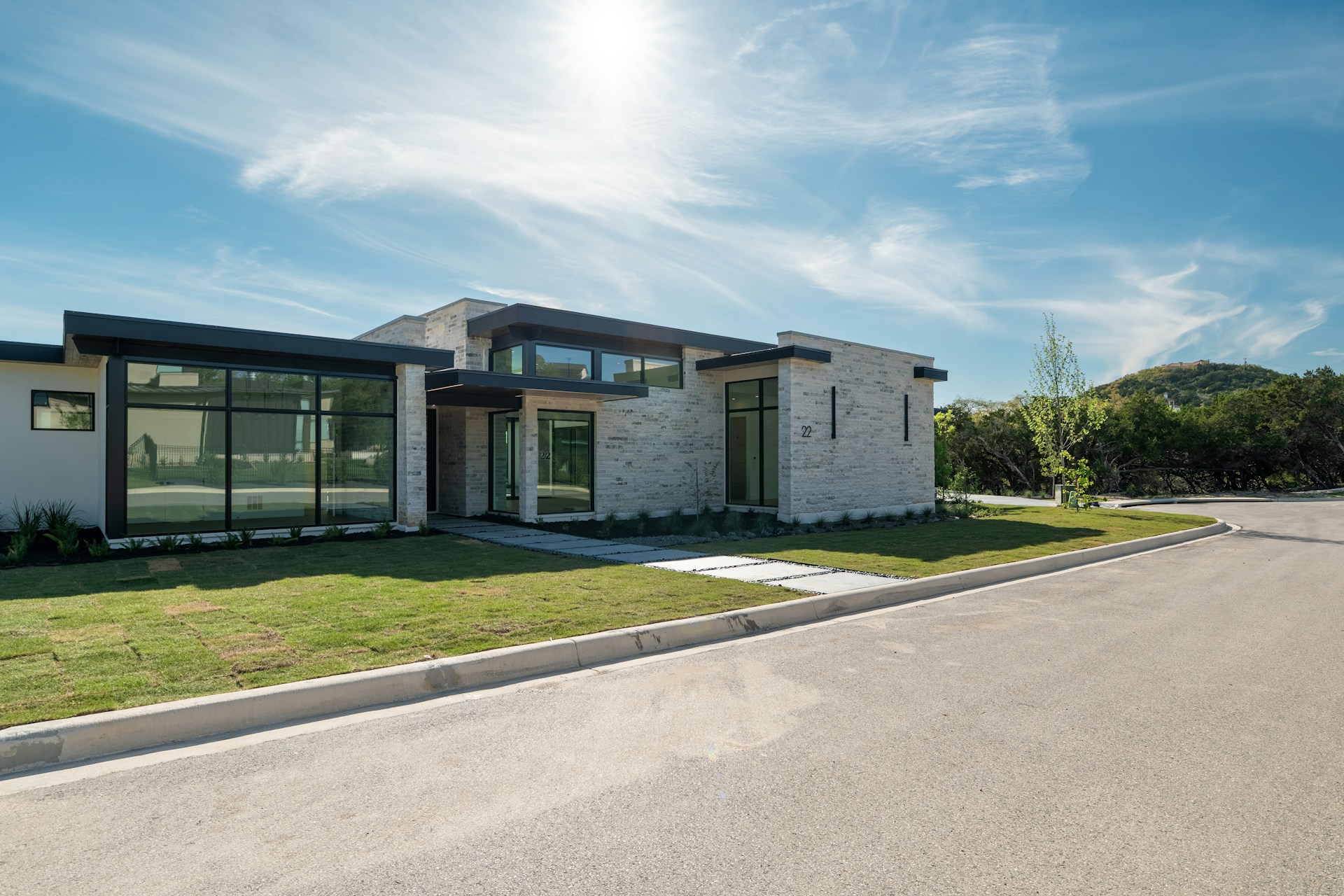
Stop Wasting Money on the Wrong Landscape Materials
Choosing landscaping materials in Los Angeles sounds simple at first. You pick some pavers, grab a few bags of gravel, maybe a roll of turf, and get to work. Then the first heatwave hits and pavers crack, gravel fades, or that new lawn turns brown in a week. Suddenly, the weekend project does not look so great.
LA is not an easy place for yard projects. We have intense sun, long dry spells, clay soils, hillside lots, and outdoor spaces that get used all year. When you pick the wrong materials, you pay for it in early repairs, messy cleanup, and do-overs. In this article, we walk through common mistakes DIY homeowners make when choosing materials, and how to pick options that hold up in real Los Angeles conditions.
Ignoring LA’s Climate When Picking Materials
One big mistake is choosing materials because they looked nice on social media or in a store display, without thinking about how they handle our heat and sun. LA has many microclimates. The Valley bakes, coastal areas stay more damp, foothills get strong winds, and some city yards trap heat.
When materials do not match those conditions, problems start fast:
- Low quality pavers fade or get chalky in strong UV
- Some composite products warp in long stretches of heat
- Cheap turf can melt, get sticky, or smell in hot spots
- Dark gravel or stone can get too hot for patios or play areas
Water is another big factor. Many DIYers still pick thirsty lawns or plants that need heavy watering. Others spread decomposed granite without stabilizer, which can turn into powder in dry weather and mud after a rare rain.
Better options often include:
- Turf rated for high heat with good drainage
- Gravel and stone that stay cooler underfoot
- Pavers designed to resist fading in strong sun
- Ground covers and mulch that work with low water use
The fastest way to avoid climate mistakes is to research local conditions or talk to a local supplier that understands Southern California sun, heat, and water rules. Matching materials to your exact area is the first step to a yard that actually lasts.
Overlooking Drainage and Slope on LA Properties
Many LA yards are not flat, and even small slopes matter. Our soils can be heavy and hold water, and when it does rain, it can come down hard and fast. Treating your yard like a flat, soft lawn can cause more trouble than you expect.
When drainage is ignored, you might see:
- Pavers lifting, sinking, or getting uneven
- Gravel washing into walkways or gutters
- Mulch sliding down a slope after a storm
- Water pooling against foundations, fences, or patios
Common DIY missteps include building patios on soil without a proper base, using soft or round gravel for driveways, or laying turf right on top of dirt without thinking about drainage and compaction.
A better approach is to plan drainage from the start:
- Use drain rock or other materials that let water pass through
- Install the right class of road base under driveways and patios
- Think about permeable pavers in areas that get a lot of water
- Make sure surfaces have at least a slight slope away from the house
When you choose base layers and surface materials that help water move where it should go, everything on top stays more stable and looks better longer.
Choosing Cheap Materials That Cannot Handle Heavy Use
Many homeowners judge materials by price alone. The problem is, a driveway, pool deck, or busy path has to handle real weight and foot traffic every day. If the material is not made for that kind of use, it wears out fast.
In LA, yards often pull double duty. Spaces do not just sit pretty, they work hard:
- Extra parking areas along the side of the house
- Paths to an ADU or studio in the back
- Outdoor kitchens and dining spaces
- Pool decks and seating areas for guests
Using bargain materials in these spots can create issues like:
- Thin pavers cracking or breaking under cars
- Decorative rock shifting where a compactable base is needed
- Light, fluffy mulch blowing away in Santa Ana winds
For driveways, walkways, and high traffic areas, it usually pays to choose contractor grade pavers, properly graded gravel, and heavier mulch or stone. These hold up better when people park, walk, run, and play on them every day.
Mixing Materials That Clash in Color and Style
Another mistake is grabbing whatever looks nice in the aisle, without thinking about how it fits the house. LA has many home styles, from Spanish to modern to traditional. When materials fight with that style, the yard can feel off, even if the work is done well.
Common clashes include:
- Ultra modern large concrete pavers next to a classic Spanish style home
- Cool gray stones pushed up against warm tan or cream stucco
- Bright white rock that creates harsh glare in the middle of summer
Our strong sun makes these clashes stand out even more. It also speeds up fading on lower quality pavers, turf, and mulch, which can change the color mix over time.
Before buying, it helps to build a simple color and style plan:
- Look at your roof color, stucco, trim, and any existing hardscape
- Decide if you want warm tones, cool tones, or a natural blend
- Choose 2 or 3 main materials that work together, not 6 or 7 that fight each other
- Bring samples home and look at them in morning and afternoon light
This kind of planning does not take long, but it makes a huge difference in how pulled together your finished yard feels.
Skipping Professional Guidance and Local Sourcing
Many DIYers rely on online photos, generic videos, or whatever happens to be on a shelf. The problem is, national advice rarely matches local soil, codes, or microclimates. A base recipe that works in a cool, wet area might fail on a hot LA slope with clay soil.
When you depend only on generic advice, you risk:
- Buying the wrong base materials or aggregate mixes
- Using turf that is not made for local heat levels
- Guessing at load ratings for driveways or parking pads
- Running short on materials in the middle of the project
Local suppliers see what works and what fails in area yards every day. They can help you look at full size samples, confirm if a material is right for your use, and figure out proper base layers, edging, and drainage support.
Before you buy, it helps to bring:
- Basic measurements of your space
- Photos of the yard and house from a few angles
- Notes on how you plan to use each area, like parking, play, or lounging
With that info, a local yard can point you to materials that match LA conditions and help your project turn into a lasting upgrade instead of a short term experiment.
As a local supplier, we see both the mistakes and the success stories across Los Angeles. When homeowners treat material choice as step one instead of an afterthought, projects hold up better, look more finished, and stay comfortable through long, sunny seasons.
Get Started With Your Project Today
Transform your outdoor space with the right foundation of quality materials and expert guidance from Mr. Pavers. Explore our curated selection of landscaping materials in Los Angeles to find everything you need for a long-lasting, beautiful result. If you would like personalized recommendations or have questions about your project, simply contact us and we will help you plan your next steps.