Questioning Gravel Garden Pathways for Los Angeles Side Yards
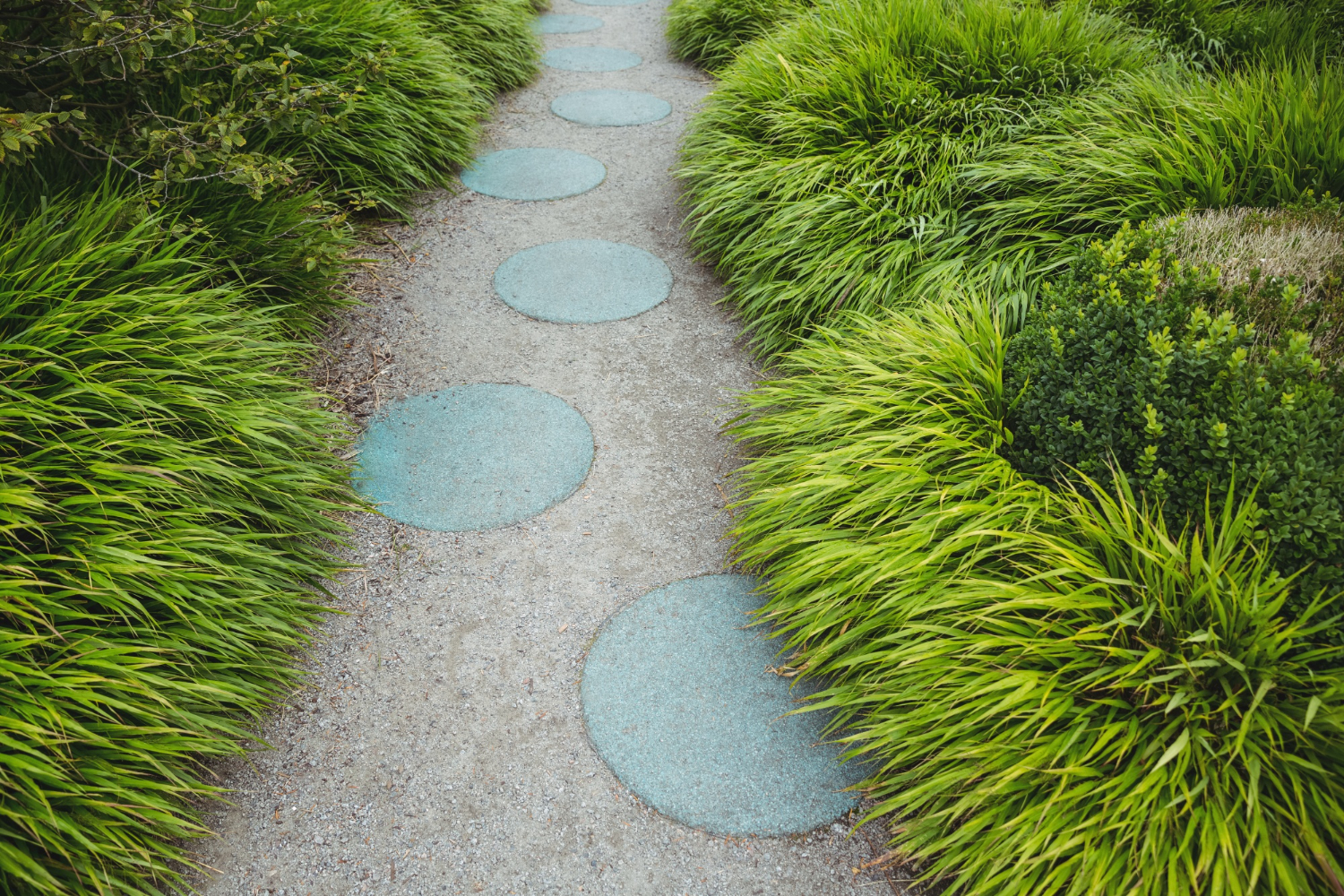
Gravel garden pathways are all over Pinterest and Instagram, so it is easy to think they are the perfect fix for that long, narrow side yard in Los Angeles. They look simple, natural, and low-cost, and many homeowners hope they will turn a forgotten strip of ground into a calm, stylish walkway.
But side yards in our city are not simple. They are tight, often shady on one side and blazing hot on the other, close to windows and fences, and they sit right where water and foot traffic naturally want to go. In this article, we want to slow things down a bit and question if gravel is really the best answer for your space, your budget, and how much upkeep you are willing to handle over time.
Rethinking Gravel Paths in Tight Los Angeles Side Yards
Gravel garden pathways are popular because they seem easy: spread some rock, add a few plants, and you are done. For a narrow side yard, it feels like a quick way to cover dirt, keep mud down, and make the area look finished without heavy construction.
But Los Angeles side yards come with their own set of quirks:
- Long, skinny runs that collect leaves, dust, and trash
- Neighbors just a fence away, so noise and mess matter
- Microclimates where one end bakes in sun and the other stays shaded
- Water rules that push you toward low-water materials and plants
When we look at all of that together, it makes sense to pause before copying a trend photo. A side yard is not just something to look at; it is a working path. Trash cans move through, kids cut across, pets use it daily, and service workers need clear, solid footing. Gravel can work in some cases, but it is worth asking hard questions first.
What Gravel Garden Pathways Really Cost You Over Time
Gravel often feels like the “cheap” choice compared with concrete, pavers, or decomposed granite. The material itself can seem simple, and many people think they can just spread it on top of dirt and be done.
But here is what tends to show up later with loose gravel paths:
- Regular top-ups as the rock sinks into soil or gets kicked out
- Weed control, especially along edges and anywhere sunlight hits soil
- Edging repairs when plastic or metal borders shift or pop up
- Cleaning tracked gravel from floors, patios, and even pool decks
There is also the cost you do not see on a receipt: the feel of the space. A side yard with a solid, stable path signals care and quality. When it comes time to sell, a buyer walking along a firm, even surface will notice that more than a layer of loose rock that shifts underfoot.
Gravel Performance in Los Angeles Heat and Rain
Our hot, dry summers are tough on gravel garden pathways. Light-colored rock can reflect a lot of sun, which can bounce heat back onto your house walls, fence, and nearby plants. The surface can feel sharp or hot on bare feet, and many pets do not enjoy walking across it.
During rare but strong winter rainstorms, loose gravel can behave badly:
- Rock can move downhill, leaving thin spots and bare patches
- Wheels from trash cans or carts can dig ruts or cause washouts
- Fine particles can clog drains or pile up against the house
Soil and slope matter too. Many Los Angeles homes sit on compacted or clay-heavy soil that does not drain quickly. On a slope, water may rush along the side yard and carry gravel with it. That can create uneven footing, erosion near the foundation, and puddles where you least want them.
Everyday Use, Pets, and Maintenance Realities
Think about how often you actually walk through your side yard: on trash day, during deliveries, when kids run from front to back, or when someone needs to reach the AC unit or utility panel. With loose gravel, every one of those trips can kick rock out of place.
Daily life can turn that pretty path into a chore:
- Wheels from carts or bins sink and grab instead of rolling smoothly
- Shoes and paws track small stones into the house and onto patios
- Gravel drifts into plant beds, where it is hard to clean out
If you have pets, there is even more to consider. Dogs often like to dig in gravel, which scatters rock and exposes the base underneath. Some pets avoid walking on sharp gravel at all. Plus, in a tight side yard with limited airflow, pet urine can leave smells in the rock and in the dust between pieces.
To keep a gravel path looking decent, you will likely need to:
- Rake it to smooth out low spots and scatter piles
- Pull or treat weeds that find light and tiny soil pockets
- Add new gravel when the base starts to show or the surface thins
That “simple” path can slowly turn into a repeating weekend task.
Smarter Alternatives for Stylish, Low-Mess Side Paths
If you like the natural look of gravel garden pathways but want less mess, there are other options that still feel relaxed and not too formal.
Some materials to consider include:
- Interlocking pavers for a smooth, stable surface with many color options
- Permeable pavers that allow water to pass through into the ground below
- Stabilized gravel or decomposed granite that is bound so it does not stay loose
You can also mix materials in smart ways. A few ideas many homeowners enjoy:
- Large paver pads set into decorative rock, so your foot lands on solid stone
- Mulch bands with paver strips where carts and trash cans roll
- Turf or low-water groundcover with stone accents to cool things visually
With the right setup and pro-grade materials, you can create a path that looks natural, drains well, and stays comfortable to walk on without constant raking or sweeping.
Designing a Side Yard Path That Works All Year in LA
Late summer is when many people notice how hot and dry their side yards feel, and they also start to think ahead to the next rainy season. That is the perfect time to plan a path that works in both extremes.
When you design your side yard, keep a few layout ideas in mind:
- Decide if a straight shot or a gentle curve makes more sense for access
- Leave clear space around AC units, meters, and storage areas
- Add simple lighting so guests and delivery drivers can see where to step
Plants make a big difference too. Along a firm path, consider:
- Drought-tolerant borders that do not need much water or trimming
- Shade-friendly plants in tighter spots between houses
- Low, soft greenery that hides edges and breaks up hard materials
This balance of solid footing and soft planting gives you a side yard that feels finished and easy to live with, instead of a forgotten service alley.
Plan Your Next Step Beyond Basic Gravel
Gravel garden pathways are not always wrong, but they are not always the best fit for narrow Los Angeles side yards either. When you look at heat, rain, pets, daily traffic, and long-term upkeep, it becomes clear that a more stable surface often makes life easier.
A simple way to think it through is to ask:
- How much foot traffic and rolling traffic will this path see?
- Do I have pets that dig, scatter, or avoid rough rock?
- Is the area flat, or does water want to run through it?
- Am I okay with regular raking, or do I want a “set it and forget it” path?
- How important is this space for long-term comfort and resale?
At Mr. Pavers, we work with both contractors and DIY homeowners across the Los Angeles area, and we see how much difference the right material choice can make in a narrow side yard. A thoughtful path design today can keep that skinny strip next to your house clean, safe, and good-looking for many years to come.
Get Started With Your Project Today
Transform your outdoor space with thoughtfully designed gravel garden pathways that are built to last and easy to maintain. At Mr. Pavers, we listen to your ideas, assess your landscape, and create a clear plan that fits your style and budget. If you are ready to move forward or have questions about your options, contact us and we will help you take the next step.