Gravel Gardens for Small Los Angeles Yards
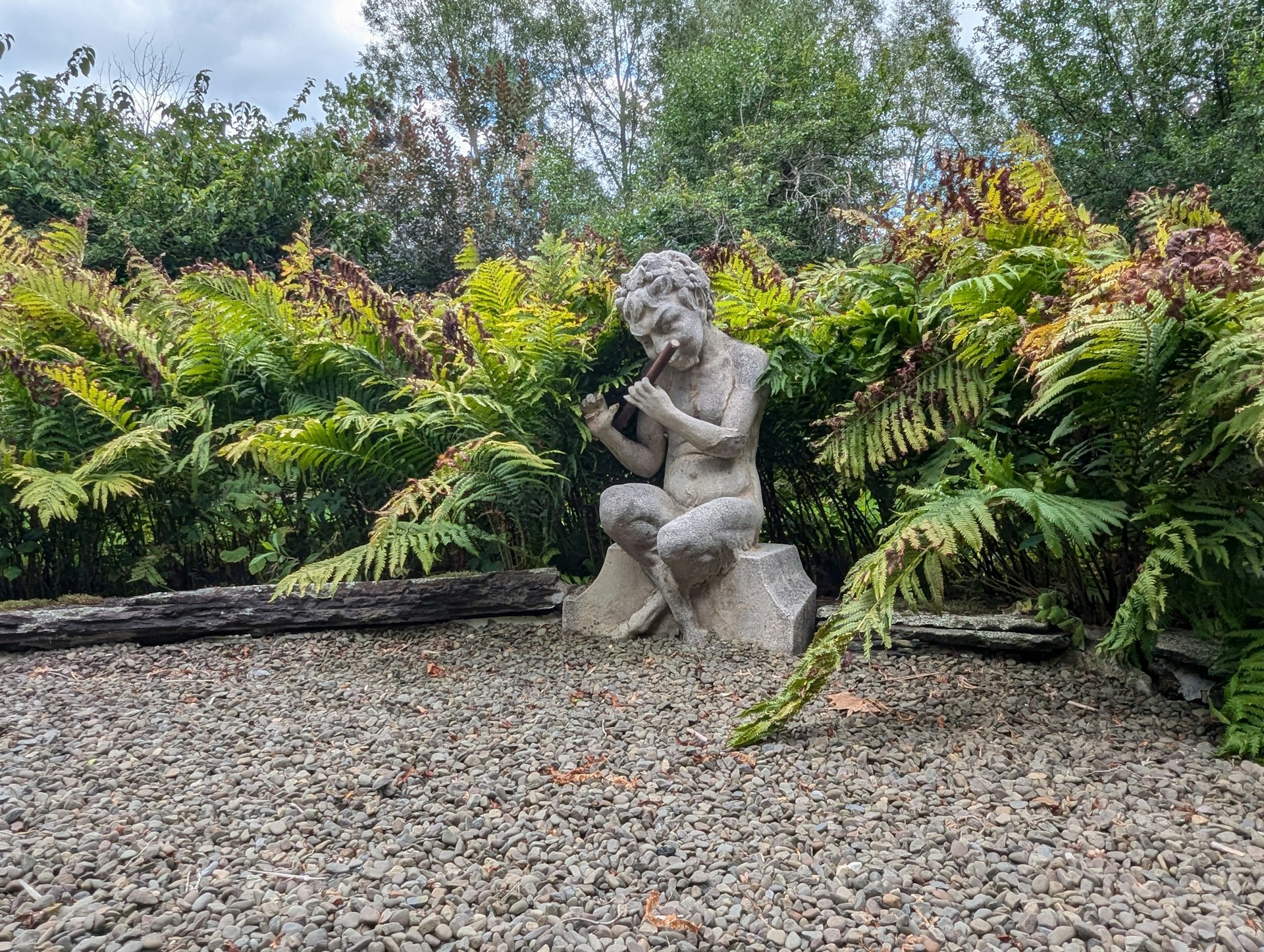
Turn Your Small LA Yard Into a Relaxing Gravel Oasis
A small yard in Los Angeles can still feel like a true outdoor escape. Even with water rules, hot sun, and tight spaces between homes or units, you can create a calm, low-water retreat that fits your real life. Gravel garden design works especially well for compact spots that need to stay neat, simple, and easy to care for.
A gravel garden is a low-water outdoor design that uses gravel, stone, and drought-friendly plants instead of big lawns. It works in tiny backyards, skinny side yards, or that awkward front strip by the sidewalk. With the right layout, it helps control water use, handles heat, and keeps things looking clean and modern.
For Los Angeles homeowners and small multi-unit properties, gravel gardens can bring clear benefits: lower water use, less upkeep, better drainage when those rare heavy rains hit, and a style that feels current and uncluttered. Here, we will walk through smart design for tight spaces, real-world planning around rules, and how to decide if you should go DIY or work with a pro, so you can move forward with confidence.
Smart Gravel Garden Design for Tight Los Angeles Spaces
Before picking out gravel or plants, you want to really understand your small yard. Take a tape measure and note the total square footage. Watch where the sun hits in the morning, at midday, and in the late afternoon. Think about how you want to use the space: quiet reading chair, simple dining area, pet zone, or a path that connects the front and back.
Helpful questions to ask yourself include where you naturally walk now and where you trip over things, whether you need a spot for a grill or small table, if kids or pets need a clear area, and whether you love plants or would prefer mostly clean gravel with a few strong accents.
For layout, gravel gardens work well when you break the space into small “rooms.” Even in a narrow side yard, a gentle curve in the path can soften the feel and make the area seem wider. Common ways to structure the space include:
- Creating a clear gravel path from gate to door
- Carving out a small seating corner with two chairs
- Keeping one planted strip along a fence or wall
Plant choice matters in our dry climate. Gravel garden design in LA usually leans on:
- Native or Mediterranean-style shrubs and perennials
- Succulents that can handle bright sun and reflected heat
- Ornamental grasses that move in the breeze
- Containers near seating areas for flexible color and height
The gravel itself sets the mood, and different materials behave differently in small yards. Decomposed granite gives a more natural, compacted look and works well for paths or seating zones. Pea gravel feels softer underfoot but can shift more. Crushed rock in light tones can brighten tight spaces and bounce some heat away. You also want clear edging, such as metal, stone, or concrete, along beds and paths so the gravel does not wander into planting or onto neighbors’ property.
Drainage is key in Los Angeles. The yard should gently slope so water runs away from the house, garage, and any structures. A well-planned gravel garden lets water soak in where it should, instead of pooling at doors or slipping through to adjoining lots.
For late summer and fall comfort, consider:
- Shade sails or a simple pergola over a seating pocket
- Light-colored gravel so surfaces do not get as hot
- Low-voltage lighting on paths and steps for evening use
- A safe, level pad for a portable fire pit or heat source
Budgeting Your Gravel Garden: Realistic Costs in LA
When people plan a new gravel garden, they often think only about the rocks and plants, but there is more going on under the surface. Typical parts of a project include:
- Removing old grass, plants, or broken concrete
- Grading and shaping the soil
- Installing a weed barrier where needed
- Adding base materials and top gravel
- Placing edging, boulders, or stepping stones
- Adding plants, drip lines, and timers
Costs also shift depending on access and site conditions. A narrow side gate or long walk from the street can change how materials are moved in and out. If tree roots, old pipes, or surprise debris show up, that can change the plan. Slopes or tricky drainage may call for extra grading or small retaining features.
If you prefer to pace yourself, you can think in phases. Many owners start with:
- The main path from the door or gate
- One key seating or lounge spot
- A simple planting strip to soften a fence
Then they add more detail over time, such as extra container plants, accent boulders, or a larger patio area. Choosing locally stocked gravel and stone can also help keep choices clearer and timing smoother, since you are working with materials that are already available in the area.
While there are upfront project costs, plenty of people see ongoing savings. A gravel garden with drought-tolerant plants uses much less water than a traditional lawn, and plants often hold up better through hot spells. There is no weekly mowing or edging, and you avoid many of the seasonal care tasks that come with turf.
Permits, HOA Rules, and LA Area Regulations to Know
Most small gravel gardens fall under simple landscaping, but it is smart to know where lines are drawn in the Los Angeles area. Extra review may be needed if you plan:
- Major grading or soil movement
- Big changes to drainage patterns
- Retaining walls or steps of certain heights
- Permanent overhead structures
Local rules often focus on where water goes when it rains. Your project should not send water rushing onto a neighbor’s property or block drainage paths. City trees, easements, and utility lines also matter, especially in front yards or shared spaces.
If you are part of a homeowners association or similar group, there may be:
- Rules on how much of the front yard can be gravel
- Approved plant lists or minimum greenery requirements
- Color or style guidelines for rock and hardscape
- Limits on what furniture or storage can be seen from the street
A simple preproject checklist helps keep things smooth:
- Read city or county information on residential landscaping
- Call the building department before adding any wall or structure
- Review HOA or CC&R rules for front and side yards
- Note any shared fences, drains, or common walkways
Planning in late summer for a fall build gives enough time to get answers, adjust designs, and avoid surprise stop-work orders or expensive redo work.
DIY or Hire a Pro for Your Gravel Garden Project
Some gravel garden projects are small and simple, while others are closer to a full outdoor build. The choice between DIY and hiring a pro comes down to site conditions, your comfort level with physical work, and how exact you want the final result to be.
DIY often fits better when:
- The space is mostly flat and easy to reach
- There is only light removal of plants or surface material
- The design is simple, such as one path and one seating area
- You are comfortable with basic tools and physical labor
In other cases, working with a professional makes more sense. Signs you might want expert help include:
- Sloped yards that need terracing or small walls
- Drainage problems, pooling water, or tight shared lot lines
- Plans that combine pavers, steps, turf, and gravel in one design
- Multi-unit properties where rules and access are more complex
A typical build, whether you are watching a crew or reading about the process, follows a clear order: old turf or groundcover is removed, soil is graded and compacted, and any needed weed barrier and edging are set in place. Base rock goes down and is compacted, then decorative gravel is spread on top. Plants and irrigation lines are added at the end so they sit at the right height and do not get buried.
- When you choose a pro, it helps to:
- Check that they are properly licensed and insured
- Look at past drought-tolerant or gravel-heavy projects
- Ask about how they handle drainage and soil prep
- Request clear written plans and timelines
Gravel, stone, and paver suppliers can also support both DIY owners and contractors by helping with material choices, quantities, and delivery timing so the right products show up when needed.
Start Planning Your Late Summer Gravel Garden Makeover
Late summer and early fall are great times to plan and build a gravel garden in Los Angeles. The days are still long, evening work is more comfortable, and new plants can settle in before the winter rain season. By the time holidays and family visits arrive, your outdoor space can feel organized, calm, and ready to use.
- A simple action checklist can keep you on track:
- Measure your yard and mark sun and shade zones
- Sketch a basic design with a path, seating, and planting areas
- Review local rules, permits, and any HOA guidelines
- Decide if your project fits DIY or if a pro is the better fit
- Price out materials and plan delivery and work timing
Local suppliers like Mr. Pavers, right here in the Los Angeles area, make it easier to compare gravel types, colors, and sizes in person. You can see how different stones work with pavers, edging, and artificial turf, and ask questions about what performs well in our climate and soil. With a bit of planning around design, rules, and how you want to build, even the smallest LA yard can turn into a simple, low-maintenance gravel garden that you enjoy all year.
Get Started With Your Project Today
Transform your outdoor space with a custom gravel garden design tailored to your property and lifestyle. At Mr. Pavers, we take the time to understand your goals so every detail works beautifully, from layout to materials. Reach out today and let us walk you through options, timelines, and budget in plain language. If you are ready to move forward or have questions, simply contact us and we will help you plan the next steps.