Questioning Concrete Garden Blocks for Lightweight Planters
Rethinking Heavy Garden Concrete Blocks for Planters
Many Los Angeles yards, patios, and balconies get a second look in late summer. Kids are going back to school, holidays are coming up, and people start thinking, “How can we make this outdoor space feel better before fall planting?” Planters are usually high on that list.
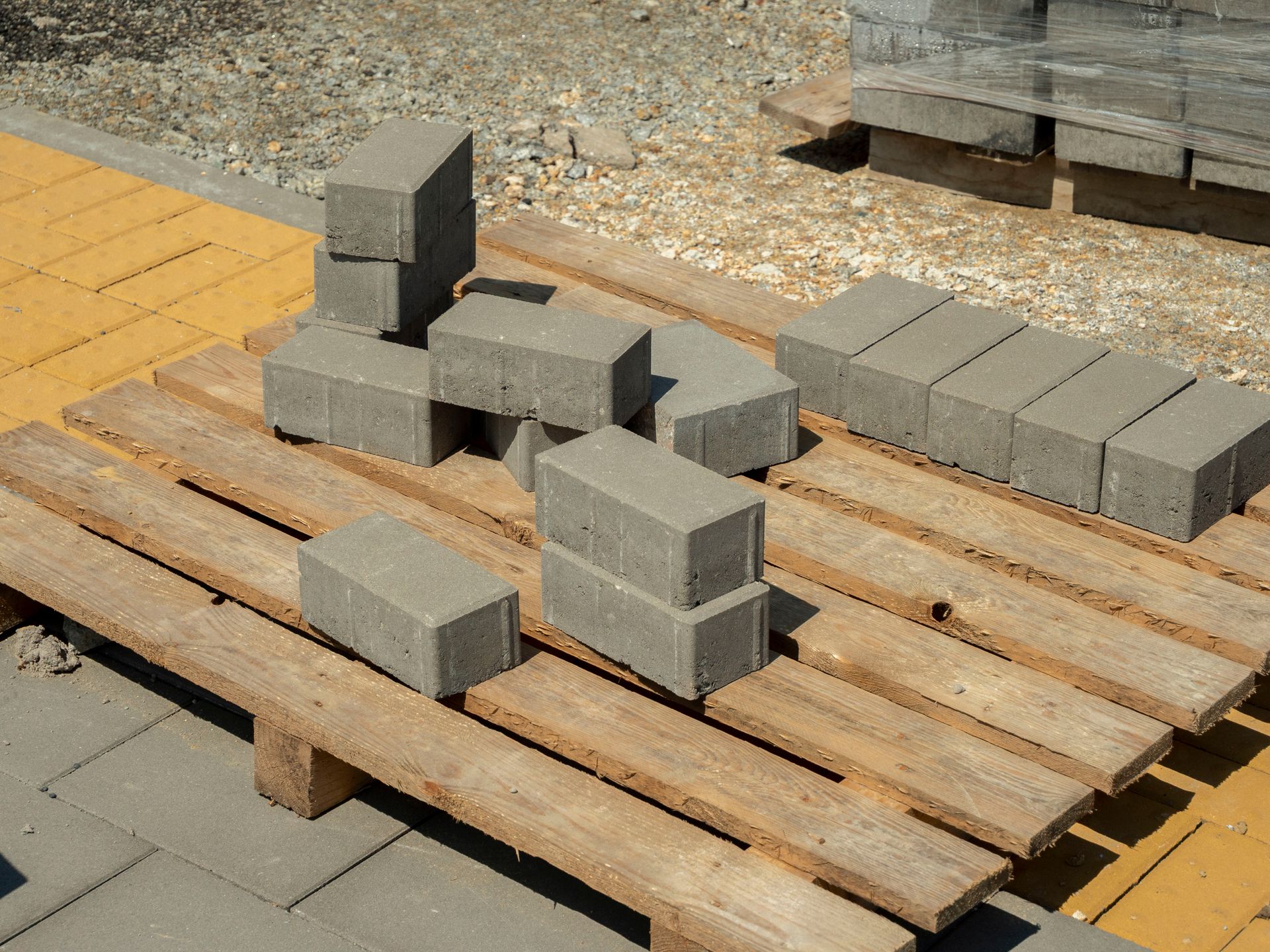
Garden concrete blocks often seem like an easy answer. They are easy to find, they feel solid, and they look simple enough to stack. But once they are full of soil and plants, they can turn into heavy, permanent lumps that are hard to move and hard on raised structures.
So it is fair to ask: are garden concrete blocks really the best choice for planters in small, modern spaces, or are there lighter options that still look clean and professional in our Southern California climate? As a local supplier of hardscape materials, we work with both contractors and DIY homeowners, and we see how the right planter materials make a big difference from day one.
Pros and Cons of Garden Concrete Blocks as Planters
Garden concrete blocks do have a place in outdoor projects. They are strong, they stack nicely, and they feel very secure. But when used as planters, they bring some trade-offs you will want to think through.
Weight and structural impact
Standard blocks are dense. On the ground, that is fine. On a balcony, old deck, or rooftop patio, it can turn into a real problem.
Here is what heavy blocks can mean for your space:
- Extra load on balconies, decks, and rooftop slabs
- More stress on older structures that already have wear and tear
- Planters that are almost impossible to slide, lift, or rearrange
Once those block planters are filled with soil and watered often, the total weight can be much more than people expect. That makes it tough to move planters to chase the sun in winter or add shade in peak summer.
Durability and plant health
There are good reasons people reach for concrete:
- Strong and long lasting outdoors
- Can support raised beds and small retaining situations
- Do not rot like untreated wood
But there are plant-focused concerns too:
- In full LA sun, blocks can absorb heat and warm the soil more than you want
- Concrete is alkaline, and over time it may affect soil pH around root zones
- When used as makeshift pots, blocks do not include thoughtful drainage design
Without proper drainage layers and planning, water can pool at the bottom, which is tough on roots and can stain nearby paving.
Aesthetic flexibility and design limits
Garden concrete blocks are modular, so they are handy for:
- Simple geometric planter walls
- Tiered steps and borders
- Quick raised beds along fences
The trade-off is the design look. Standard block usually comes in limited colors and textures. Compared to manufactured pavers, decorative wall units, or stone, block alone often feels more like a construction project and less like a finished outdoor room. For patios and balconies where every detail shows, that can hold the space back.
Lightweight Alternatives That Still Look Professional
If you like the idea of long-lasting planters but do not love the weight or look of basic block, there are lighter choices that still feel solid and intentional.
Engineered wall blocks and paver-based planters
Many modern retaining wall systems and pavers are designed with weight in mind. Some units are hollow or shaped so that you get strength without as much mass per piece. With smart installation, they offer structure while keeping things more manageable for small spaces.
People often use them to build:
- Seat-wall planters along patio edges
- Low raised beds that double as casual seating
- Perimeter boxes that frame a balcony or courtyard
Large-format pavers can also act as caps or bases for planter boxes, tying the space together and giving it a polished finish.
Composite, stone, and hybrid planter solutions
You can combine different materials to keep weight down and style up:
- Composite or fiberglass containers for balconies and roof decks
- Thin stone veneer applied to lighter cores for a natural look
- Metal-edged beds with gravel bases for modern lines
By pairing these lighter planters with paver patios or decorative gravel, you spread out the load instead of piling it all into solid concrete.
Matching materials to LA’s climate and spaces
Our area deals with bright sun, strong UV, and occasional heavy rain. Lighter, better suited planter systems can:
- Handle temperature swings with less cracking
- Resist fading and surface damage from direct sun
- Allow easier adjustments if wind or drainage becomes an issue
For small urban yards, balconies, and rooftop terraces, thinking about weight, wind, and drainage at the same time helps prevent problems later.
How to Design Safer, Lighter Planter Layouts
Before picking any material, it helps to step back and look at the big picture of your space.
Start with structure and load limits
Ask yourself where the planters will sit:
- Directly on soil
- On a concrete slab
- On a raised wood or steel deck
- On a balcony or rooftop
Ground-level soil and solid slabs usually give you more freedom. Elevated structures are different. Many homeowners choose to check load limits or speak with a contractor or engineer, especially if they were originally planning to use a lot of garden concrete blocks on higher levels.
Plan for drainage, irrigation, and soil depth
Good planter design keeps plants happy and structures safe. A few basics:
- Create a drainage layer, often with gravel or a suitable aggregate
- Include weep holes or drainage paths so water can exit
- Match soil depth to plant type, not just the height of the wall
- Plan simple drip irrigation or soaker lines for water-conscious gardening
Thoughtful drainage helps protect decks, pavers, and balconies from sitting water and staining.
Create functional zones with the right materials
You can shape your space so it works better without stacking heavy block everywhere. Try using:
- Pavers for main walking paths and small seating pads
- Decorative gravel to fill in between planters without extra weight
- Mulch in planting zones to keep soil covered and cooler
Mix lower, lighter planters with vertical add-ons like trellises, screens, or rail planters. This gives you height, privacy, and green views without loading up the structure with thick block walls.
When Garden Concrete Blocks Still Make Sense
All of this does not mean garden concrete blocks are “bad.” They just need the right setting and plan.
Ground-level and structural applications
Blocks still work very well when:
- Weight is supported by solid ground
- You are building structural retaining walls
- You need strong backbones for outdoor kitchens or heavy features
They can also serve as a hidden core. You can build the structure in block, then face the outside with stone or more decorative wall units to get a refined finish.
Budget-friendly and DIY-friendly projects
For some projects, keeping material choices simple matters more than anything. Blocks can support:
- Larger raised beds in big, flat yards
- Terraces on sloped ground
- Permanent garden edges and seating walls
With the right planning, liners, and finishes, DIYers can soften the look and protect plants while still using block as the main support.
Blending blocks with lighter elements
You do not have to choose only one material for the whole property. A smart approach is:
- Use heavier block elements at ground level where weight is not a concern
- Switch to lighter planters, composite containers, and metal-edged beds on decks and balconies
- Repeat colors and textures across materials for a unified feel
Thinking of garden concrete blocks as one tool in the toolbox, instead of the default answer for every planter idea, opens up better, lighter designs that still feel strong and long-lasting for Southern California outdoor spaces.
Get Started With Your Project Today
Transform your outdoor space with our high-quality garden concrete blocks that are made to last and easy to install. At Mr. Pavers, we help you choose the right styles and quantities so your project comes together smoothly from start to finish. If you have questions or need a custom recommendation, simply contact us and we will guide you every step of the way.