Evaluating Concrete Garden Blocks for Outdoor Seating Bases
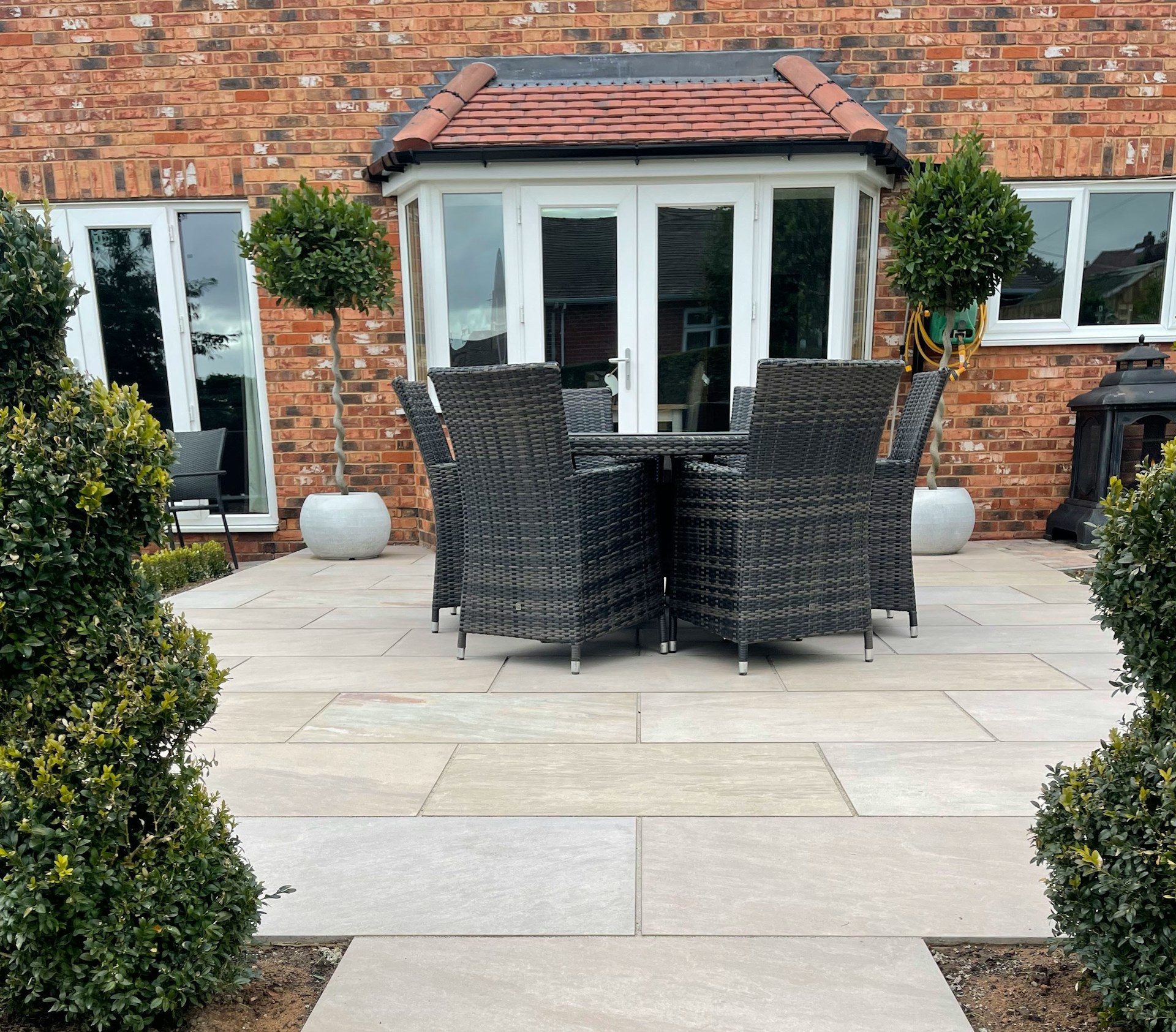
Build a Solid Seating Base That Lasts
A great outdoor seating area starts under your feet. Before we talk cushions, colors, or string lights, the base has to be solid, level, and built to handle real life. If the ground shifts or sags, you end up with wobbly chairs, tilting benches, and guests trying to balance their drinks.
Concrete garden blocks give homeowners and contractors a smart way to build that base. They are modular, strong, and work well under benches, lounge sets, or built-in seating near a fire pit. Late summer is a perfect time in the Los Angeles area to set up these bases so patios, side yards, and backyards are ready for fall gatherings and long evenings outside.
What Makes a Good Outdoor Seating Base
A good seating base does more than just sit there. It has to hold weight, drain water, and stay steady even when the ground underneath wants to move.
Key jobs of a proper base include:
- Carry the weight of people, furniture, and accessories
- Let water drain away instead of pooling under legs and frames
- Resist soil movement so chairs and benches do not rock
- Keep materials out of constant contact with wet soil
Common base options include:
- Poured concrete slab: Flat and strong, good for long-term, heavy use areas
- Gravel pads: Flexible and draining, often used under movable seating and small sheds
- Compacted decomposed granite: Smooth to walk on and easy to shape into paths and pads
The right base helps protect wood, metal, and cushions by lifting them away from damp soil. That means less rust on chair legs, fewer rotten wood posts, and cushions that are not sitting in mud after a big rain. When you think about how often you use your outdoor space, having a base that guards your furniture is a quiet, long-term win.
Evaluating Concrete Garden Blocks for Strength and Stability
Concrete garden blocks are often used for edging and small walls, but they also work well as the hidden muscles under a seating area. They spread out the weight of benches, sectional lounges, and even pergola-style seating so there are fewer pressure points in the soil.
Their strength depends on a few key details:
- Block size and thickness, which affect how much load each block can carry
- Density of the concrete, which adds weight and durability
- Interlocking or stackable design, which helps keep rows aligned
- Proper sub-base preparation, including compacted base rock and sand
When the ground under the blocks is compacted and level, the blocks act like a small, modular foundation. For light seating, such as simple benches or low lounge sets, standard concrete garden blocks are often enough when spaced and supported well. Heavier projects, like outdoor kitchen units or thick solid-wood seating, may call for larger blocks, more blocks grouped together, or closer spacing so the load is spread out over a bigger footprint.
Design Flexibility and Aesthetics with Concrete Garden Blocks
Concrete garden blocks offer a lot of design freedom. Because they come as individual units, you can shape your seating zones instead of forcing everything into a single square slab.
They work nicely for:
- Straight runs of bench bases along a fence or wall
- L-shaped lounge areas around a coffee table or fire feature
- Gentle curves that invite conversation in open parts of the yard
On the visual side, block textures and colors can blend with many surfaces. You can pair them with concrete pavers, gravel, artificial turf, or planters. In some designs, the blocks stay hidden under wood framing or paver caps. In others, the block faces are part of the look and can echo nearby garden borders or steps.
In Los Angeles yards, space is often at a premium. On compact patios, concrete garden blocks can help create a thin, strong base that does not eat up a lot of height. On sloped lots, they can be stepped or terraced to bring a small seating zone to level. Even in narrow urban side yards, a row of blocks can form a defined, raised pad for a love seat or a couple of lounge chairs, turning unused space into a small, useful retreat.
Longevity, Maintenance, and Climate Considerations
In the local climate, where sun and dry spells are common and heavy rain shows up only once in a while, concrete garden blocks hold up well. They are not bothered by everyday heat and do not soften like some plastics. With minimal freeze and thaw cycles, cracking from temperature swings is less of a concern than in colder areas.
Drainage and erosion still matter. A long-lasting base usually includes:
- A layer of compacted base rock under the blocks
- A thin leveling layer of sand to fine-tune height and pitch
- Slight grading so water flows away from seating areas
Over time, it helps to inspect the blocks for movement, settling, or cracks. Small dips can often be fixed by lifting a block, adding or adjusting base material, and placing the block back. This is one of the benefits of a block system: you can address a problem area without removing the whole seating zone or breaking out a solid slab.
When to DIY and When to Call a Pro
Concrete garden blocks might look simple, but a seating base is still a structural project. Alignment, compaction, and layout all affect how safe and comfortable the finished area feels.
Some projects that may suit confident DIY homeowners include:
- Short bench bases along a straight edge
- Simple rectangular pads for a small bistro set
- Low seating platforms on already fairly level ground
On the other hand, it usually makes more sense to work with a contractor when:
- The seating area is large or must carry heavy loads
- The design includes retaining edges or raised platforms
- The site is sloped, has poor soil, or has tricky drainage issues
Pros understand how different base materials, like base rock and sand, work together under concrete garden blocks. They also know how to choose block types that match the pavers, caps, or other hardscape features in the same project. This kind of planning helps the whole space feel thoughtful and tied together.
Choosing and Sourcing Concrete Garden Blocks in LA
Picking the right concrete garden blocks for a seating base starts with the design. The dimensions of each block should match the layout, so rows line up with paver joints, caps, or the frame of built-in benches. Style matters too, especially if the block faces will be visible around the base.
When planning, consider:
- Block length, width, and height, to match your seating footprint
- Surface texture and color, to coordinate with nearby paths and patios
- Compatibility with any caps or pavers that will sit on top
To estimate quantities, sketch the seating area and break it into rows or groups of blocks. Count how many blocks fit in each row, then add a few extra for cuts, corners, or on-site adjustments. Do the same for base rock, sand, and any edging or caps you plan to include so you can complete the project without delays.
Concrete garden blocks fit well with the professional-grade landscaping and hardscape materials that many Los Angeles homes now use. With the right block choice and a well-built base, outdoor seating can feel steady, look clean, and stay that way through many late-summer and fall gatherings.
Transform Your Outdoor Space With Lasting Curb Appeal
Upgrade your landscaping with durable, stylish concrete garden blocks that bring structure and character to your yard. At Mr. Pavers, we help you choose the right styles and quantities so your project comes together smoothly. If you need guidance on design, installation, or ordering, contact us and we will walk you through the next steps.