Questioning Gravel Garden Design for Windy Los Angeles Yards
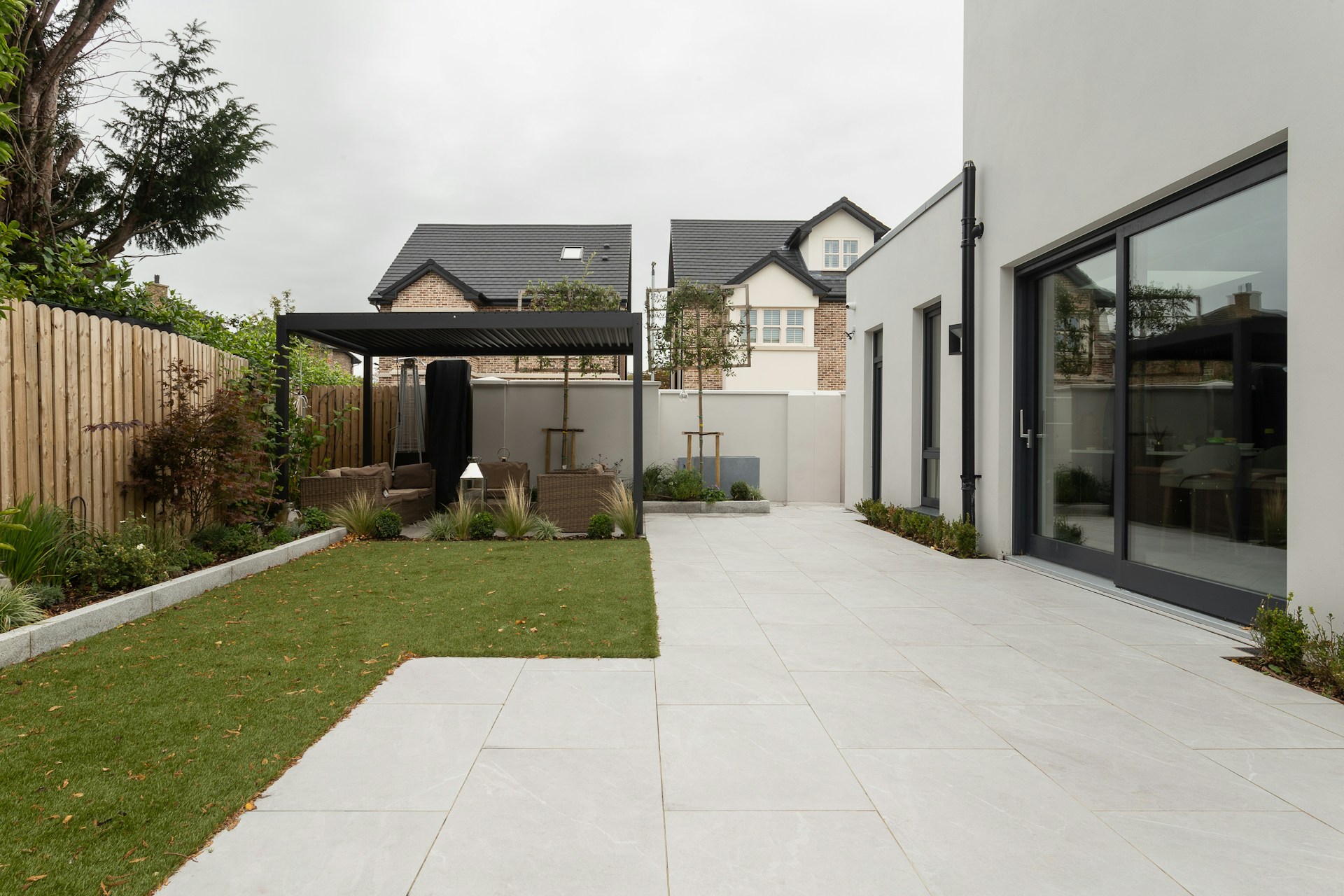
Rethinking Gravel Garden Design in Windy La Yards
Gravel garden design sounds perfect for Los Angeles. It saves water, cuts out weekly mowing, and gives your yard a clean, modern look. A gravel garden is simply a planting area where tough plants grow through a layer of gravel instead of thick soil or turf. Done right, it can handle heat, drought, and busy schedules.
But many LA yards are windy. Hillside streets, canyon lots, and spots that get strong coastal breezes can turn a simple gravel yard into a scattered mess. Gravel shifts, weed fabric pops up, and plants dry out faster than expected. So the real question is this: can gravel garden design work in windy LA yards, and how do you keep it from becoming a constant clean‑up project?
How LA Wind and Microclimates Affect Gravel Gardens
Los Angeles does not have just one kind of wind. We see different patterns across the city, and they all hit gravel gardens in their own way.
Common wind patterns include:
- Santa Ana winds that roar through in late summer and fall, hot and dry
- Canyon winds that funnel between homes and up narrow streets
- Hillside and foothill gusts that race down slopes
- Regular coastal breezes that may be light most days but add up over time
When wind hits a gravel garden, a few things often happen:
- Loose gravel gets pushed into walkways, onto driveways, and against house walls
- Thin spots appear, exposing weed fabric or bare soil
- Dust rises from decomposed granite and fine gravel, coating furniture and doors
- Plant roots dry out, since wind pulls moisture out of the soil and leaves
On top of that, LA microclimates make design even trickier. A valley yard can be blazing hot and still, while a spot closer to the foothills might be cooler but far windier. A one-size gravel layout that works in a flat, protected backyard might fail on a hilltop or canyon mouth. Gravel gardens need to be tuned to each yard, not just copied from a photo.
Choosing the Right Gravel and Base for Windy Conditions
Not all gravel behaves the same in the wind. Size, shape, and the way you prepare the base matter just as much as the plant choice.
Here is a quick comparison of common materials:
- Pea gravel: small, round, can roll and shift easily in strong wind and underfoot
- Crushed rock: more angular, locks together better, less likely to blow or slide
- Decomposed granite: very fine, can compact into a firm surface but can also create dust if not set and maintained correctly
For windy yards, crushed rock in a slightly larger size often holds better than tiny, round pea gravel. A mix with angular edges helps the pieces grip each other so they are less likely to move with every gust or footstep.
Base prep is just as important as gravel choice:
- A compacted sub-base helps keep the surface stable
- Good edging keeps gravel from creeping into beds and walkways
- Proper depth gives enough weight so the wind has less to grab
Pro-grade materials from a dedicated landscape supplier are usually more consistent in size and quality than small bags from a big-box rack. Better consistency can mean better compaction, less movement, and a yard that looks cleaner for a longer time.
Wind-Smart Planting and Layout in Gravel Garden Design
Gravel alone will always be more exposed to wind. The plants and layout need to work with it, not against it.
Wind-tolerant, drought-tolerant plants are your best friends here. Many LA-friendly options fall into a few groups:
- Native grasses that sway but hold their ground
- Low, woody shrubs that form small wind blocks
- Spreading groundcovers that knit the surface together
These plants do more than just look good. Their roots help anchor the soil under the gravel, and their foliage slows the wind at ground level.
Layout can also calm the wind and keep gravel in place:
- Berms, or gentle raised mounds, can redirect gusts over the yard
- Stone borders and low walls break up long stretches where gravel might drift
- Planted bands or hedges act like soft fences that reduce wind speed
Under the gravel, many designers add small mulch pockets around plant roots. The gravel hides the mulch, but the mulch helps hold moisture, soften the soil temperature, and protect roots from drying out when the wind picks up.
Practical Fixes for Dust, Drift, and Runoff in Gravel Yards
Even with smart planning, LA wind will still test your design. The good news is there are simple ways to keep drift, dust, and water flow under control.
To limit gravel drift:
- Use sturdy metal or concrete edging along paths and driveways
- Add stepping stones or pavers where feet land most often
- Choose slightly heavier gravel in the most exposed corners of the yard
Dust and debris are another headache, especially during dry, windy weeks. A few helpful strategies include:
- Breaking up wide gravel fields with low groundcover plants to trap dust
- Using stabilizers when appropriate, especially in high-traffic, flat areas
- Planning clean access so leaf blowers or brooms can reach corners without kicking up more dust
When the rainy season arrives, wind and water work together. On slopes or near downspouts, plan for water paths before the first big storm:
- Swales lined with gravel and larger stone help guide rainwater where you want it
- Terraces and retaining features break long runs of slope so gravel does not wash out
- Heavier stone or pavers in the main flow paths protect the finer gravel around them
When Gravel Gardens Make Sense in Los Angeles
Gravel garden design is not all or nothing. There are situations where it works beautifully in LA, and others where it needs backup from other materials.
Gravel tends to shine in:
- Flatter areas that do not get direct, funneled wind
- Courtyards and enclosed side yards with walls or fences
- Spaces where wind can be slowed with plants and low hardscape
It can be trickier in:
- Steep slopes, especially those facing wind
- Open hilltops with no buildings or trees to soften gusts
- Canyon mouths that see strong Santa Ana conditions
In more exposed areas, many homeowners and contractors get better results by mixing materials. Pavers, stone, turf, and gravel can work together, with gravel in the calmer pockets instead of across the entire yard. The result is still low water and low mowing, just with a design that stands up better to LA wind.
Planning a Wind-Ready Gravel Garden with Pro Materials
Before loading up on gravel, it helps to study the yard with fresh eyes. Stand outside on a breezy day and notice:
- Where the wind usually comes from
- How the slope changes from one end of the yard to the other
- Which spots get full sun all day and which stay shaded
- Where current hardscape, fences, and walls already slow the wind
That quick walk-through will guide choices about gravel types, edging, stone accents, and planting zones. Late summer is a smart time to plan and line up materials, since many people aim to build or renovate in the fall when the sun feels a bit softer and the calendar is shifting back to school and regular routines. Getting your base, gravel, pavers, and plants ready ahead of those seasonal Santa Ana winds gives your new gravel garden a stronger start.
At Mr. Pavers in the Los Angeles area, we focus on supplying pro-grade gravel, stone, mulch, turf, and related hardscape materials so contractors and homeowners can create gravel garden designs that look good and stand up to local wind. Thoughtful planning, the right materials, and a layout tuned to your exact yard can turn a windy LA space into a clean, calm, and low-water outdoor area that actually stays put.
Get Started With Your Project Today
Transform your outdoor space with a custom gravel garden design that fits your home, lifestyle, and budget. At Mr. Pavers, we take the time to understand your vision so we can recommend layouts, materials, and finishes that truly work for your property. If you are ready to move from ideas to a clear plan, reach out and let us walk you through the next steps. You can contact us today to schedule a consultation and start planning your new garden.