Planning Pebble Garden Paths for Shared Family Backyards
Turn Shared Backyards Into Inviting Pathway Retreats
Pebble garden paths can turn a busy shared backyard into a calm, easy place to move and relax. When the yard is shared by kids, adults, and pets, paths help everyone know where to walk, where to play, and where to sit. That means less worn-out grass, fewer muddy patches, and fewer arguments about who stepped on whose plants.
With our long, sunny seasons in the Los Angeles area, families spend a lot of time outside. Pebble garden paths work well here because they use little water, stay cooler than big slabs of concrete, and bring a soft, natural look to the yard. Good planning helps those paths stay safe, sturdy, and simple to care for, even when lots of feet use them every day.
Thoughtful layout, smart material choices, and a few comfort touches can turn a basic shared space into an inviting retreat. When you plan the path first, then match it with the right gravel, edging, and base materials, the yard starts to feel organized, relaxed, and ready for year-round use.
Start with How Your Family Actually Uses the Yard
Before picking colors or stone types, it helps to look at how the space is really used. In a shared yard, different people usually want different things. Some want a quiet chair under a tree, some want open room to kick a ball, and others just want a clean route from door to gate.
Walk the yard and ask a few simple questions:
- How many households share this space?
- Where do people already walk every day?
- Which areas need protection, like veggie beds, flower gardens, or a BBQ zone?
- Where do kids and pets like to run or dig?
Those existing walk lines are often called desire lines. Instead of fighting them, use them. You can turn those lines into planned pebble garden paths that guide people where you want them to go. Over time, this keeps feet off fragile plants and reduces bare dirt patches.
For shared family yards, think about:
- Gentle curves that work for strollers and wagons
- A firm surface or clear stepping stones for older relatives
- Paths that steer kids and pets away from grills or fire pits
- Space near doors and gates so people do not bump into each other
It also helps to plan small rest spots along the way. Add short widenings in the path for:
- A simple bench or chair
- A raised planter for herbs or flowers
- A small artificial turf patch for kids to sit and play
These pause points ease crowding when several people are outside at the same time and give everyone natural places to gather.
Choosing Pebbles, Gravel, and Base Materials That Last
Under every comfortable pebble garden path there is a simple structure that keeps it from shifting or turning into a mess. A basic section usually looks like this, from bottom to top:
- Compacted base rock for strength and drainage
- A thin bedding layer to smooth the surface
- Decorative pebbles or gravel on top
The base rock is what keeps the path from sinking or turning into ruts. The bedding layer helps the top stones sit evenly. The top layer is what you see and feel underfoot.
Common surface choices include:
- Decomposed granite, which packs into a firm, smooth surface that is easy to walk and roll over
- Pea gravel, small rounded stones that feel soft, but can roll under shoes or stroller wheels
- Crushed rock, with more edges, which locks together better in high-traffic areas
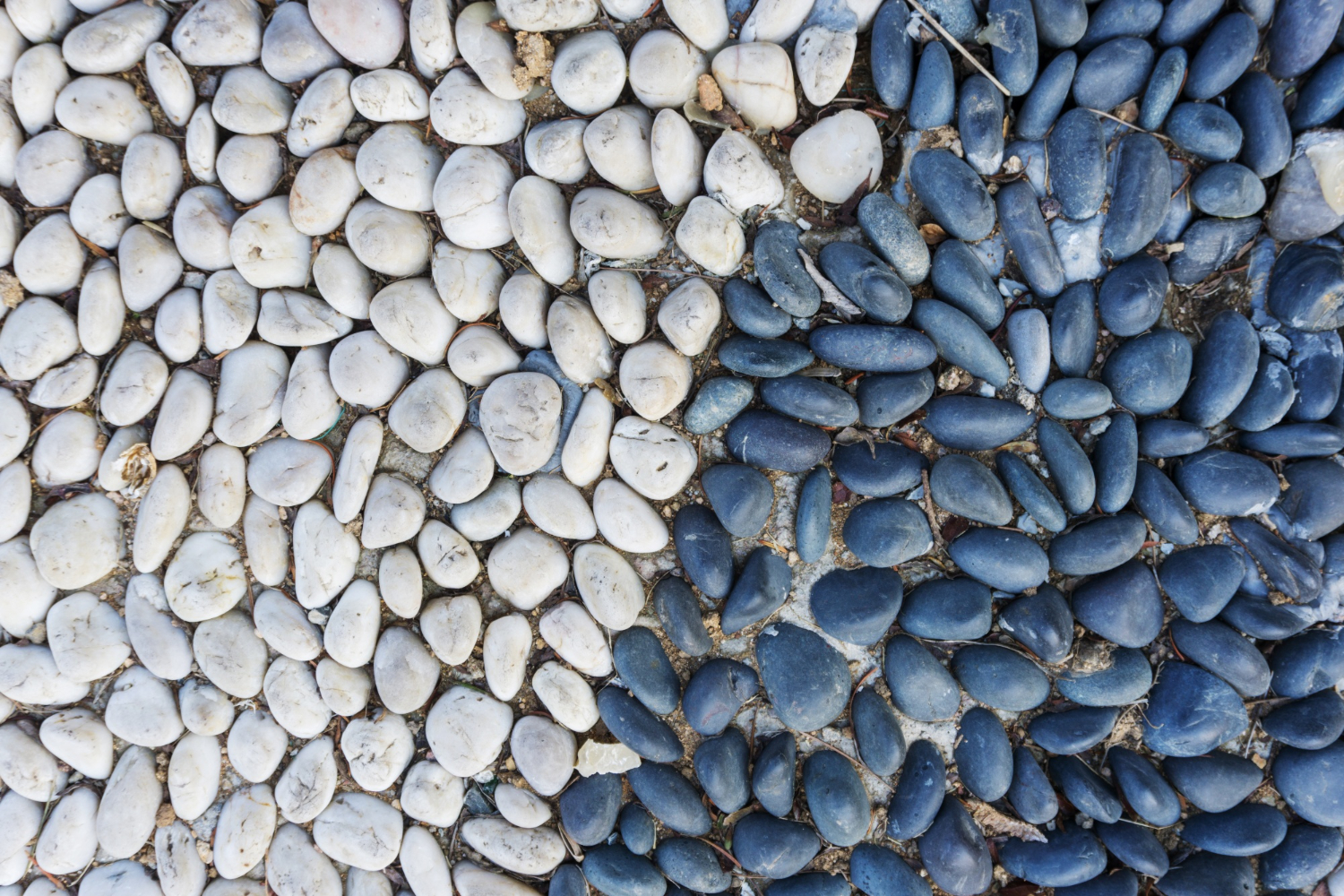
- Decorative river pebbles, larger rounded stones that look natural and relaxed
For shared family yards, comfort and safety matter a lot. Rounded stones can feel nicer on bare feet but may move around more. Crushed rock stays put better but can feel sharper. For small kids, stones that are too tiny can end up in curious mouths, so it often helps to choose a size that is a bit larger than typical pea gravel.
To keep stones from traveling where they should not go, plan for:
- Strong edging to hold the path shape
- Slightly recessed stone levels, not piled above borders
- Clear transitions to patios and turf so stones stay in their lane
Matching the exact gravel, pebble size, and base rock to how often the path is used keeps it sturdy for years, whether it is a main walkway or a light accent around a planting bed.
Designing Paths for Seasons, Shade, and Shared Comfort
Late summer is a smart time to plan pebble garden paths, especially before fall gatherings, back-to-school routine, and holiday visitors. Getting the layout and materials set now means your shared yard will feel ready when more family events move outdoors.
Sun and heat play a big part in comfort. Lighter-colored pebbles and gravel can:
- Reflect more light so paths stay cooler
- Brighten narrow or shady side yards
- Make small spaces feel open and clean
Darker tones can look great in the evening and pair well with warm outdoor lights and fire features, though they may feel warmer in direct sun. You can also mix tones, such as a light main path with darker borders, to show the way without making the whole yard bright.
Drainage matters too, even in a dry climate. When rare heavy rains come, well-graded pebble garden paths help guide water where it should go. A gentle slope keeps puddles from forming near doors, shared patios, or play zones, and reduces slippery muddy spots that end up tracked inside.
For year-round comfort and a clean look, many families blend materials:
- Pavers or stepping stones in the highest traffic spots
- Artificial turf pockets for play or pet areas
- Stone borders that clearly divide planting beds from walking routes
Layering materials this way gives you clear lines, safer footing, and a yard that looks put-together in every season.
Simple Build and Maintenance Tips for Shared Spaces
Even if you are not planning to build the path yourself, it helps to know the basic steps. Most pebble garden paths follow a pattern like this:
- Mark the route with paint or rope
- Excavate to the right depth along the path line
- Add and compact the base rock in layers
- Install edging to hold the shape of the path
- Spread and level the bedding layer, then the pebbles or gravel
- Compact again where the design calls for a firmer surface
In shared yards, small details can prevent future arguments. Aim for:
- Path widths that let two people walk side by side
- Smooth transitions at patios, doors, and gates so no one trips
- Edging that keeps stones out of neighboring garden beds and turf
Ongoing care stays simple when the base is done right and the aggregates are well graded. Helpful habits include:
- Light raking now and then to even out surface stones
- Topping off thin areas when needed
- Blowing or sweeping leaves and debris in fall
- Checking edging after big gatherings or heavy rains
Quality materials and sturdy borders mean less wandering gravel, fewer messes, and fewer neighbor complaints about loose stones in the wrong spots.
Bring Your Family Path Plan to Life This Season
To start, walk the yard with everyone who uses it. Notice where people already step, where the yard feels crowded, and where you would like more comfort or safety. Sketch simple lines showing where pebble garden paths could guide movement, and mark spots for future benches, planters, or play pockets.
Then gather inspiration. Take note of colors you like, stone textures that feel good underfoot, and layouts that seem to fit your space. Whether you plan to work with a contractor or keep things more DIY, choosing pro-grade gravel, pebbles, base rock, and complementary materials from a local supplier helps your shared family backyard feel organized, welcoming, and ready for everyday life.
Transform Your Landscape With Lasting Pebble Garden Paths
If you are ready to upgrade your outdoor space with elegant, low-maintenance walkways, we are here to help design and build custom pebble garden paths that fit your home and lifestyle. At Mr. Pavers, we listen to your ideas, evaluate your property, and recommend solutions that look great and function beautifully for years. Tell us about your project and timing, and we will walk you through clear options and pricing. To schedule a consultation or ask questions, simply contact us today.