Concrete Deck Block Platform Guide: Layout, Leveling, and Drainage
Build a Backyard Platform in a Long Weekend
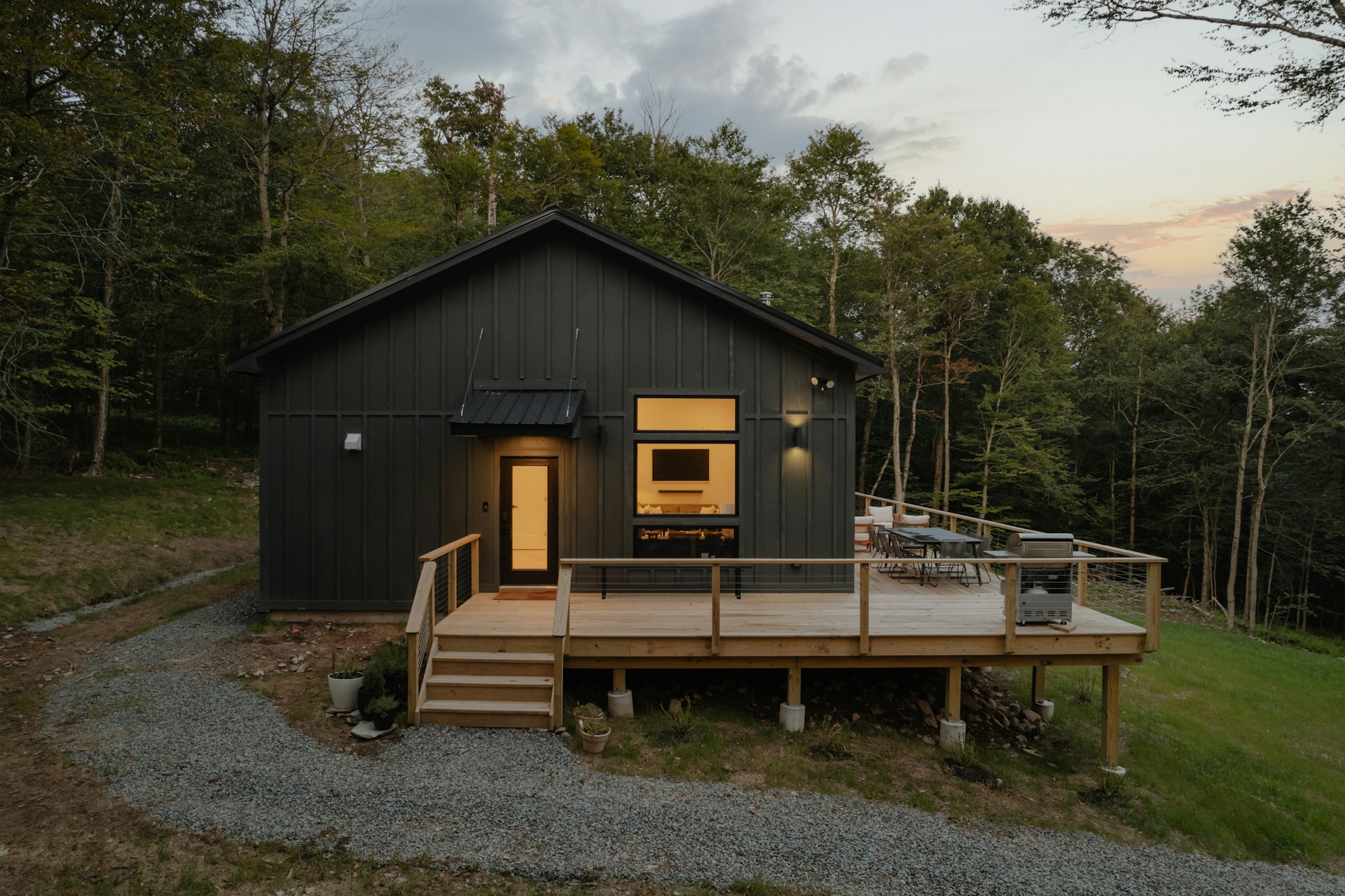
A concrete deck block platform is one of the fastest ways to add a clean, sturdy outdoor hangout without deep digging or heavy concrete work. You get a low, stable surface that feels like a deck or small stage, set on deck concrete blocks that sit on a prepared base instead of full footings. For late summer and early fall projects in Los Angeles, this style of platform fits nicely between busy weeks, school events, and weekend plans.
This guide is for DIY homeowners and contractors who want a simple, code-conscious platform for seating, grills, or above-ground spas, without complex framing or major excavation. We will walk through smart site selection, low-dig base prep, spacing and layout math, leveling methods, and drainage details so your platform goes in fast and stays solid.
Choose the Right Spot for Your Deck Block Platform
The best platform spot feels good to use every day, not just the day you build it. Before anything else, stand in your yard and think about how you move, relax, and host.
Start with comfort and function:
- Sun and shade in early fall afternoons
- Breeze direction and how it moves through your yard
- Privacy from upper-story windows and side yards
- Distance to doors, pools, or outdoor kitchens
Ask yourself a few quick questions: Do you want morning sun or evening shade? Do you want the platform close to the back door for easy food runs, or tucked away as a quiet lounge? In Los Angeles, late-day sun can still be strong, so many people like platforms where an umbrella, pergola, or shade sail can help.
Next, think about site constraints and rules. Before you mark anything:
- Check local codes for low deck or platform rules
- Stay clear of property lines and easements
- Watch for gas and electric lines, cleanouts, and vent pipes
- Leave space around the house where codes require it
Then look at the ground itself. You do not need a survey, but you do want to know what you are working with:
- Slope: Does water already run toward or away from the house?
- Soil: Is it tight clay, loose sandy soil, or a mix?
- Existing landscaping: Trees, roots, and shrubs that may move soil later
- Irrigation: Sprinkler lines, drip lines, and valves in the area
A gentle slope is fine for deck concrete blocks, as long as you plan for leveling and drainage. Steep slopes or very soft spots can call for a different type of build.
Low Dig Prep That Keeps Your Platform Stable
A strong platform starts with a flat, stable pad under your deck concrete blocks. The goal is to remove weak material and build a compact base, with as little digging as you can get away with.
Begin by stripping and smoothing:
- Remove sod, roots, and loose organic debris
- Scrape high spots and fill shallow low spots
- Aim for a shallow, uniform pad a few inches below final height
You want to remove anything that will rot or shrink. A simple flat shovel and a long straight board can help you see where soil is high or low.
Next comes the base. In the Los Angeles area, a compacted layer of road base or similar material under a thin layer of gravel works well for stability and drainage. Many people like:
- Class II road base or compactable base rock for structure
- A layer of decomposed granite (DG) or gravel on top
- Landscape fabric under the base to slow weed growth
Spread the base material in thin lifts and compact each layer. A hand tamper can work for smaller platforms. The finished pad should be firm underfoot, not spongy, with no big soft pockets.
Edge management keeps your base from spreading over time. Simple methods include:
- Marking the footprint with stakes and string before you start
- Using paver edging, bender board, or treated lumber borders
- Tying edges neatly to any nearby patio, walkway, or turf
Clean, defined edges help your deck concrete blocks stay in alignment and make the finished platform look neat from day one.
Spacing, Layout Math, and Framing Over Deck Blocks
Once the pad is ready, it is time to plan the grid for your deck concrete blocks. Think of each block as a mini support for your frame. The spacing depends on the size of your platform and the lumber you plan to use.
Common ideas:
- For 2×6 joists, closer spacing and smaller spans work best
- For 2×8 or 2×10 joists, you can span a bit farther between blocks
- Grid spacing often lines up with joist spacing, such as 16 inches on center, plus extra blocks where beams or rim boards land
Example platform sizes many people like:
- 8×10 feet: great for a dining set or lounge chairs
- 10×12 feet: good for a mix of seating and a grill
- 12×16 feet: roomy for bigger gatherings
For each size, sketch a simple grid on paper. Mark where joists run and where each deck concrete block will sit under them. It helps to keep block rows on regular intervals, so you are not guessing in the yard.
To square the layout, use one of two common methods:
- 3-4-5 rule: Measure 3 feet on one side, 4 feet on the other, and adjust until the diagonal is 5 feet
- Diagonal method: Measure the two long diagonals of your rectangle and adjust layout until both numbers match
A square grid means your joists, decking, or surface material will line up cleanly without odd angles.
For framing alignment, pick straight, dry lumber that matches your platform size and load. Keep these tips in mind:
- Run joists so they span between rows of blocks, not at odd angles
- Support rim boards and main beams on blocks, not just soil
- Avoid overspanning joists beyond what they can safely carry
- Set blocks so joists land fully on the support area
Taking time on the math and layout makes the rest of the build feel simple.
Leveling, Drainage, and Finishing Touches That Last
Leveling deck concrete blocks across your grid is where the platform starts to look real. You want the tops of all joists to line up, with a slight slope away from the house for water.
Handy leveling tools:
- Laser level for quick readings across the whole pad
- String line level for small platforms
- Water level for long distances without fancy gear
Place each block on the compacted base, then adjust with small amounts of sand or fine gravel under the block. Tap it into place, check level in both directions, and move to the next. Work in rows so you can see the pattern.
Drainage is just as important as level. To avoid water traps:
- Tip the platform slightly away from the house, just enough for water to move
- Keep deck concrete blocks and frame back from the foundation where needed
- Add gravel trenches or French drains along the uphill side if water tends to sit
- Use permeable borders, like gravel or rock, instead of solid curbs that hold water
For the surface of your platform, there are several nice options:
- Pavers on a framed base for a patio feel
- Composite decking for low maintenance
- Wood decking for a classic look
Finish details matter. Simple touches include:
- Skirting around the edge to hide blocks and frame
- Safe, solid steps down to turf or gravel
- Clean transitions into artificial turf, mulch, or decorative rock
These details make your platform feel like a planned part of your yard, not an afterthought.
Get Your Platform Started with Job Ready Materials
Once the plan is clear, the steps are very straightforward: pick a smart spot, prepare a stable low-dig base, lay out a precise deck concrete blocks grid, then level and slope it so water flows away from the house. From there, framing and surfacing become a smooth, steady process instead of trial and error.
At Mr. Pavers in Gardena, we focus on supplying job-ready materials that make this kind of build go faster and smoother for both DIYers and contractors in the Los Angeles area. With deck concrete blocks, pavers, road base, gravel, decorative rock, mulch, and artificial turf in one place, it is easier to keep materials consistent and your fall platform project on schedule.
Get Started With Your Project Today
Bring your outdoor vision to life with high-quality deck concrete blocks that make building faster, easier, and more reliable. At Mr. Pavers, we help you choose the right materials so your deck or patio is built to last. If you have questions or need personalized guidance, contact us and we will walk you through the next steps.