Deck Concrete Block Ideas for Fast Backyard Seating Zones
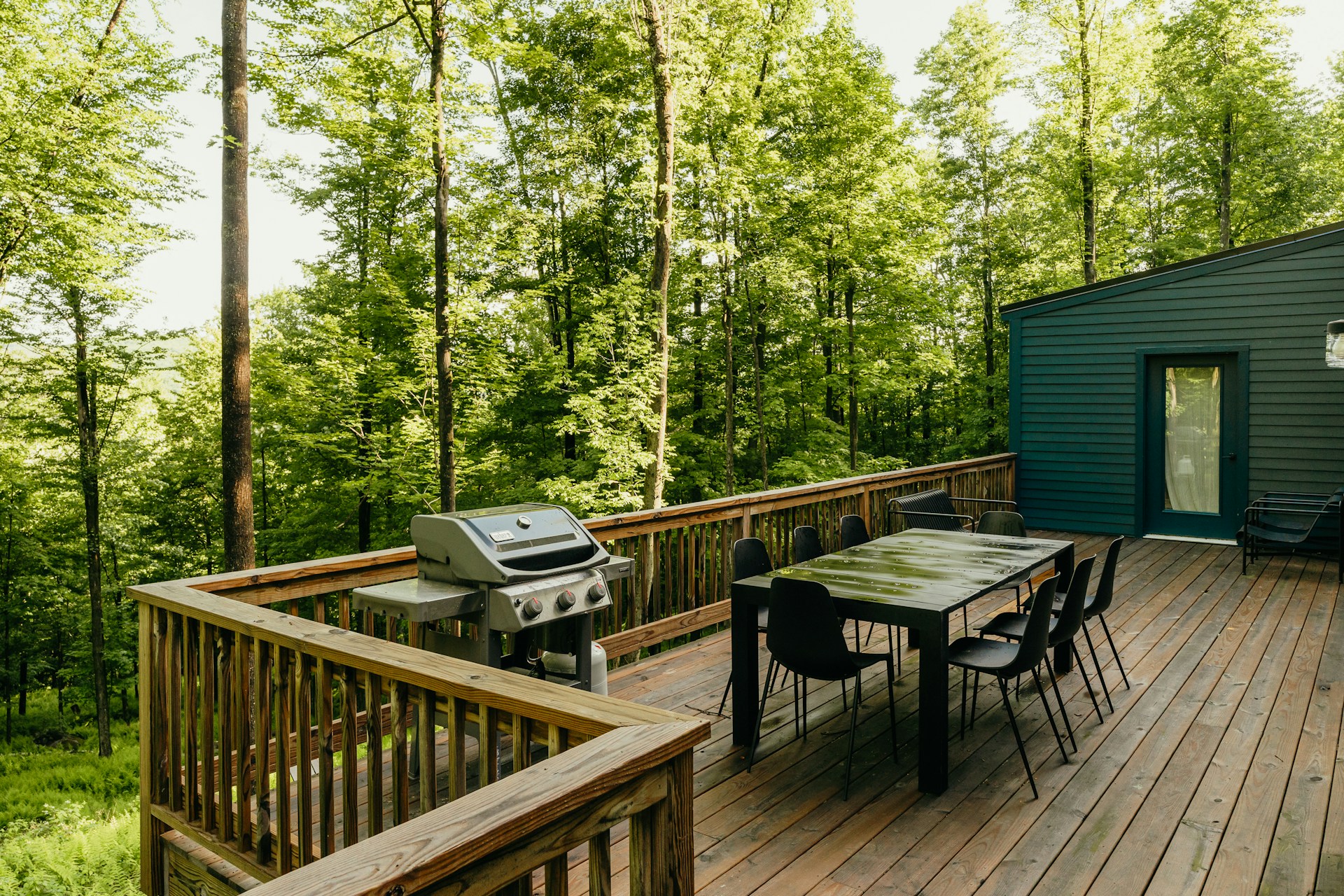
Create Instant Gathering Spots with Concrete Deck Blocks
Concrete deck block projects are one of the fastest ways to get a real seating area in your backyard without a huge build. If you want a spot for friends, football on the TV inside, and easy snacks outside, a simple raised pad can make a big difference. You do not need a full concrete pour or a giant hole in your yard to get started.
Concrete deck blocks are precast concrete pieces that hold wood framing or posts in place. They rest on a compacted base, so there is usually less digging, fewer tools, and a shorter build time. With the right layout and surface, those blocks can turn an unused patch of dirt into a solid deck-style zone for chairs, a table, and even a small grill.
We will walk through why these projects work especially well in early fall, how to plan a smart layout, simple design ideas, and easy upgrades that help your deck look built-in. We will also talk about the materials that help your new space stay sturdy and comfortable for a long time in Los Angeles yards.
Why Concrete Deck Block Projects Are Fall-Friendly
Early fall in Los Angeles is a sweet spot for outdoor projects. Days are still bright, evenings feel calmer after summer, and many people are back on a regular routine. That makes it easier to plan a weekend build and actually finish it.
Concrete deck blocks fit that season perfectly because they speed things up. You skip the long cure times that come with a full concrete slab and focus on setting a stable base and framing instead. This helps you go from idea to a usable deck pad in a shorter time.
Some reasons concrete deck block projects work well in fall:
- Less digging than deep footings
- No waiting around for poured concrete to cure
- Easy to shift blocks if you want to tweak the layout
- Simple to size for tight or awkward spaces
Many Los Angeles homes have narrow side yards, small backyards, or odd corners that do not fit a classic big deck. Concrete deck blocks make it easier to:
- Float a small platform in a corner of the yard
- Add a straight pad along a fence or wall
- Work around trees or existing patios
By building smart, you can turn those forgotten spots into real seating zones where people actually want to hang out.
Planning Your Concrete Deck Block Seating Zone
A little planning goes a long way with a concrete deck block project. Before anyone brings over snacks or lawn chairs, take time to think about where the deck should go and how you want to use it.
First, pick your site:
- A flat or gently sloped area that feels comfortable to stand on
- A place where water naturally drains away from your house
- Clear space above for shade sails, string lights, or umbrellas
Try to line up your new zone with a back door, a path, or an existing patio so it feels connected to the rest of your outdoor space.
Next, think about size and function:
- Coffee nook: Fits two chairs and a small table
- Dining deck: Room for four to six chairs and a dining table
- Lounge platform: Space for cushioned seating and a fire pit or portable heater
The type of use will guide how big the deck needs to be and what surface material makes the most sense.
For materials, you will usually want:
- Concrete deck blocks
- Framing lumber or other structural supports
- Pavers or deck boards for the surface
- Base gravel and landscape fabric
- Basic tools, level, and safety gear
These basics help you build a stable, long-lasting pad that does not shift or feel spongy when people walk on it.
Simple Concrete Deck Block Seating Ideas You Can Build Fast
Once you have a plan, it is time to choose a style. Concrete deck blocks can support different types of platforms, from very low and simple to more defined, room-like spaces.
Low platform coffee deck
This is a small, low-to-the-ground deck that works well in tight LA backyards:
- Blocks laid on a compacted gravel base
- Simple framing that sits close to the ground
- Surface of deck boards or pavers
It is just big enough for a bistro table and two chairs or a pair of lounge chairs. This setup is great for morning coffee, quick meals, or reading time.
Modular conversation corner
For a more social layout, try an L-shaped or U-shaped pad. You can frame a platform on concrete deck blocks and then surface it with pavers or composite boards. Arrange outdoor sofas or sectional seating around a low table, portable fire bowl, or drink station in the middle.
Dining-ready deck pad
If your main goal is game-day or weekend meals outside, go with a simple rectangle sized for a table and chairs. A concrete deck block frame with durable boards or large pavers on top can handle:
- Dining table and chairs
- Small grill station on one edge
- Extra space for a cooler or bar cart
Because the base uses blocks, you can expand later if you want more room.
Design Upgrades That Make Blocks Look Built-in
Concrete deck block projects do not have to look temporary. With a few design touches, your new deck can feel like a natural extension of your home.
Start with the edges. You can:
- Add a paver border to frame the platform
- Use fascia boards to hide exposed framing
- Use stone veneer on visible sides for a more solid look
Next, pick a surface style that fits your home. Pavers give a more patio-like look, while composite or wood boards feel like a deck. Around the platform, you can finish the ground with:
- Gravel paths for drainage and contrast
- Mulch beds for plants and soft edges
- Artificial turf for a green, low-care floor around the seating
For comfort and ambiance, think about:
- Built-in benches along one or two sides
- Planter boxes at the corners
- Low-voltage or solar lighting at steps and edges
- Outdoor rugs to define zones and add color
These small upgrades make the space feel finished and ready for daily use, not just weekend parties.
Build It Right the First Time Using Local Materials
Even with a faster system like concrete deck blocks, the prep work matters. A stable base helps your deck feel solid for the long run.
Good prep usually includes:
- Removing loose topsoil or roots where each block will sit
- Laying landscape fabric to help block weed growth
- Adding and compacting a layer of gravel so the blocks sit on a firm, level surface
- Checking level as you go so the finished surface feels flat and comfortable
Los Angeles weather brings plenty of sun and some rain, so think about how your deck will handle both. Choose:
- Surface materials that hold up to constant sun exposure
- Pavers and gravel that let water drain away from the house
- Turf and mulch that work in our climate and stay comfortable underfoot
Concrete deck block seating zones also make it easy to adjust as your needs change. You can add more blocks and framing to grow the deck, build planters at the edge, or even support future add-ons on the same base.
With the right mix of concrete deck blocks, pavers, gravel, mulch, and turf, a simple idea on paper can quickly become a real outdoor hangout that fits your Los Angeles home and lifestyle.
Get Started With Your Project Today
Transform your outdoor space with durable materials that are easy to work with and built to last. Explore our concrete deck block options to find the right fit for your next patio, deck, or landscaping project. If you have questions or need personalized guidance, contact us so we can help you choose the best solution. At Mr. Pavers, we are ready to support you from planning through completion.