Smart Pebble Garden Paths for Shared Side Yards in Los Angeles
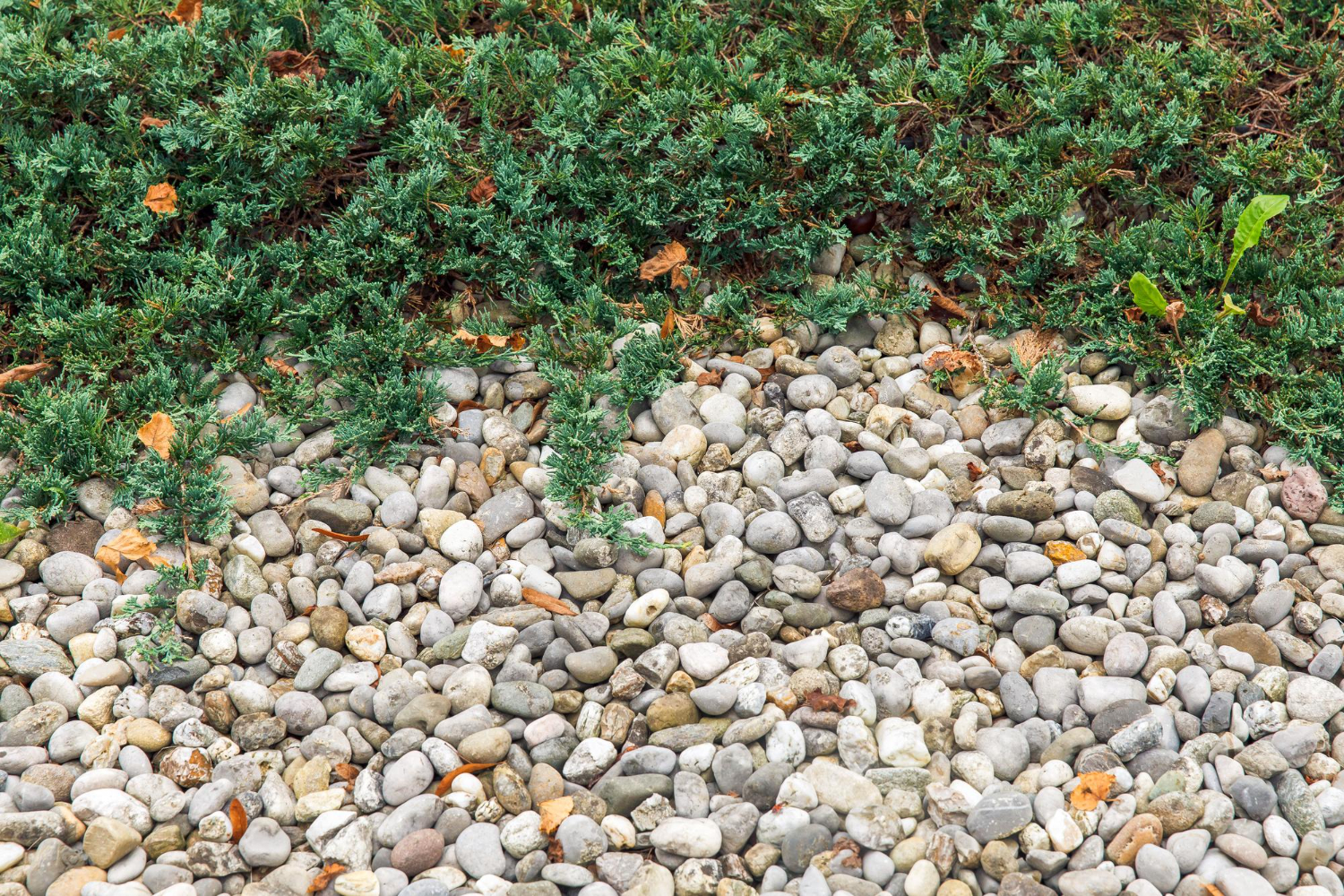
Pebble garden paths can turn that dusty strip between houses into a calm, shared walkway that actually feels good to use. In many Los Angeles neighborhoods, side yards are long, narrow, and usually ignored. With the right materials and a simple design, that space can become a small retreat that works for both neighbors, not just a spot for trash cans.
We want to share how pebble garden paths fit our local climate, help with drainage, and make shared spaces feel more welcoming. We will walk through why pebbles work so well here, ways to design a path both neighbors will enjoy, and simple material choices that make the whole area look clean, cool, and finished as we head into fall gatherings and holiday visits.
Pebble Garden Paths That Turn Shared Side Yards Into Retreats
In Los Angeles, a shared side yard often means a narrow strip between two fences or two stucco walls. It might be bare dirt, cracked concrete, or a line of uneven stepping stones that nobody really likes. It gets hot, dusty, and sometimes muddy when the fall storms roll through.
A pebble garden path changes that story. With a smart layout and the right materials, those pebbles create a cooling, low-maintenance walkway both households can use every day. Water passes through the surface instead of pooling. The ground feels more comfortable underfoot in late-summer heat, and the whole area instantly looks more cared for.
For our local area, pebble paths bring a few special perks:
- Drought-friendly landscaping that uses little to no regular irrigation
- Better drainage during those short but strong fall showers
- Cooler walking surfaces compared to solid concrete
- A quick way to boost curb appeal before the holiday season and end-of-year guests
As a local supplier, we see how quickly a shared side yard can be upgraded when the right materials are ready to go. Pebbles, gravel, stone, mulch, and turf can all come together into a side yard path that feels finished instead of forgotten.
Why Pebble Garden Paths Work so Well in Los Angeles
Our area is all about saving water and still keeping outdoor spaces looking good. Pebble garden paths fit naturally with that goal. They work very well with:
- Native and Mediterranean-style plants
- Low-water drip systems
- Front and side yards that are moving away from thirsty lawns
Since pebbles do not need watering, they help cut water use where old grass or overgrown plants used to sit. Around them, you can add pockets of drought-friendly shrubs or groundcovers that stay green with minimal care.
Pebbles also handle our soil and rain patterns nicely. Many Los Angeles homes sit on compacted clay that does not drain well. A pebble path, set over a gravel base, helps water soak into the ground more slowly. That can reduce puddles near foundations and fences, and it keeps walkways more usable after rain.
Visually, pebble garden paths are very flexible. Different colors and sizes can match almost any style:
- Warm tan and gold pebbles near classic stucco homes
- Gray or charcoal blends for modern black-and-white exteriors
- Soft mixed tones to break up long fence lines in narrow side yards
This softer surface also helps calm down the hard look of concrete and block walls that run close together.
Designing Shared Side Yard Paths Both Neighbors Will Love
A shared side yard works best when both neighbors feel it belongs to them. Before anyone starts digging, it helps to have a short chat and a simple plan. Decide together on:
- Path width that feels comfortable for trash bins and walking
- Overall style, like clean and modern or relaxed and natural
- Any plantings or features that might sit on one side or the other
For very tight spaces, a straight path often works best. It keeps movement clear and easy, especially on trash day. In longer corridors, a gentle curve can make the space feel less like a tunnel and more like a small garden walkway.
You can also mix materials for both looks and function. For example, alternating bands of pebbles and pavers can create a rhythm down the side yard and give steady footing where people often step, like near gates or storage areas.
Privacy and boundaries still matter. A few simple ideas help keep peace:
- Subtle edging or contrasting stone to show where each side begins
- Low plantings or narrow trellises to screen windows without crowding the path
- Careful placement of the path line so it stays away from property lines and utility access
Choosing the Right Pebbles, Edging, and Materials
Not all pebbles feel the same underfoot. In a shared side yard that people use often, smaller, rounded pebbles tend to feel smoother and more stable for walking. Larger decorative stones can look great along the edges or in pockets near plants, but they are less comfortable as the main surface.
Think about mixing texture and size:
- Small pebbles for the walking zone
- Medium decorative stones as borders
- Occasional larger rocks near fences for visual interest
Edging is especially important in narrow paths. Without a clear edge, pebbles can creep into planting beds, driveways, or under gates. Metal, stone, or concrete borders help keep everything in place and give the space a clean, finished look that feels more professional.
To round out the design, it often helps to pair pebbles with other hardscape materials. Stepping stones or pavers set into pebbles create firm spots where people always step. A gravel base layer under the pebbles supports drainage. Mulch or artificial turf along the side can soften the look and finish the makeover.
Simple Steps to Build a Job-Ready Pebble Path
Even though a pebble path looks simple, the layers below really matter. A typical project usually follows steps like these:
- Plan the path line and agree on it with your neighbor
- Measure the shared space so you know how much material is needed
- Remove old plants, sod, or debris from the area
- Level the ground and compact the soil to build a stable base
- Install solid edging on both sides
- Add a gravel base layer and compact it
- Spread and rake the pebbles to an even depth
Local conditions shape the details. Digging and compacting often feel more comfortable in cooler morning hours, especially toward the end of summer when the sun is strong. If there are overhanging trees, it helps to think about where leaves will fall and how easy it will be to rake or blow them off the pebbles.
Many people also choose a weed barrier fabric under the gravel base to cut down on future weeding. Safety gear like gloves, dust masks, and eye protection makes the work easier and safer, especially when moving heavy materials or using tools.
Smart Upgrades to Make Shared Paths Safer and Cozier
Once the basic path is in place, a few small upgrades can make the shared side yard feel even better. Lighting is a simple one. Low-voltage or solar path lights help everyone see clearly when the sun sets earlier in fall, and they make side gates more welcoming for guests.
In areas that tend to get wet, like near hose bibs, anti-slip stepping pavers can add extra grip. Rounded or hand-friendly borders near tight corners make it more comfortable to roll trash bins or carry decorations along the path.
For planting, look for things that stay tidy and do not sprawl into the walkway:
- Drought-tolerant groundcovers that hug the soil
- Narrow shrubs that grow up instead of out
- Potted plants tucked against fences where they will not block traffic
As the year moves toward holiday events, a clean, well-lit pebble garden path makes side access smoother for everyone. It becomes easier to move trash and recycling, bring in supplies for gatherings, and welcome guests using side gates, all without stepping through dirt or uneven concrete.
Transform Your Outdoor Space With Lasting Pebble Garden Paths
Ready to bring texture, charm, and easy maintenance to your yard with expertly crafted pebble garden paths? At Mr. Pavers, we work closely with you to design and install paths that fit your style, complement your landscape, and stand up to everyday use. Tell us about your project, and we will provide clear options, timing, and next steps. To get started, simply contact us and schedule a no-obligation consultation.