Questioning Concrete Block Garden Borders in Los Angeles Heat
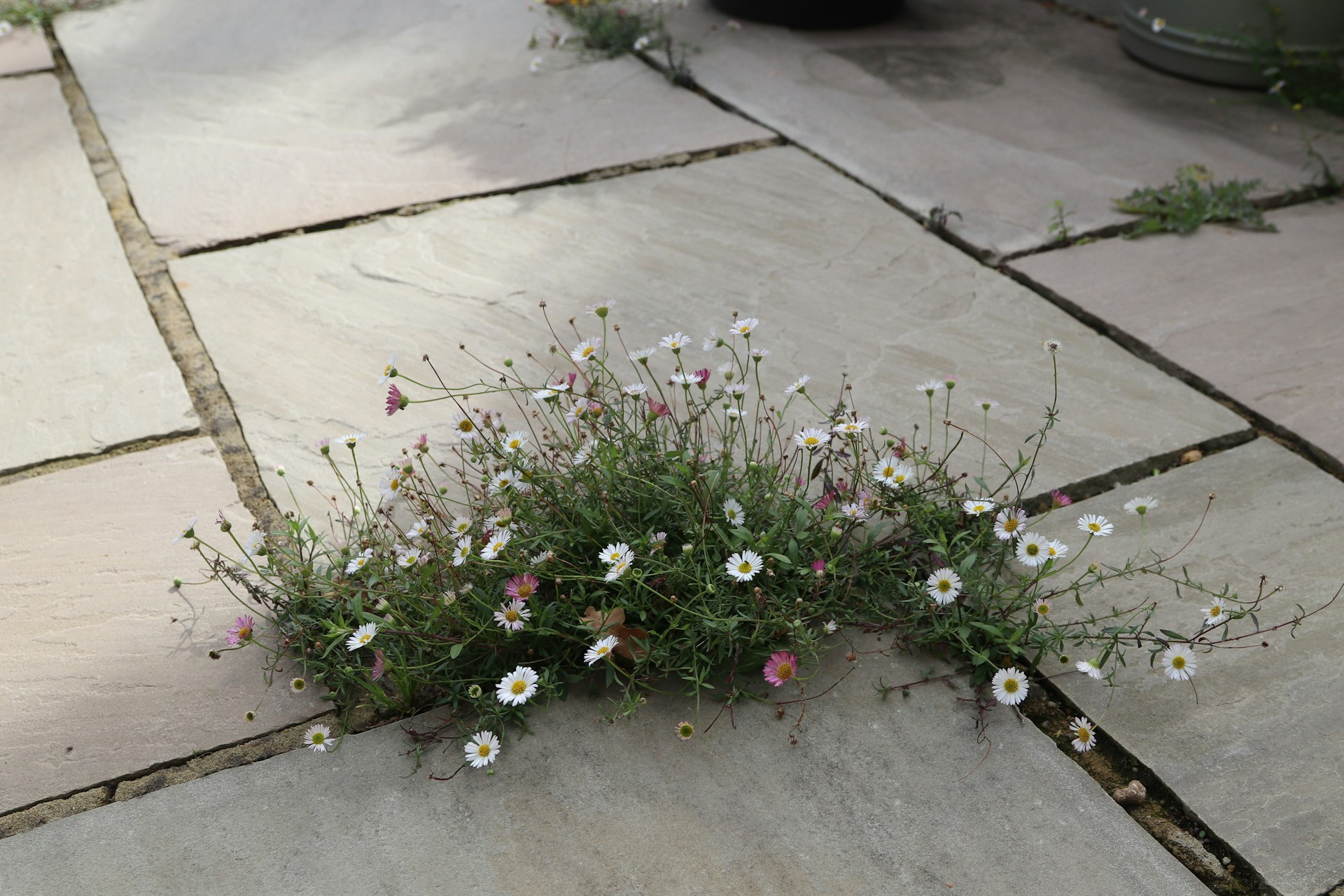
When Concrete Garden Blocks Meet LA’s Summer Heat
Concrete garden blocks look simple and strong, so they seem like an easy choice for garden borders. They are lined up in almost every home center, and it feels natural to grab a few stacks and frame your beds. But in Los Angeles, where late summer heat hangs on well into fall, those blocks can create problems you do not see right away.
Plants are already stressed from long, bright days and hot afternoons. When we surround them with solid concrete, we can make their roots, soil, and even nearby seating areas hotter than they need to be. Here, we want to walk through how concrete behaves in high heat, when it works fine, when it fights your garden, and what other border options can keep your yard cooler and more comfortable for fall refresh projects.
How LA Heat Impacts Concrete Garden Borders
Concrete acts like a heat sponge. During a long, sunny day in LA, garden blocks soak up warmth from direct sun and hold on to it. After sunset, they slowly release that stored heat back into the air and into the soil at the edges of your beds.
That creates a little hot zone right where your plants need the most balance. You may notice:
- Soil around the border drying out faster than the center of the bed
- Mulch near the blocks breaking down or fading sooner
- Roots near the edges struggling while plants look fine in the middle
Surface temperature can also be a problem. Concrete garden blocks can get too hot to rest a hand on, which means they are not pleasant to sit on, lean against, or stand near while you are working. Around patios and paths, those hot surfaces reflect heat up into your face and legs, making outdoor time feel harsher than it has to.
Local LA conditions only add to this. Intense sun, low humidity, and those dry Santa Ana winds can:
- Pull moisture from soil right along the concrete border
- Increase how often you feel like you need to water
- Leave tender plants at the edges of raised beds wilting sooner
So while concrete looks solid and reliable, it often makes the microclimate around your garden beds hotter and drier than your plants prefer.
The Pros and Cons of Concrete Garden Blocks in LA
Concrete garden blocks are not all bad. They have some clear upsides that explain why people keep using them.
Common benefits include:
- Easy to find at home centers and hardware stores
- Simple shapes that stack in straight lines or curves
- Reasonably durable when set on a solid base
- A clean, organized look that makes beds feel defined
For quick weekend projects, that can be very appealing. You can outline a vegetable bed or a front entry border in a single day with basic tools.
But in Southern California yards, the downsides often show up after a season or two. Concrete blocks can look harsh next to drought-stressed lawns or low-water plants. The strong, gray color can feel out of place with the softer tones of gravel, native plants, and mulch that many LA homeowners prefer.
Hidden drawbacks include:
- Cracks or shifting when the base was not prepared well
- A heavy, rigid look that clashes with natural, water-wise designs
- Extra reflected light and heat around sun-exposed patios and walkways
For plants, the issues are even more direct. Raised beds made of concrete garden blocks can create:
- Hotter root zones along the walls, especially on the sun-facing side
- Faster evaporation right where roots try to spread to the edges
- Stress for heat-sensitive herbs, greens, and flowers that prefer cooler soil
So while concrete may seem like the simple choice, it is not always the friendliest neighbor for your plants or for people enjoying the yard.
Smarter Border Choices for Hot Weather Gardens
The good news is that you have many options that handle LA heat better than solid concrete blocks. Some hardscape materials stay cooler, blend into low-water designs, and give your plants a more gentle environment.
Cooler and more flexible choices include:
- Natural stone, which often has a more broken surface that does not hold quite as much heat in one solid mass
- Gravel bands along the edges of beds that let air move and water drain
- Decomposed granite used as a soft path or border that feels comfortable underfoot
Natural-looking edging materials can define your garden without trapping heat. Things like:
- Stone garden borders with varied shapes and colors
- Mixed gravel strips between beds and paths
- Decorative rocks placed as low edging instead of tall, solid blocks
These options help with airflow and drainage. They also support more comfortable microclimates because they are not acting like one big slab of stored heat.
You can also combine materials for the best of both worlds. For example:
- Use a narrow line of concrete pavers only where you need crisp structure
- Add a strip of gravel or small river rock between the pavers and the planting bed
- Finish with mulch inside the bed to protect roots from temperature swings
This mix breaks up large hot surfaces, softens the look, and matches the relaxed outdoor living style many LA yards aim for.
Replacing Concrete Garden Blocks Without a Full Rebuild
You do not have to tear out your entire yard to improve hot borders. Small changes in key spots can make a big difference in comfort and plant health.
Good places to start are:
- Entry beds that you see and feel every day
- Borders around patios and sitting areas
- The sunny sides of raised beds where plants struggle most
A simple retrofit might look like this:
- Remove the concrete garden blocks and keep the footprint as your guide
- Lay a stable base for new stone or paver edging in the same line
- Add a gravel buffer between your new edge and the planting zone
- Top the bed with a fresh layer of mulch to shield roots from heat
Fall is a great window for these projects. The days are still long enough for outdoor work, but the sun angle begins to shift, and many plants appreciate new borders before seasonal rains arrive. It is also a natural time to refresh tired edges, reframe vegetable beds, and highlight drought-tolerant plantings with borders that make sense for a hot-weather garden.
Planning Your LA-Friendly Border with Mr. Pavers
Before you pick up new materials, it helps to be clear on what you want your borders to do. Ask yourself:
- Do I need very strict structure, or would a softer edge work better?
- Is my main goal a cooler, more comfortable yard, or a specific design style?
- How much maintenance do I realistically want to do around these borders?
- How long do I expect this border to last before I change the design again?
Once you know your goals, it is easier to choose between pavers, stone, gravel, mulch, or a mix. In the Los Angeles area, we see a lot of success with combinations that break up heat, protect plant roots, and still give clean lines around beds and paths.
At Mr. Pavers, we work with both DIY homeowners and trade pros who want job-ready materials that make sense for our climate. With access to pavers, gravel, stone, mulch, and turf, we can help match you with options that outperform plain concrete garden blocks in the long LA heat. When you are ready to rethink those borders, bring a few photos or basic measurements, and we can help you plan a cooler, more comfortable edge for your yard.
Get Started With Your Project Today
Transform your outdoor space with our high-quality concrete garden blocks tailored to fit your design and budget. At Mr. Pavers, we work with you to choose the right materials so your garden features look great and last for years. If you are ready to plan your next upgrade or have questions about options, simply contact us and our team will help you take the next step.