Evaluating Gravel Gardens Ideas for Sloped Los Angeles Yards
Transform a Tricky Slope Into a Low-Maintenance Oasis
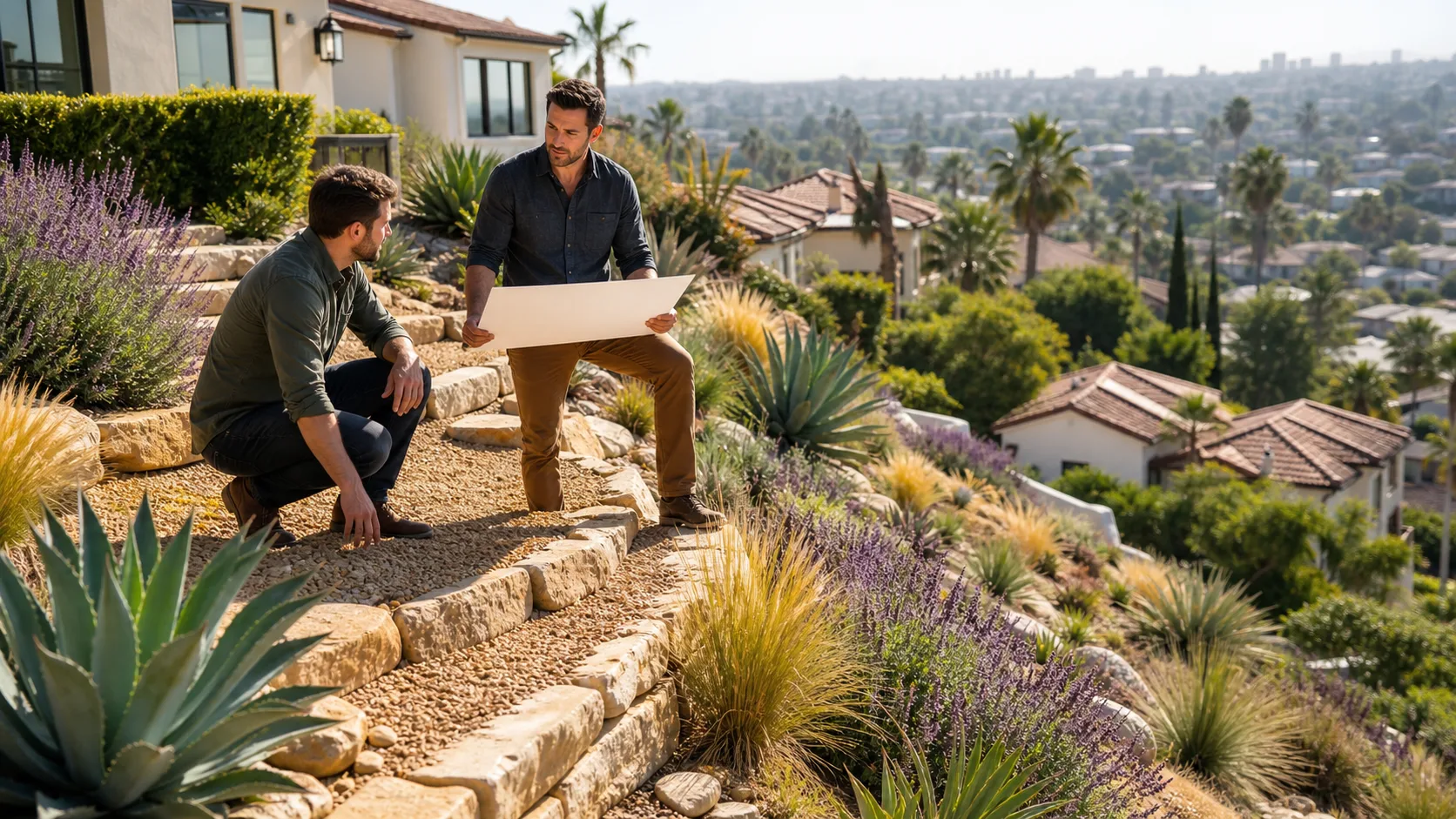
A sloped yard in Los Angeles can feel like wasted space, but it does not have to stay that way. A gravel garden turns a hard-to-mow hillside into a clean, low-water area that is easy to live with and easy to enjoy. It works especially well on slopes because gravel lets water drain, helps hold soil in place, and pairs perfectly with drought-tolerant plants.
In simple terms, a gravel garden is an area where gravel is the main ground cover instead of lawn or bare dirt. Plants grow through pockets of soil or in built-out beds, and stone, pavers, and boulders shape the space. For Los Angeles homeowners heading into fall, this style can mean less watering, no mowing, better fire resilience, and year-round texture and color.
A sloped gravel garden still needs smart planning. The right materials, edging, and layout have to match your soil, sun, and how steep the hill really is. Local conditions and microclimates matter, especially with LA heat, afternoon sun, and seasonal rain. That is where a dependable source for gravel, stone, and hardscape supplies makes the work go smoother from the start.
Why Sloped Yards Are Perfect for Gravel Gardens
Slopes naturally move water downhill, which is actually a big plus for gravel gardens. Good drainage keeps plant roots from sitting in soggy soil, which many Mediterranean-style and drought-tolerant plants hate. Gravel on top helps even more, spreading water, protecting the soil surface, and slowing evaporation.
The real headache on LA hillsides is erosion. Bare dirt on a slope can:
- Wash out during fall and winter rains
- Send muddy runoff onto sidewalks and driveways
- Expose roots and weaken plants over time
Layered gravel, stone borders, and small terraces act like speed bumps for water. Instead of a rush of runoff, you get gentle flow that sinks into the soil. Stone or concrete paver edges keep gravel in place, and planted pockets grab water before it escapes.
Properly planned gravel paths also help manage water. When paths follow the curve of the hill instead of going straight up and down, they slow rainwater and guide it toward planting zones. A compacted base with the right gravel on top lets water pass through while staying firm underfoot, even after a rare heavy storm.
Smart Design Ideas for Sloped Gravel Gardens in LA
When we look at sloped yards around Los Angeles, we like to think of them as stacked outdoor rooms. With a bit of shaping, you can move from “awkward hillside” to a set of cozy, useful areas.
Some layout ideas for a slope include:
- Terraced planting pockets held by stone or block
- Winding gravel paths that follow the curve of the hill
- Small landing pads or seating spots at different levels
Your style can lean in different directions while still using gravel as the base:
- Modern minimalist: decomposed granite, straight paver steps, black or gray rock, bold statement plants
- Mediterranean: warm-toned gravel, herbs, olives or citrus in raised pockets, clay pots tucked into corners
- Native-inspired: mixed boulders, California native shrubs and grasses, looser, more natural shapes
Plant choice is key. On hot LA slopes, it is smart to pick plants that love sun and do not mind dry soil. Think succulents, ornamental grasses, and hardy shrubs that look good even at the end of summer when lawns often fade. Group plants by water needs so you are not overwatering some just to keep others alive.
Gravel itself can be part of your style. Mixing textures and colors, like pea gravel for paths, decomposed granite for sitting areas, and crushed rock around boulders, adds depth and clear lines between zones. Changes in gravel size or color help the eye read the slope, which makes everything look more intentional.
Choosing the Right Gravel and Materials for Your Slope
Not all gravel works the same way on a slope. Size and shape matter a lot for comfort, traction, and long-term stability.
Here is a simple comparison:
- Pea gravel: small, rounded stones that feel nice underfoot, great for level sitting areas, less ideal on steep hills because pieces can roll
- Crushed rock: sharp-edged pieces that lock together better, good for sloped paths, drive strips, and under pavers
- Decomposed granite: fine, sandy material that compacts into a firm surface, perfect for walking paths, patios, and landings when installed over a base
On a slope, you want gravel that does not slide downhill. Crushed rock and compacted decomposed granite tend to stay put better than smooth, round stones. Often, the best approach is a base of larger crushed rock topped with a thinner layer of smaller material for a clean look.
Complementary materials tie the whole hill together:
- Pavers for safe, even steps
- Stone or concrete edging to hold gravel in place
- Larger rocks and boulders to anchor corners and help slow runoff
Choosing matching or coordinated materials from one source makes it easier to keep color and texture consistent across the whole slope. It also helps when you need more material later for a second phase or small repair.
Practical Steps to Install a Gravel Garden on a Slope
Even if you work with a pro, it helps to understand the steps that go into a stable gravel garden on a hillside. That way you can plan your design with confidence.
A basic process often includes:
- Assess the slope, soil type, and sun exposure
- Sketch paths, terraces, and seating spots
- Set out garden hoses or string on the ground to test the layout
- Shape the slope and create planting pockets or low terraces
- Add a compacted base layer where paths and pads will go
- Install edging, steps, and any small retaining features
- Place weed barrier only where it will not block plant roots
- Layer and compact gravel in stages for a smooth finish
Safety matters on slopes. Steep areas usually need paver steps, stone risers, or short retaining walls to make them easy to walk and care for. Treads should feel wide and level so you can move up and down the hill without worrying about slipping.
For planting, fall is a helpful time to get roots started. A simple drip system or soaker hose under the gravel lets water reach plant roots deeply without waste. Once roots are strong, the gravel on top helps keep soil cool and slow evaporation, so you water less often.
Common mistakes to avoid include:
- Picking gravel that is too small and round for a steep slope
- Skipping compaction on paths and landings
- Forgetting enough edging, which lets gravel spread over time
- Choosing plants that need more water than your hill can realistically get
Seasonal Gravel Garden Ideas for Los Angeles Falls
Fall is a great season to refresh or start a gravel garden in our warm climate. Days are a bit shorter, the sun can feel slightly gentler, and seasonal rains help new plants settle in.
To make a slope look its best at this time of year, you can focus on:
- Late-blooming perennials that flower above the gravel
- Ornamental grasses that sway and catch the light
- Structural succulents that hold their shape year-round
- Woody shrubs that keep color when other plants rest
If you already have a gravel garden, a fall tune-up can bring it back to life. Simple upgrades might be:
- Adding a thin top layer of fresh gravel to even out color
- Sliding in a few accent boulders for stronger structure
- Swapping thirsty plants for more drought-tolerant choices
- Creating a small, fire-safe seating nook on a paver pad
As evenings get darker earlier, small touches extend how long you can enjoy the slope. Warm-toned gravel reflects light from nearby windows and low-voltage or solar path lights. A stable paver pad can support a portable fire bowl where allowed, turning the hillside into a cozy place to unwind after a long day.
Bring Your Sloped Gravel Garden Vision to Life
A sloped gravel garden in Los Angeles can move from idea to reality step by step. Start by sketching your hill, even in rough form, and marking where you might want paths, landings, and planted pockets. Think about how you want to use the space: a quiet retreat, a low-water showcase, or a simple, clean background for the rest of your yard.
From there, it helps to look at real materials in natural light. Gravel samples, stone textures, and paver colors can guide your choices so the hill feels like it truly belongs with your home. Planning one area at a time keeps the project manageable, and careful material choices set you up for a slope that stays safer, looks better, and needs less daily care year after year.
Get Started With Your Project Today
If you are ready to turn your outdoor space into a low-maintenance, eye-catching retreat, we can help you bring your favorite gravel garden ideas to life. At Mr. Pavers, we will walk you through materials, layout, and details so your new garden fits both your style and your property. Reach out today through our contact page and let’s start planning your project.