Choosing Gravel Garden Pathways for Dry Climate Yards

Gravel Paths That Beat the Heat in Dry Climate Yards
Dry yards can be tough to enjoy. Grass gives up in the hot sun, soil turns dusty, and old concrete paths crack and glare in the light. Gravel garden pathways offer a cooler, softer, and more natural way to move through your space, without fighting against the climate every day.
In a dry yard, gravel works with your environment instead of against it. It lets water soak into the ground, stays cooler underfoot than solid concrete, and does not crack when the temperature swings. In this guide, we will walk through how to choose the right gravel, how to design paths that stay stable, and how to pair them with plants and other features for a beautiful, low-water outdoor area that feels inviting through long, sunny seasons.
Why Gravel Garden Pathways Work in Dry Climates
Gravel paths fit naturally into water-wise yards. Instead of sending rain or irrigation water running off into the street, they let it sink into the soil. This helps keep nearby plants happier and reduces messy puddles around walkways.
Gravel pathways work especially well with drought-friendly yard plans because they:
- Allow rain and drip irrigation to soak in
- Cut down on muddy spots around hose bibs and spigots
- Pair well with dry creek beds and rock features
- Separate planting zones so water goes where it is needed
Heat performance is a big reason many people switch to gravel. Concrete and asphalt can feel harsh, bright, and hot under the sun. Gravel reflects light in a softer way, does not form big heat slabs, and cools down fairly quickly once the sun drops. That makes evening walks to the garden, trash area, or seating space more comfortable.
Maintenance is usually easier too, especially in dry climates. With the right base and fabric under the gravel, weeds have a much harder time breaking through. Gravel does not get brittle from sunlight, and if wind or foot traffic shifts it, you can rake it back into place or add a small top-off layer.
Another plus is flexibility. If you change your yard layout later, gravel paths are easier to adjust than poured concrete. You can widen, shorten, or reroute a gravel walk without heavy demolition, which keeps future projects much simpler.
Choosing the Right Gravel Type for Your Path
Not all gravel feels or behaves the same under your feet. The type you choose will affect how stable the path is, how it looks, and how much upkeep it needs.
Common options for gravel garden pathways include:
- Decomposed granite (DG)
- Crushed stone fines
- Pea gravel
- Decorative gravel blends
Decomposed granite and crushed stone fines have small, angular pieces that lock together well. When installed over a proper base, they pack into a firm, smooth surface that is comfortable to walk on and less likely to rut. For main walkways that see regular traffic, these choices usually perform better than round stones.
Pea gravel has a softer, rounded shape. It can feel nice underfoot but tends to shift more. This can be fine for light-use side paths or seating pockets, but for sloped or busy routes, it may not be the best fit unless it is contained very well.
Size and color matter too:
- Smaller gravel, often around 3/8 inch, compacts more evenly
- Lighter colors stay cooler in full sun and brighten shady corners
- Darker tones add contrast near pale rock, stucco, or desert plants
- Mixed colors can help blend paths into mixed planting areas
If you are unsure what suits your yard, it helps to see the materials in person. Different gravels, base rock, and edging work better with certain soils and layouts, and getting that match right from the start leads to a more stable, longer-lasting path.
Designing Stable, Low-Maintenance Gravel Paths
Good design starts with simple questions. Where do you walk most often? From driveway to front door, from patio to side gate, from back door to garden? Map those main routes first, then shape your gravel garden pathways around them.
A few helpful design tips:
- Aim for 3 to 4 feet of width on main paths so two people can pass
- Keep routes as direct as possible to cut down on tracking gravel
- Use gentle curves to soften long straight runs and help paths feel natural
Base preparation is the hidden hero of a good gravel path, especially in dry regions where soil can be dusty or hard. Key steps usually include:
- Excavating to the right depth for base rock and gravel
- Compacting a layer of base rock so the surface does not sink
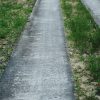
- Adding landscape fabric to help block weeds and separate soil and gravel
Edging is another key piece. It keeps gravel in place and gives your path a clean look. Some common edging choices include:
- Metal edging for thin, clean lines that suit modern homes
- Concrete curbing for a solid, permanent border
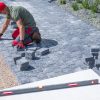
- Paver borders for a classic look that ties into patios or driveways
- Natural stone for a more relaxed, organic feel
To keep upkeep low, choose angular gravel that interlocks, design slight slopes so water moves away from buildings, and avoid tiny, loose stones right by doors or on top of turf where they can get kicked around.
Pairing Gravel Pathways with Plants and Hardscape
Gravel paths really shine when they frame the right plants. In dry climate yards, drought-tolerant choices tend to look great next to stone. Think about:
- Succulents and cacti for bold shapes
- Native grasses for movement and texture
- Mediterranean shrubs like rosemary or lavender for scent and color
- Low, spreading groundcovers that soften hard edges
Hardscape pieces can break up long runs of gravel and add comfort where you stop and stand. You might use:
- Paver pads at gates, hose areas, or trash storage
- Stepping stones set into gravel to mark special spots
- Boulders or stone borders to give height and structure
Spring is a smart time to plan these layouts. You can match mulch and bed lines to your new paths, choose gravels that look good with both fresh green growth and drier late-season tones, and think ahead about how planting beds will fill in over time.
Small touches like low outdoor lights, solar markers, or simple lanterns along the path make a big impact. They guide your steps after dark and turn even a basic walkway into a space you enjoy using on warm evenings.
Simple Installation Steps for DIY-friendly Paths
Gravel paths are one of the more approachable outdoor upgrades, but the details still matter. A typical installation usually includes:
- Planning and marking the route with paint or a garden hose
- Excavating soil to allow for base rock and gravel depth
- Installing and compacting base rock in thin layers
- Laying landscape fabric over the base
- Setting edging along both sides
- Spreading and compacting the gravel layer on top
In dry climates, lightly dampening the base and gravel can help them compact more tightly. Many people prefer to work in the cooler morning or evening hours, especially when moving bulk materials.
A few simple safety steps go a long way:
- Wear a dust mask and eye protection around dry soil and rock
- Use gloves to protect your hands from sharp pieces
- Move materials with a wheelbarrow or garden cart instead of lifting heavy loads
If you feel unsure about grading, drainage, or layout, it can be helpful to partner with a contractor. Professional support on the design and prep work, combined with quality gravel and hardscape materials from Mr. Pavers, can give you solid, long-lasting gravel garden pathways that fit your yard and your daily routines.
Get Started With Your Project Today
Bring your outdoor vision to life with our expertly designed gravel garden pathways that balance beauty, function, and long-lasting performance. At Mr. Pavers, we help you choose the right materials and layout so your new path feels natural and inviting. If you are ready to discuss ideas or have questions about your space, contact us and we will guide you through the next steps.