Concrete Garden Bed Borders: Straight vs. Curved, Caps, Color, and Lighting
Clean Concrete Borders That Make Plants Pop
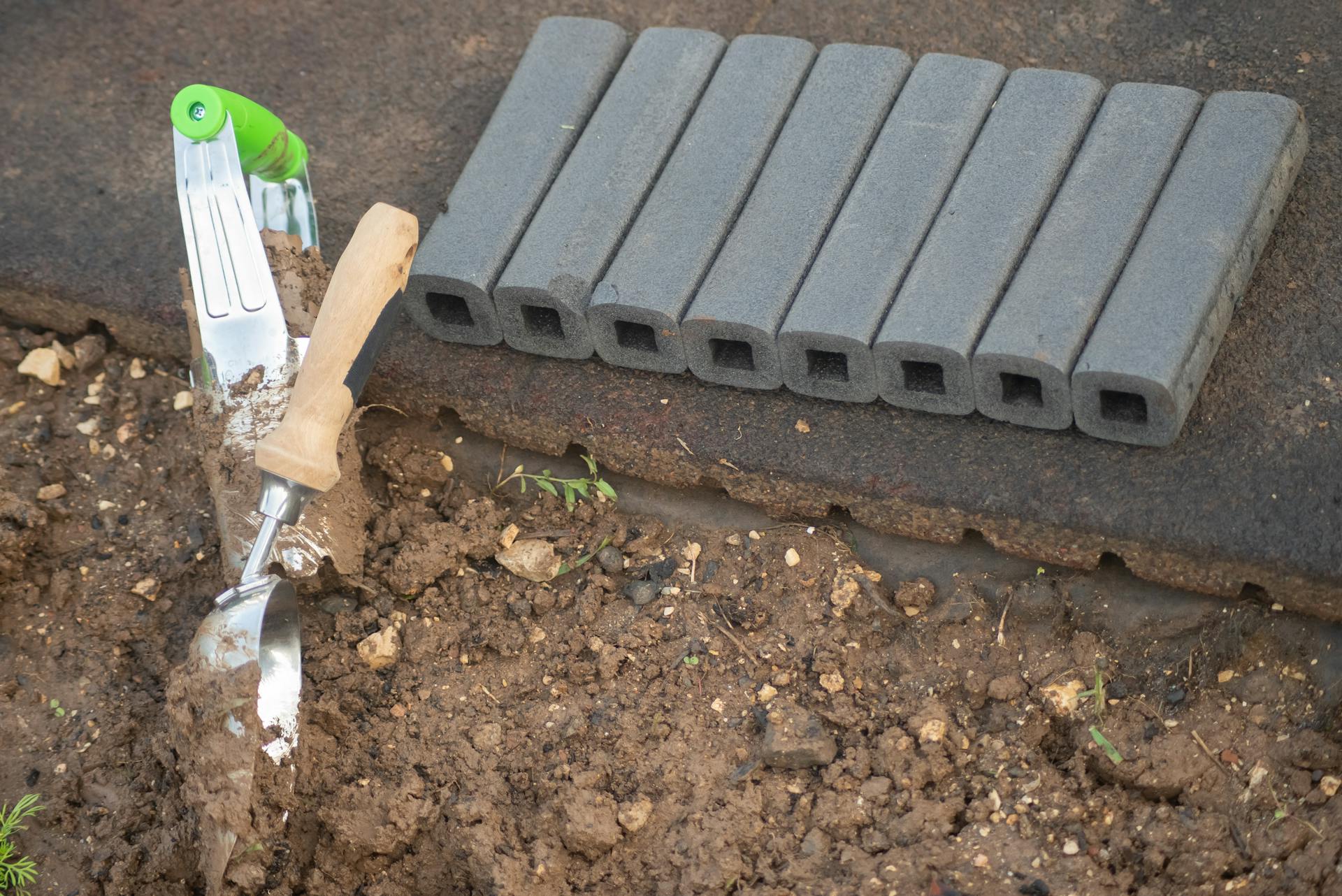
Clean concrete borders can make a garden bed look finished in a way nothing else can. Messy soil spilling into the lawn or mulch sliding onto the path makes even healthy plants feel a bit lost. When you frame those same plants with crisp concrete garden blocks, every leaf and flower suddenly looks intentional and cared for.
Well-planned borders create clear lines around raised beds, veggie patches, and flower areas. The plants become the star, while the concrete quietly does the job of holding shape and guiding the eye. With the right layout, caps, colors, and lighting, you get a modern, organized yard that still feels welcoming and green.
We see three big design choices making the biggest impact: straight or curved layouts, the cap style you pick, and finishing details like stain and low-voltage lighting. When these work together, your garden beds look clean in daylight and glow softly at night. Around the Los Angeles area, concrete garden blocks are a simple way to keep outdoor spaces looking sharp all year.
Straight vs. Curved Borders Around Garden Beds
Straight borders are all about structure and simplicity. They give a neat, architectural look that pairs well with contemporary homes, decks, and turf.
Straight borders are great when you want:
- Raised veggie beds in simple rectangles
- Clear edges along a driveway or side yard
- Quick measuring with a tape, level, and string line
These straight runs help organize gravel paths, mulch zones, and multiple beds so the whole yard feels planned instead of patched together. Lines that echo the house or patio also make the space feel bigger and calmer.
Curved layouts go in the opposite direction. They feel softer and more relaxed, like they grew along with the plants. Curves work especially well around trees, mixed flower beds, or winding garden paths.
For curves, many people:
- Lay out a garden hose to test different shapes
- Use marking paint on the soil before any digging
- Keep curves gentle for a smooth, flowing look
Curved edges are handy when you want to soften a long fence line or a tall wall. They break up hard geometry and can guide guests toward a sitting area or a focal plant without feeling stiff.
You are not stuck picking only one style. Mixing straight and curved sections is often where the design starts to feel custom. Near the house, straight lines usually make sense. As you move away from the patio and into the yard, those borders can slowly bend and arc.
Short angled sections or wide, sweeping turns can help the eye glide from a square concrete patio to a rounded flower bed. The goal is easy flow, not sharp changes that feel random.
Choosing Cap Styles for a Finished, Custom Look
Cap style is one of those details people notice even if they do not know why. It is the part you touch, sit on, and see at eye level, so it deserves some thought.
Flat caps are perfect if you like a clean, modern yard. They create straight, tight lines that look great with:
- Minimal planting schemes
- Modern turf and gravel areas
- Simple outdoor furniture and planters
Flat caps are easier to wipe clean and feel secure under lanterns, planters, or small decor. They also give you a comfortable surface to sit on while you check plants or tie up tomatoes. When paired with smooth-faced concrete garden blocks, the whole border reads as sleek and current.
Bullnose and rounded caps shift the mood. Their softer front edge makes borders more comfortable and friendly, especially in areas where people sit or kids explore.
Rounded caps can be a smart pick if you want:
- A relaxed, Mediterranean or cottage feel
- Softer edges near play zones
- A kinder edge to lean or kneel on when you garden
They work well with textured or tumbled concrete blocks, where the faces look a bit more like natural stone instead of super crisp shapes.
You can also mix heights and profiles for more interest along long runs. Slight changes, like a slightly taller section at a corner or near a feature plant, add rhythm without feeling busy. Cap choice also affects how light hits the border, how water sheds away from the bed, and how stain or color will show. It is worth comparing a few samples next to your home’s stucco, siding, and existing pavers before deciding.
Color, Stain, and Texture Choices That Stay Clean Looking
Concrete garden blocks do not have to shout to look good. Natural gray and soft neutrals are popular because they hide dust, pollen, and normal garden dirt, which is helpful in long, dry stretches.
Cool gray tones often pair well with:
- Metal railings or furniture
- Glass railings or modern windows
- Synthetic turf and steel accents
Warmer beige or tan tones tend to click with stucco, clay roof tiles, and more traditional planting styles. Keeping tones in the same family as your patio pavers, gravel, and stone makes everything feel like one connected design instead of a mix of parts.
For deeper color, there are two main ideas: integral color and stain. Integral color is blended through the mix so the tone goes all the way through the concrete. Stains are applied to the surface, adding layers and variation that can mimic stone and help small scuffs, water marks, or soil splash marks blend in.
When you choose stains or colored products, it is smart to look for options designed for outdoor use and strong sun exposure. Garden borders sit in full light, with irrigation, hose water, and plant debris, so you want finishes that age gracefully instead of fading unevenly.
Texture is the last piece of the clean look puzzle. Smooth faces feel very modern, but they can show dirt and streaks faster. Light texture creates shadows that hide dust and small chips, and it adds grip where you step near the edge.
Many people like:
- Textured faces on the visible side of the border
- Slightly smoother caps where they sit or place decor
- A mix of subtle textures instead of one flat, shiny surface
Seeing real samples in daylight is the best way to judge how color and texture will work in your space before committing to a full project.
Integrating Lighting for Nighttime Garden Drama
If you want your borders to look as good at night as during the day, lighting needs to be part of the plan from the start. It is much easier to tuck in low-voltage wires and plan transformer locations before the concrete garden blocks and caps are fully set.
Common lighting options around borders include:
- Under-cap LED strips that shine down the face
- Small recessed lights in select blocks
- Stake lights placed just outside the border line
Low-voltage systems are friendly for many homeowners and can often be expanded, so you can start with a few key areas and add more as the garden grows.
Good lighting does more than look pretty. Under-cap lighting can outline paths and raised beds, helping people see level changes and edges after dark. A few focused lights can highlight a special tree, a sculptural plant, or a favorite group of flowers, turning daytime stars into nighttime features too.
To keep the look clean instead of cluttered, it helps to keep light levels warm and gentle. Bright, harsh light can bounce off concrete and wash out the plants. Consistent fixture styles and even spacing make borders feel thoughtful instead of random.
Many people like using timers or smart controls so the yard shifts from evening accent mode into a more subtle late-night setting automatically. That way the garden looks cared for without anyone having to flip switches every night.
Turn Your Border Ideas Into a Ready-to-Build Plan
The best time to plan your concrete borders is when your plants are full and active. Taking a slow walk around your yard in late spring or summer lets you see where straight lines would frame beds cleanly and where curves might feel more natural. Notice how you move through the space and where a defined edge could help.
A simple sketch can go a long way. Draw your garden beds, paths, and patios, then mark where you want straight or curved borders. Add notes for:
- Cap style on each section
- Color or stain ideas
- Texture preferences
- Possible lighting locations
When you are ready to move from ideas to materials, it helps to bring measurements, photos, and a few inspiration images. That makes it easier for hardscape suppliers, like our team at Mr. Pavers in the Los Angeles area, to suggest the right concrete garden blocks, cap styles, complementary gravel or stone, and lighting components so your finished borders look clean, cohesive, and ready for long days and evenings outdoors.
Get Started With Your Project Today
Transform your outdoor space with durable, stylish concrete garden blocks that are built to last. At Mr. Pavers, we help you choose the right materials so your garden borders, raised beds, and pathways come together smoothly. If you have questions or need a custom recommendation, simply contact us and we will guide you through every step of your project.