Choosing Garden Bed Materials That Survive Los Angeles Heat
Keep Your Garden Beds Thriving in LA Heat
Hot, dry summers around Los Angeles are rough on gardens. Plants wilt, soil dries out fast, and many common garden bed materials start to crack, fade, or fall apart in the sun. If your beds are not built for heat, you end up fighting dried-out soil and stressed plants all season long.
Choosing the right garden bed materials helps your soil hold moisture, keeps roots cooler, and keeps the structure of your beds solid year after year. When materials work with the climate instead of against it, your plants get a calmer, more stable home. As a local hardscape supplier, we work with homeowners and contractors every day who are building beds that can handle Southern California sun, and we see what holds up best in real yards.
What Los Angeles Heat Does to Garden Bed Materials
Los Angeles heat is not just about high temperatures. It is bright sun, long days, low humidity, and watering that often comes in short bursts. All of that hits your garden bed materials at once.
Here is what that can do to common materials:
- Wood dries, shrinks, and can warp or crack
- Plastics soften, bend, or turn brittle over time
- Dark materials soak up heat and pass it into the soil
- Paint and stain fade, peel, or blister in strong sun
When heat and low humidity mix, wood can pull moisture out of the soil right at the edges, leaving dry bands where plants struggle. Plastics and some composites expand during the day and contract at night, which can:
- Loosen screws or fasteners
- Open up gaps where soil leaks out
- Tilt or bow the sides of the bed
Inside the bed, heat-stressed walls can turn soil into a hot box. The surface bakes, water evaporates faster, and roots are pushed deeper than they should need to go. Over time, that can mean compacted, crusty soil on top and weaker plants that need constant attention just to hang on.
Comparing Popular Garden Bed Materials in Hot Climates
Not every material handles Los Angeles heat the same way. Here is a simple look at how the main options behave.
Wood options
Pressure-treated wood, cedar, and redwood are common choices.
- Pressure-treated: More resistant to rot, but can still warp or crack in direct sun if it dries too fast
- Cedar: Naturally more resistant to rot, holds up fairly well, but can fade and dry out at the corners
- Redwood: Similar to cedar, with good durability, but still a wood product that moves with heat and moisture
In LA yards, even the best wood needs ongoing care to stay straight and safe.
Masonry and stone
Concrete blocks, natural stone, and pavers are tougher in hot climates.
- They do not warp, rot, or peel
- They store some daytime warmth and release it slowly at night
- They create strong, permanent edges that keep soil in place
The key is pairing them with good soil and mulch so the beds do not turn into heat sinks.
Metal and composite
Galvanized steel and corten-style edging are very popular right now, along with composite boards.
- Metal: Very durable, but metal can get hot in full sun and may heat the soil at the very edges
- Composite: Resists rot and insects, but in strong heat it can still expand, bow, or fade
These materials can work, but they need careful design so roots are not sitting next to very hot surfaces.
Plastics and recycled materials
Plastic boards and recycled kits are light and easy to handle, which many people like.
Pros:
- Lightweight and simple to assemble
- Often modular and easy to move
Cons in LA heat:
- Prone to warping and sagging
- UV light can make them brittle over time
- Color fading is common in strong sun
Best Heat-Resistant Materials for LA Garden Beds
For long-lasting beds in Los Angeles, hardscape-style materials have a big advantage.
Pavers and stone
Using pavers, stone, or block for raised bed walls gives you:
- Solid, steady walls that do not shift every season
- No rotting, splintering, or peeling paint
- A clean, finished look that matches patios and walkways
These materials stand up well to full sun and dry conditions, and help keep your bed shape true year after year.
Gravel and rock mulch around beds
Gravel and decorative rock around and between beds help you manage heat and water:
- Cut down on mud and dust
- Improve drainage after deep watering
- Create cooler walkways that do not turn into sticky soil
Light-colored rock can also reflect some sunlight and keep paths more comfortable.
Mulch choices
On top of the soil, mulch is one of your best tools for fighting heat. Common options include:
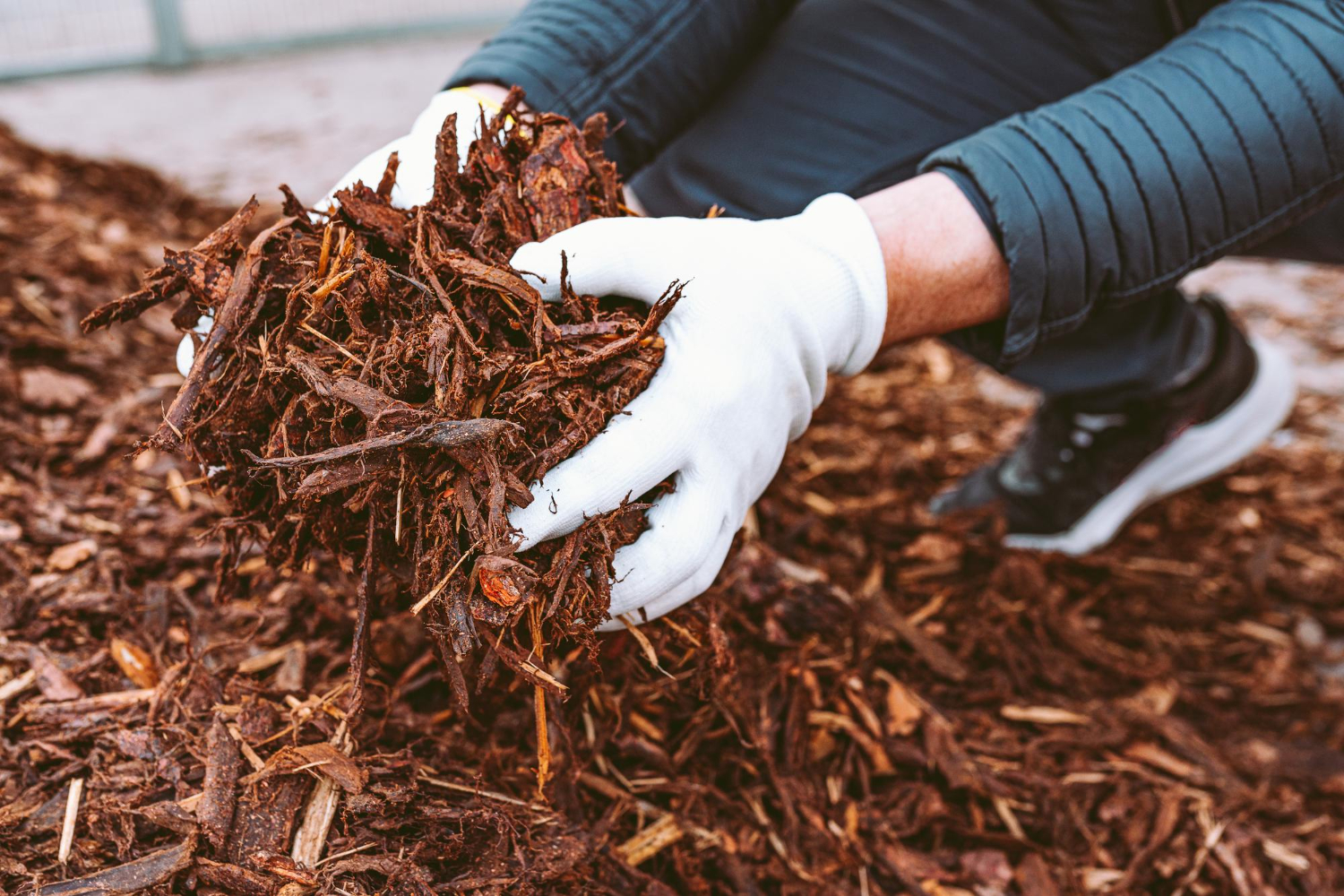
- Bark mulch: Good for moisture retention and soil cooling, breaks down over time
- Wood chips: Similar benefits, with a more rustic look
- Rock mulch: Lasts longer but can hold more surface heat, better for pathways than for areas right around delicate plants
In high-sun gardens, a layer of organic mulch helps shade the soil and keep roots calmer between waterings.
Artificial turf around beds
Artificial turf paths and surrounding areas can work well beside raised beds. They:
- Cut water use compared to natural grass
- Reduce dust and bare soil around planting areas
- Create clean, even access for watering and harvesting
With the right base and edging, turf stays cooler and does not send loose soil into your beds.
Designing Cooler, Longer-Lasting Beds in Summer
Even the best garden bed materials do their job better with smart design.
Depth and shape
For heat protection, many gardeners like beds that are tall enough to hide most of the root zone from the hottest surface layer, but not so wide that you cannot reach the middle from the sides. A comfortable rule is to design beds so you can reach the center without stepping in.
Color and finish
Lighter-colored stone, pavers, and gravel reflect more sun than dark ones. This can help:
- Keep surfaces cooler to the touch
- Reduce how much heat radiates into nearby plants
- Make your space feel brighter and more open
Drainage and soil
Strong walls do not help much if the soil inside turns into a hard, baked block. Pair your bed materials with soil that:
- Drains well but still holds some moisture
- Has compost mixed in to keep it loose and rich
- Is deep enough for roots to escape hot surface layers
Strategic placement
When you can, orient beds so the long sides do not take full afternoon sun head-on. Use fences, walls, or taller plants to give a bit of shade during the hottest part of the day without blocking all the light. That small shift can drop soil temperatures and stress levels for your plants.
Seasonal Tips for Summer-Ready Garden Bed Materials
A little seasonal care keeps your garden bed materials in good shape for the next round of heat.
Late spring prep
Before the hottest months, it helps to:
- Check stone or paver borders and reset any loose pieces
- Top off mulch so the soil is covered
- Test irrigation or watering patterns around beds
Mid-summer maintenance
In the middle of the season, take a quick look at:
- Pavers or stones that may have shifted with watering
- Soil that is pulling away from the bed edges
- Areas where mulch has thinned or washed away
Adding a bit more gravel or mulch where needed keeps things stable.
Fall adjustments
When the calendar cools down a bit, it is a good time to repair or upgrade:
- Replace any materials that cracked or failed in the sun
- Add new beds or expand existing ones with heat-ready materials
- Adjust paths with gravel or stone so next summer’s watering is easier
Over time, small changes add up to beds that stay strong and keep plants happier through every long LA summer.
Get Started With Your Project Today
Transform your outdoor space with the right foundation by choosing premium garden bed materials tailored to your design and budget. At Mr. Pavers, we help you select durable, attractive options that make installation easier and results longer lasting. If you have questions about quantities, compatibility, or next steps, simply contact us and we will guide you through your project from planning to completion.