Common Gravel Garden Pathway Mistakes in Los Angeles Yards
Stop Wrecking Your Gravel Paths Before They Are Built
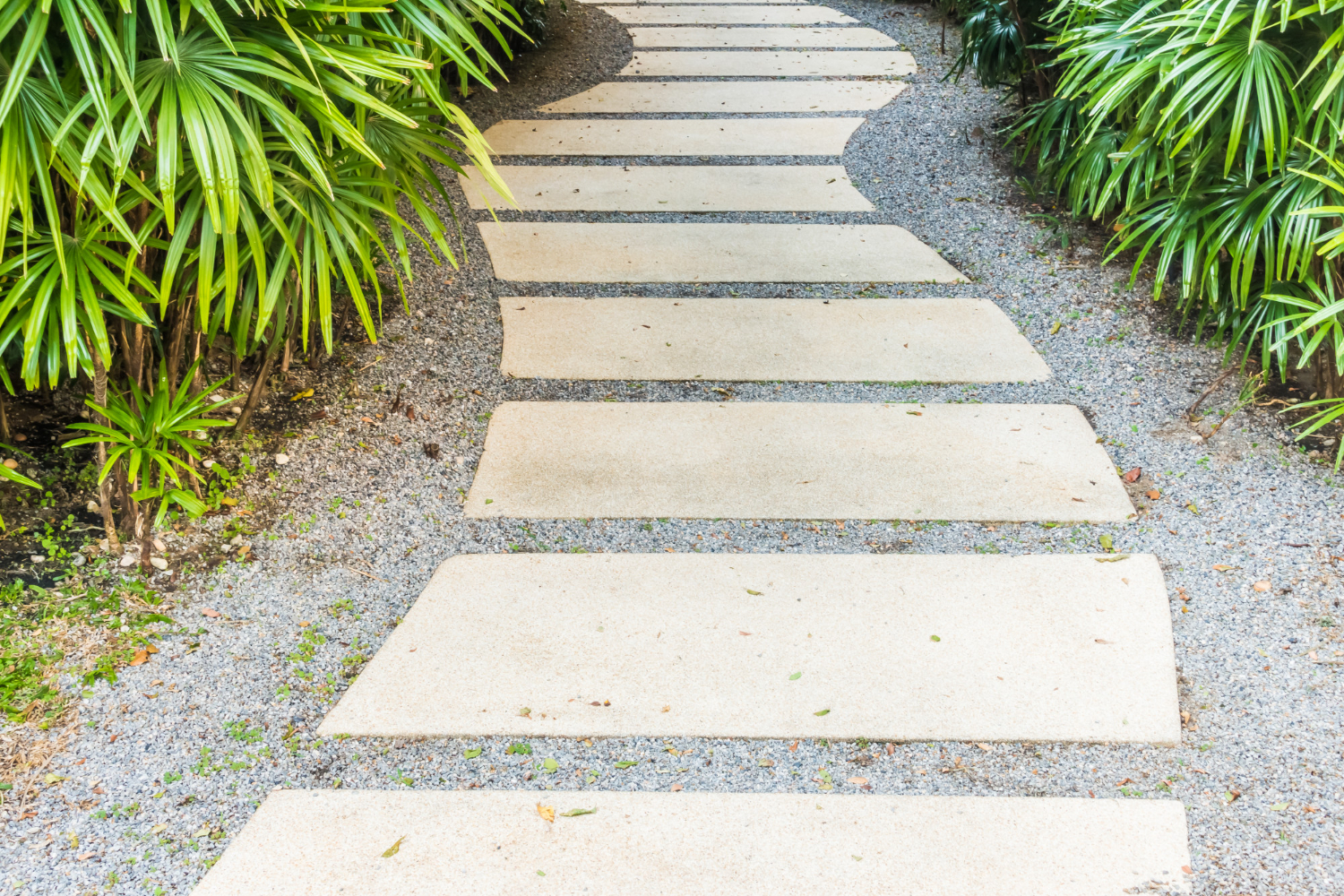
Gravel garden pathways are almost made for Los Angeles yards. They handle dry weather, fit a Mediterranean-style garden, and feel relaxed and natural. But many paths start strong, then turn messy, patchy, or full of weeds in a short time. That is not a gravel problem, it is usually a planning and materials problem.
Here we walk through the common mistakes we see in LA yards and how to avoid them. With the right base, drainage, gravel, and edging, you can build paths that stay cool, comfortable, and low maintenance, even through late summer sun and those rare heavy rainstorms.
We also know many homeowners here like to team up with local pros instead of guessing on materials. That is where we come in. At Mr. Pavers, we stock job-ready gravel, base, edging, and turf products trusted by contractors and DIY homeowners across the Los Angeles area.
Ignoring LA Soil and Drainage Realities
One big path mistake starts below the surface. Many people treat every yard the same and skip looking at their soil.
Around Los Angeles, you often see:
- Clay-heavy soil in hillsides and older neighborhoods
- Hard, compacted soil in urban and infill lots
- Looser, sandier soil closer to the coast
Each type acts differently under gravel garden pathways. Clay tends to trap water. Without a plan, water can sit under the gravel, form puddles, and soften the base. Loose or sandy soil can shift and rut, so the path can feel uneven and thin in spots.
Before building, it helps to:
- Hose down a test area and watch how fast water drains
- Note low spots where puddles form
- Think about where water naturally wants to go
Another common issue is no plan for rainwater control. If a path is flat or sloped toward the house, it can send water straight to foundations, patios, or garden beds that were not meant to drain that way. A better setup usually includes a slight cross-slope so water sheds off the path, shallow swales to collect runoff, or a strip of drainage rock where water can safely soak in.
Sloped LA yards bring their own trouble. On hillsides, loose gravel tends to creep downhill during heavy rain or even regular watering. That is when you may need erosion-control fabric under your base, terraced or stepped paths, and larger angular gravel that locks together better. Skipping this can lead to bare spots at the top of the path and piles of rock at the bottom.
Skimping on the Base and Weed Control
Putting gravel straight on dirt is probably the number one gravel path mistake. It feels quick at first, but then:
- Gravel sinks into the soil
- Mud shows up after a strong rain
- Foot traffic creates ruts and soft pockets
A proper compacted base layer, such as road base or decomposed granite, spreads the load and keeps the gravel on top where it belongs. The base should be leveled and compacted in thin lifts, not just dumped and raked.
Weeds are another headache. With LA’s long sunny days and warm late summers, weed seeds love bare soil and thin fabrics. Skipping a quality weed barrier means weeds can push up through the gravel in a few months. Thin plastic sheets might seem like a quick fix, but they tend to tear, slide, and trap water on top.
Professional-grade woven fabric is usually a better fit because:
- It allows water to drain through
- It blocks most light, which slows weed growth
- It holds up better under base and gravel
Thickness and compaction matter too. A solid path usually has:
- A compacted base layer at a steady depth along the whole route
- A gravel layer deep enough to cover the base but not so deep that feet sink
Using a plate compactor or at least a hand tamper between layers helps lock everything in place. At Mr. Pavers, we stock road base, decomposed granite, and weed fabrics that local contractors rely on in our soil and sun conditions.
Choosing the Wrong Gravel and Edging
Not all gravel is the same, especially for walking paths. Round rock like pea gravel or smooth river rock can look nice, but it can feel unstable and slippery, especially on slopes and curves. It also tends to roll out of place easily.
For gravel garden pathways, angular crushed rock usually works better because the sharp edges grip and lock together. You can still get a clean, modern, or natural look, but with a surface that feels firmer underfoot.
Size matters too. Stones that are too large can hurt bare feet and make it hard to roll a stroller, wheelbarrow, or cart. Very tiny gravel can feel dusty or get stuck in shoe treads. Many people like a medium size for paths, then use larger rock in purely decorative areas.
You can even mix sizes to help the surface settle tighter. For example:
- A stable base layer, like road base or DG
- A top layer of angular gravel in a medium size
- Optional small fines to fill gaps and lock the surface
Strong edging is another detail that gets skipped. Without it, gravel slowly spreads into lawns, planting beds, and driveways. That creates extra cleanup and makes the path shape fade away.
Good edging options include:
- Metal edging for clean, modern lines
- Concrete borders for a sturdy, permanent outline
- Stone or paver borders that tie into patios or steps
Because we work with hardscape materials every day, we can help match gravel color and texture with existing pavers and stone so the path feels like part of the whole yard, not an afterthought.
Overlooking Comfort, Safety, and Local Style
Gravel paths are not just about function. Comfort and style count too, especially in a place with so much outdoor living.
Heat and glare are easy to forget until mid to late summer, when a dark path can feel hot on bare feet and a bright white one can feel harsh on the eyes. Mid-tone gravel in softer, cooler hues often feels more comfortable near seating areas, pool paths, and outdoor dining spots.
Safety and accessibility also matter for kids, older adults, and anyone using mobility aids. Very loose, deep gravel is hard to walk on and even harder to roll across. For a safer, friendlier path, think about:
- A compacted surface instead of loose piles
- Tighter aggregate mixes that knit together
- Clear, raised borders so the edge is easy to see
Style-wise, mismatched gravel can throw off an otherwise nice yard. Quick style tips include:
- Matching gravel tones to roof, trim, or stone accents
- Echoing colors already in your patio, steps, or walls
- Using gentle curves that fit LA’s relaxed indoor-outdoor feel
When the color, size, and layout feel right, your paths look like they belong there, not like they were squeezed in later.
Turn Your Pathway Mistakes Into a Pro-Level Upgrade
Avoiding the classic mistakes with gravel garden pathways, skipping drainage planning, using a weak base, picking the wrong gravel, and leaving out edging, will help your paths stay neat and comfortable through hot summers and those surprise storm days. A little extra care below the surface usually saves a lot of raking, refilling, and weed pulling later.
It can help to walk your existing paths and note problem spots like puddles, weeds pushing through, loose or soft sections, and messy borders. These are signs that something in the base, fabric, slope, or edging is not doing its job. When you are ready to upgrade, we at Mr. Pavers are here with job-ready gravel, base, edging, and fabrics that local pros depend on for Los Angeles yards.
Get Started With Your Project Today
Bring structure, style, and low-maintenance beauty to your yard with custom-designed gravel garden pathways tailored to your space. At Mr. Pavers, we take the time to understand how you use your outdoor areas so your new paths are both practical and inviting. Ready to talk ideas and timeline for your project? Simply contact us and we will help you plan the next steps.