Questioning Garden Stepping Stone Layouts for Everyday Use
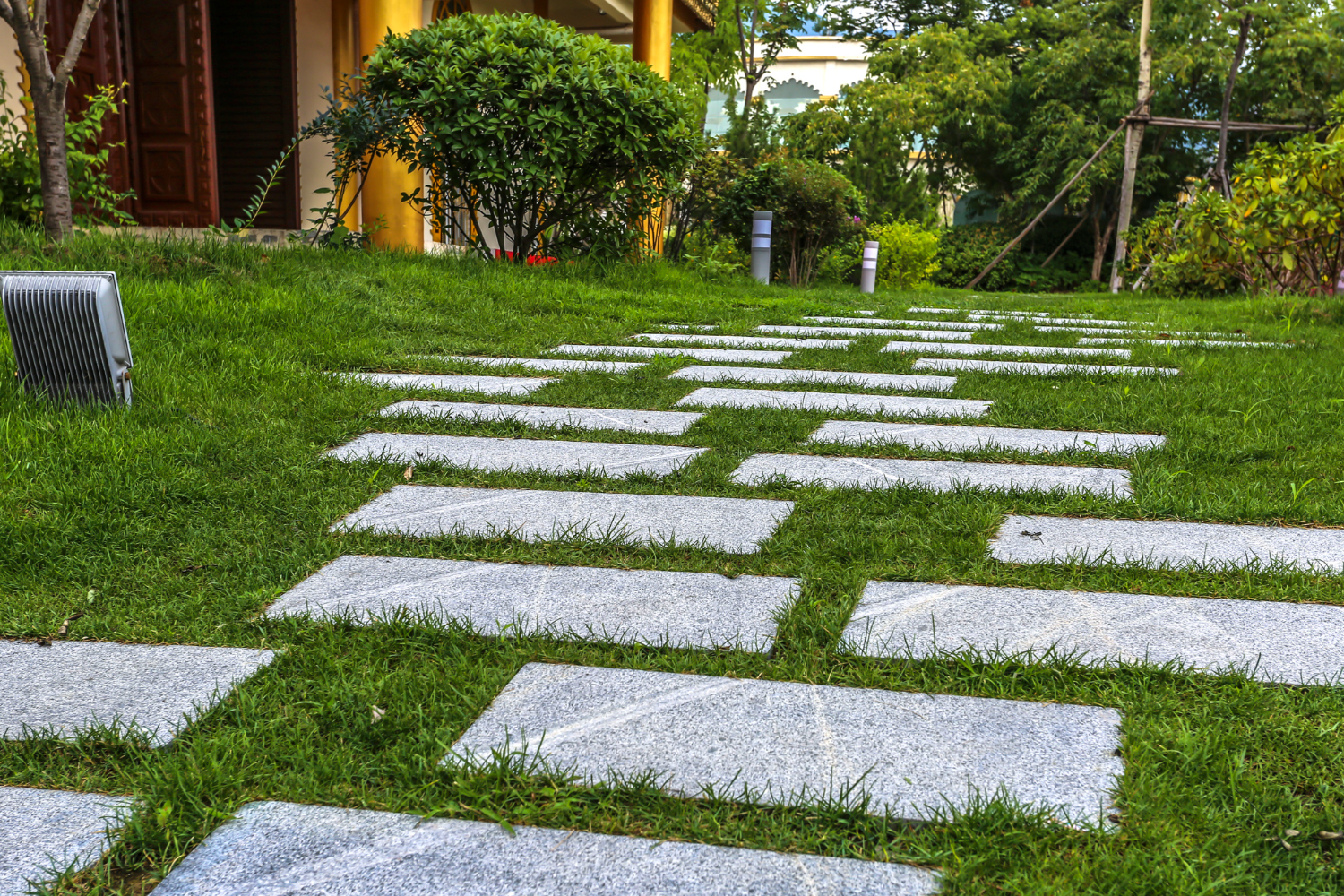
Rethink Garden Stepping Stones for Real-Life Use
Most garden stepping stone layouts look cute in photos but feel pretty awkward in real life. The stones are too far apart, too small, or too wobbly for things you actually do every day, like hauling trash cans, walking the dog, or carrying a load of groceries from the driveway. If the path does not match how you really move, it quickly becomes something you avoid instead of something you enjoy.
Here in the Los Angeles area, late summer is a big time for finishing outdoor projects before fall parties, back-to-school routines, and early-season rains. This is the perfect moment to question old habits and think about how stepping stone placement, spacing, and material choice can support real life, not just pretty pictures. We want to help you create garden paths that feel good underfoot, look clean and simple, and stand up to everyday use.
How You Actually Walk Through Your Garden
Before choosing a single garden stepping stone, it helps to notice how your yard is really used. Most people already have clear routes without realizing it, just from daily habits.
Watch these common paths for a few days:
- Garage or driveway to front door
- Driveway to side yard and trash cans
- Back door to patio, grill, and seating area
- Patio to lawn, play area, or pool
- Doors that pets use most often
Everyday loads change what a path needs to handle. A narrow line of stones might feel fine when you are empty-handed, but not when you are:
- Carrying grocery bags or a heavy box
- Pushing a wheelbarrow or garden cart
- Moving planters or outdoor furniture
- Dragging trash and recycling cans
In late summer and early fall, many yards turn into social spaces, with barbecues, outdoor movie nights, and small gatherings. You want guests to walk without stepping in wet spots, uneven dirt, or loose gravel. Good paths also matter for pre-rain cleanups when you are trimming plants, clearing gutters, and moving tools around.
Do not forget the quiet problem areas that see a lot of use but rarely get planned:
- Narrow side yards where hoses and meters live
- Hose bib zones that get soggy from watering
- The gap between driveway and front door or side gate
These are often the spots that turn into mud, dust, or worn-out grass. They are also where smarter stepping stone layouts make the biggest difference.
Smart Sizing and Spacing for Comfort and Safety
Many garden stepping stone paths feel awkward because the stones do not match a natural stride. Adult steps are usually longer than what you see in tiny decorative layouts. Children, on the other hand, need closer spacing so they are not forced into big stretches.
As a simple rule of thumb:
- Main paths should feel natural for adults walking at a relaxed pace
- Family paths should consider kids, so stones are closer together
- Mixed-use areas, like near patios, should allow for short and long strides
If spacing jumps around, you get that strange shuffle where one step is long, the next is short, and your body has to keep adjusting. That is when people trip, especially in low light.
Stone size and shape also change how safe and comfortable a path feels:
- Small rounds can look cute but may feel tippy and tight underfoot
- Large rectangular pavers usually feel more solid for rolling carts and trash cans
- Irregular flagstone works well when pieces are large and set with firm joints
Surface texture matters a lot, especially when irrigation runs or light rain hits. Very smooth stone, polished concrete, or glassy tile can get slick. Lightly textured pavers or stones usually give better grip for daily walking and for bare feet near pools or lawns.
Elevation is another big point. If stones sit too high, they catch toes and mower wheels. Too low, and they collect water and dirt. Setting stones level with the surrounding grade, on a proper base of compacted material and sand, helps them stay even over time. Dropping stones straight into soil often leads to rockers, sinkers, and trip spots as the ground settles.
Matching Path Materials to Garden Zones
Not every path in your yard needs the same material. It helps to think in zones.
Primary paths are the ones you use all the time, like:
- Driveway to front door
- Front door to side gate
- Back door to main patio or outdoor kitchen
These usually need solid, stable surfaces like pavers or large, firmly set stepping stones with compacted base. They should be wide enough for two people to pass or for one person to walk comfortably with bags or gear.
Secondary paths may only get used once in a while, such as routes to:
- Back fence or storage area
- Utility zones or compost bins
- Less-used side yards
Here you can mix materials, like decomposed granite with stepping stones, gravel bands, mulch, or even artificial turf, as long as you keep access clean and not muddy.
Each material has tradeoffs:
- Pavers: very stable, clean edges, good for high-traffic areas
- Natural stone: organic look, works well in gardens when well supported
- Decomposed granite: flexible lines, pairs nicely with stepping stones
- Gravel: drains well, but can scatter into lawns or beds
- Mulch: soft and natural, better for very light traffic
- Artificial turf: no mud, comfortable for kids and pets
Los Angeles sun can bleach some surfaces and heat up darker colors, while irrigation overspray can feed weeds in joints. Choosing the right joint filler, spacing, and material mix keeps paths comfortable for bare feet and easier to keep tidy. Matching or coordinating your stepping stones with patios, pool decks, or walls helps avoid that random mix of materials that never quite looks finished.
Designing for Kids, Pets, and Aging in Place
If kids use your yard, narrow, wobbly stone lines are just asking for scraped knees. Family-friendly layouts usually mean:
- Wider paths where kids run and ride scooters
- Closer stone spacing near play zones
- Smooth transitions between lawn, patio, and stepping stones
Pets create their own trails along fences and between doors. Those routes often become dusty, muddy, or worn down. Setting sturdy stepping stones or pavers along those lines can:
- Cut down on muddy paws
- Make cleanup easier
- Help prevent digging in favorite corners
It is also smart to think ahead about accessibility. Flatter surfaces with fewer gaps work better for aging homeowners, visiting grandparents, strollers, and rolling carts. Slip-resistant textures, clear edges, and steady joints make paths feel safe without looking like a ramped walkway.
Lighting and visibility finish the picture. Low path lights, small LED spots aimed at step edges, and gentle contrast between materials help people see where to step at night. For seasonal gatherings, this matters even more, since guests are not used to your yard and may not expect sudden gaps or height changes.
Common Stepping Stone Mistakes to Avoid This Season
Many garden stepping stone layouts look charming on day one but become annoying fast. Common trouble spots include:
- Stones spaced too far apart for a natural stride
- Tiny stones used as main paths
- Paths that dead-end or lead nowhere people actually go
Ignoring drainage can create slippery or soggy conditions. Stepping stones that sit in low spots may trap water or send runoff toward your house. In a place that gets bursts of rain, even if not often, that can mean muddy shoes at the worst time.
Another big mistake is skimping on base preparation. When stones are laid on loose soil:
- They rock underfoot
- They sink or tilt after watering or light rain
- Weeds find every gap and crack
Over time, leaf litter, soil, and mulch creep onto stones and make them slick or messy. Simple borders or edge restraints, plus a smart choice of joint material, keep everything in place so you are not constantly sweeping and resetting stones.
Plan Your Next Step with a Walkable Garden Layout
A quick self-audit can show where your yard needs help. Walk your normal routes from driveway to front door, from back door to patio, and from patio to trash cans or side gates. Notice where you step in dirt, hit a wobbly stone, or cut across lawn because the path is in the wrong place. Mark those spots mentally or with small flags to see the real pattern.
Late summer in Los Angeles is a practical time to rethink paths. The ground is usually dry and workable, and there is still time to finish projects before fall events and early rains. From there, you can sketch simple path lines, think about how wide they should be, and decide where solid pavers, garden stepping stones, gravel, mulch, or artificial turf make the most sense for daily living. When you are ready to turn that plan into real materials, Mr. Pavers is here as a local resource for job-ready pavers, stone, gravel, mulch, and artificial turf, for both DIY projects and contractor jobs that need to support real, everyday use.
Get Started With Your Project Today
Transform your outdoor space with a custom pathway that reflects your style and fits your garden perfectly. Explore our curated garden stepping stone options to find the right textures, colors, and shapes for your design. At Mr. Pavers, we guide you through every step, from selection to installation planning. If you have questions or need personalized recommendations, contact us and we will help you move your project forward.